Nature’s Engineers: The Most Extravagant and Ingenious Animal Adaptations for Survival
Explore Extravagant Animal Adaptations that reveal nature's clever survival tactics, unlocking secrets of evolution's most fascinating engineers.
Frisson is the scientific term for goosebumps caused by music, triggered when the brain activates both reward and fear centers, creating a thrilling yet enjoyable sensation.
Have you ever noticed how some creatures survive against all odds thanks to their Extravagant Animal Adaptations? These fascinating traits tell stories of nature’s inventiveness and endless wonder. Join me as we unravel these incredible survival secrets together.
The art of camouflage: blending into the environment
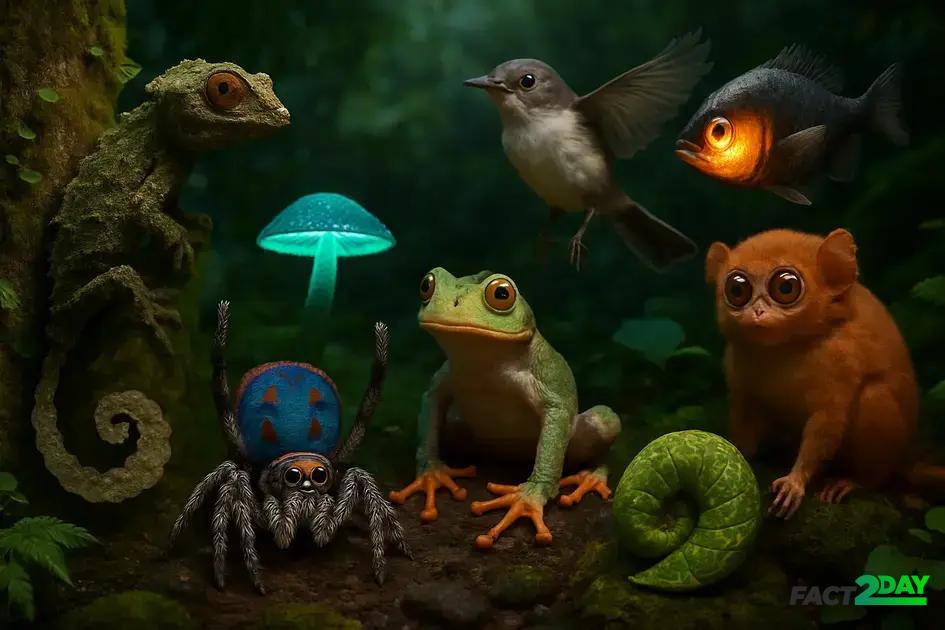
Camouflage is one of nature’s most fascinating survival techniques, allowing animals to blend seamlessly into their surroundings. This art of camouflage helps them avoid predators and sneak up on prey. Many animals use patterns, colors, and textures that mimic the environment, such as leaves, bark, or sand. For example, the peppered moth changes its coloration to match industrial surroundings, while the leaf-tailed gecko mimics tree bark perfectly.
Techniques of Camouflage
Animals employ various methods like background matching, disruptive coloration, and counter-shading. Background matching lets an animal’s colors closely resemble their environment. Disruptive coloration breaks up the body outline with bold patterns, confusing predators. Counter-shading involves lighter bellies and darker backs, reducing shadows and the animal’s visual profile.
Why Camouflage Matters
Besides protection, camouflage helps in hunting. Predators can approach prey unnoticed, increasing their chances of success. Some animals also use dynamic camouflage, changing their appearance in seconds, like cuttlefish and chameleons. This ability to blend in contributes significantly to an animal’s survival and evolutionary success.
Mimicry in the animal kingdom: copying for protection
Mimicry is a remarkable adaptation where one species evolves to imitate the appearance, sounds, or behaviors of another species. This clever strategy helps animals avoid predators by closely resembling dangerous or unpalatable creatures. For example, the harmless king snake mimics the venomous coral snake’s bright colors, deterring potential threats.
Types of Mimicry
Batesian mimicry occurs when a harmless species imitates a harmful one to gain protection. On the other hand, Müllerian mimicry happens when two or more harmful species resemble each other, reinforcing the avoidance behavior in predators.
The Role of Mimicry in Survival
Mimicry improves survival rates by reducing attacks from predators who mistake the mimic for a more dangerous organism. Some insects mimic leaves or twigs not only for camouflage but also to resemble species that are avoided by predators due to their taste or toxicity.
Extraordinary sensory adaptations for survival
Animals have developed extraordinary sensory adaptations that help them survive in diverse environments. Some species perceive things beyond human senses, giving them an edge in hunting, avoiding predators, or navigating complex habitats. For example, bats use echolocation to locate prey in complete darkness by emitting sound waves and interpreting the echoes.
Specialized Sensory Systems
Many animals have enhanced senses like ultraviolet vision, infrared detection, or an acute sense of smell. Pit vipers can detect the heat of warm-blooded prey through infrared-sensitive pits on their faces. Similarly, bees see ultraviolet patterns on flowers that guide them to nectar.
Beyond the Five Senses
Some creatures sense electric fields or vibrations. Sharks can detect the electric fields produced by other animals, helping them locate hidden prey. Elephants pick up low-frequency sounds through the ground, communicating over long distances.
Unusual defensive mechanisms against predators
Many animals have developed unusual defensive mechanisms to protect themselves from predators. These adaptations can be physical, chemical, or behavioral, often surprising in their creativity and effectiveness. For example, the bombardier beetle ejects a hot chemical spray from its abdomen to deter attackers.
Physical Defenses
Some animals use spines, shells, or tough skin to shield themselves. Porcupines have sharp quills that can injure predators, while turtles retreat into their hard shells for safety. Other animals like the pufferfish inflate their bodies to appear larger and more threatening.
Chemical and Behavioral Defenses
Chemical defenses include toxins and unpleasant smells. Skunks spray a foul-smelling liquid to ward off threats. Certain caterpillars display warning colors to signal they are toxic. Behaviorally, some animals play dead, like opossums, to avoid being eaten, fooling predators into losing interest.
These defensive strategies showcase nature’s innovation in survival tactics, combining physical traits and clever behaviors to stay safe in a dangerous world.
The role of bioluminescence in communication and defense
Bioluminescence is a fascinating adaptation where animals produce light through chemical reactions. This glowing ability serves multiple purposes, especially in communication and defense. In the deep ocean, where sunlight can’t reach, many creatures rely on bioluminescence to find mates or warn predators.
Communication through light
Many species use bioluminescence to send signals. Fireflies flash specific patterns to attract mates, while some squid communicate with light flashes to coordinate movements or warn others of danger. This light-based messaging is crucial in dark environments.
Defense mechanisms involving bioluminescence
Some animals use bioluminescence to startle or confuse predators. The deep-sea shrimp, for example, ejects a glowing cloud to distract attackers and escape. Others, like the lantern fish, use light to blend with the faint surface light, hiding their silhouette from predators below.
Structural adaptations: from shells to exoskeletons
Structural adaptations provide animals with physical protection and support, enhancing their chances of survival. These adaptations include shells, exoskeletons, and other hard body parts that shield animals from predators and harsh environments. For instance, turtles have strong shells that act as mobile armor, protecting their soft bodies from attacks.
Exoskeletons in insects and crustaceans
Many insects and crustaceans possess exoskeletons, external skeletons made of tough materials like chitin. This hard covering supports their bodies and prevents water loss. Crabs, for example, use their exoskeletons as protection and must molt to grow.
Other structural defenses
Some animals develop spines or thick hides for defense. Porcupines have sharp quills, while armadillos are covered with bony plates. These features make them difficult or painful for predators to attack, increasing their survival chances.
Behavioral adaptations: strategies beyond the physical
Behavioral adaptations are actions animals take that help them survive in their environment. These strategies go beyond physical traits and involve changing behaviors to avoid danger, find food, or raise young. Migration is a common example, where birds travel long distances to find better living conditions.
Examples of survival behaviors
Many animals use clever behaviors for protection and hunting. Meerkats take turns acting as lookouts to warn the group of predators. Some fish swim in schools to confuse attackers. Hunting in packs, like wolves do, improves the chance of capturing prey.
Learning and imitation
Many species learn behaviors from parents or peers. Young elephants follow the herd and learn routes to water. Chimps use tools like sticks to fish for termites, showing how behavior can adapt to solve problems. These behaviors increase survival without changing the body.
Specialized feeding adaptations for unique diets
Animals have evolved specialized feeding adaptations to survive on unique diets found in their environments. These adaptations allow them to access food sources others cannot reach or digest. For instance, woodpeckers have strong, chisel-like beaks to drill into trees and feed on insects hiding beneath the bark.
Beak and mouth adaptations
Birds show great variety in beak shapes, each suited for their diet. Hummingbirds have long, slender beaks to sip nectar, while eagles have sharp, hooked beaks to tear flesh. Similarly, some fish have specialized jaws and teeth for catching specific prey.
Digestive innovations
Some animals have developed unique digestive systems or enzymes. Cows, for example, have multiple stomach chambers to break down tough plant fibers. Termites rely on gut bacteria to digest wood. These adaptations allow animals to utilize resources that are hard to digest or scarce.
Extreme environmental adaptations: thriving in harsh conditions
Some animals have evolved to survive and thrive in the most extreme environments on Earth. These extreme environmental adaptations enable them to endure harsh conditions like intense heat, freezing cold, or high salinity. For example, the camel stores fat in its hump to survive long periods without water in deserts.
Adaptations to heat and dryness
Animals living in deserts have special traits to conserve water and regulate body temperature. Kangaroo rats rarely drink water, getting moisture from seeds. Many desert reptiles are active at night to avoid daytime heat, using behavioral adaptations to survive.
Survival in freezing environments
In cold habitats, animals develop thick fur, fat layers, or antifreeze proteins. Polar bears have dense fur and a thick fat layer to insulate against Arctic cold. Antarctic fish produce antifreeze proteins to prevent ice crystals from forming in their blood.
Living in salty or toxic habitats
Certain species thrive in salty or toxic environments. Mangrove crabs can filter salt through specialized glands, while some microorganisms survive in acidic hot springs. These adaptations demonstrate nature’s incredible ability to support life in extremes.
Reproductive adaptations that ensure species survival
Reproductive adaptations are crucial for species survival, helping animals pass their genes to the next generation. These adaptations range from unique mating behaviors to physical traits that increase reproductive success. For example, seahorses showcase an unusual adaptation where males carry and give birth to the young.
Mating strategies
Animals use diverse strategies to attract mates and ensure reproduction. Birds often perform elaborate dances or build intricate nests to impress partners. Some frogs use loud calls to signal their presence and strength, while fireflies flash light patterns to attract mates.
Protecting offspring
Many species have evolved ways to protect their young. Crocodiles guard their nests, and some fish create protective bubble nests. Parental care, like feeding and sheltering the young, significantly improves offspring survival rates.
Reproductive timing and cycles
Animals have developed timing mechanisms to optimize reproduction. Seasonal breeders reproduce when conditions favor their offspring’s survival. Some species can pause embryo development until environments are suitable, ensuring better chances for the young.
Social adaptations in animal communities
Many animals have developed social adaptations to thrive within groups and communities. These adaptations help with protection, food gathering, and raising offspring. Living in groups allows animals to share duties and defend against predators more effectively.
Cooperative behaviors
Animals like wolves and lions hunt in packs or prides, using teamwork to catch prey. Meerkats work together by taking turns as sentries, watching for danger while others search for food. This cooperation increases the survival chances of the entire group.
Communication and hierarchy
Social animals use vocal calls, body language, and scent marking to communicate. Establishing hierarchies helps reduce conflicts by defining roles. For example, elephants have matriarchal herds where older females guide the group, ensuring safety and knowledge transfer.
Raising young collectively
Some species practice communal care for their young. In bee colonies, workers collectively care for larvae, maintaining the hive’s health. In primate groups, members often look after infants other than their own, which strengthens social bonds and improves offspring survival.
The evolution of speed and agility as survival tools
Speed and agility are powerful survival tools that many animals have evolved to escape predators and catch prey. These adaptations involve muscle strength, body shape, and nervous system control to move quickly and change direction with precision. Cheetahs are a prime example, capable of reaching speeds over 60 mph in short bursts.
Physical traits for speed
Animals built for speed often have lightweight bodies, long limbs, and flexible spines. Gazelles have powerful leg muscles and slender bodies, allowing them to sprint and leap to evade predators. Similarly, birds like falcons have streamlined bodies and strong wing muscles for fast dives.
Agility and maneuverability
Agility allows animals to make sharp turns and dodge threats. Squirrels use their tails for balance while jumping between branches. Octopuses squeeze through tiny crevices and move quickly in the water, using their flexible bodies to outmaneuver predators.
The mysterious functions of extravagant animal appendages
Many animals feature extravagant appendages that seem puzzling at first but serve important functions for survival and reproduction. These structures often play roles in communication, mating, or defense. For example, the peacock’s colorful tail is used to attract mates during elaborate courtship displays.
Communication and mating displays
Extravagant appendages often help animals communicate visually. Male deer grow large antlers to fight rivals and display dominance. Similarly, the elongated claws of certain crabs signal strength to potential mates or competitors, while colorful fins and crests are used in underwater courtship rituals.
Defense and intimidation
Some appendages intimidate predators or rivals. The frills of frilled lizards flare to appear larger and warn off threats. Horned animals use their horns for defense, while some species sport spiky or sharp protrusions to deter attackers.
Sensory and environmental interaction
Other appendages help animals sense their surroundings or interact with the environment. Elephant trunks are strong and sensitive, assisting in feeding, drinking, and social interaction. Some insects have long antennae to detect chemical signals, vital for navigation and finding mates.
Understanding Extravagant Animal Adaptations
Extravagant animal adaptations reveal nature’s incredible creativity and ingenuity. From structural changes to complex behaviors, these adaptations help animals survive, communicate, and thrive in their environments.
By studying these traits, we gain a deeper appreciation for the diversity of life and the amazing strategies animals use to overcome challenges.
Nature’s engineers continue to inspire us with their remarkable solutions for survival, showing how every feature has a purpose and story behind it.