Bombardier Beetles That Spray Acid to Defend Themselves
Explore explosive beetles and their unique defense mechanism of spraying acid, a fascinating survival tactic in the insect world.
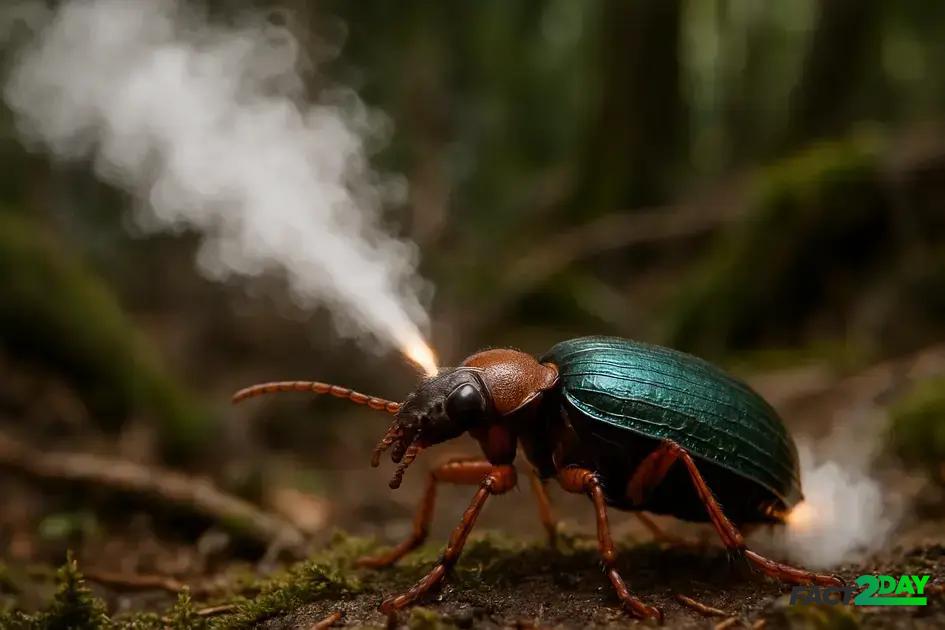
Explosive beetles, especially bombardier beetles, defend themselves by rapidly mixing chemicals in their abdomen to release a hot, toxic acid spray that deters predators with precision and heat near boiling point.
Have you ever encountered the fascinating world of explosive beetles? These remarkable insects use a surprising method to defend themselves by spraying a hot, acidic blast. Let’s uncover the secrets behind this natural wonder and what makes them so extraordinary.
what are explosive beetles and why they matter
Explosive beetles are a unique group of insects known for their remarkable defense strategy. Unlike many other beetles that rely on speed or camouflage, these beetles can literally “explode” a chemical spray to deter predators. This defense mechanism involves a rapid chemical reaction that produces a pulsing, sometimes audible, burst of hot, noxious gas and liquid. Bombardier beetles are among the most well-known members of this group, famous for this explosive discharge.
These beetles matter because they challenge our understanding of natural defense systems. Their ability to mix chemicals safely within their bodies without harm is an incredible biological feat. The explosive spray helps them survive attacks from birds, amphibians, and other insects, making them an important part of ecosystems where such predator-prey interactions occur.
Their role in ecosystems
Besides their fascinating defense, explosive beetles contribute to controlling pest populations by preying on smaller insects. This natural pest control supports biodiversity and the balance of many habitats. Their survival tactics also inspire researchers in fields like chemistry and engineering to develop new ideas for controlled chemical reactions and safety mechanisms.
how bombardier beetles produce their explosive spray
Bombardier beetles produce their explosive spray through a fascinating chemical process inside a specialized chamber in their abdomen. This chamber stores two main chemicals separately: hydroquinones and hydrogen peroxide. When threatened, muscles contract to mix these chemicals in a reaction chamber, triggering a rapid chemical reaction.
The chemical reaction
The hydroquinones react with enzymes called catalases and peroxidases, causing the hydrogen peroxide to break down into oxygen and water. This reaction generates heat and pressure, reaching near-boiling temperatures up to 100°C (212°F). The build-up of gaseous pressure forces the hot, toxic mixture to eject explosively from the beetle’s abdomen through a small nozzle.
Control and accuracy
Interestingly, the beetle can control the direction of the spray by swiveling its abdomen. The bursts are released in rapid pulses, sometimes making a popping sound. This precise control maximizes the spray’s defensive effect while minimizing the beetle’s energy expenditure and self-harm.
This natural chemical mechanism is a brilliant example of biological engineering, showcasing how nature can develop complex solutions for survival using basic chemical principles.
the chemical reaction behind the acid defense
The chemical reaction behind the acid defense of bombardier beetles is a rapid and controlled process that creates a powerful deterrent against predators. Inside a special reaction chamber, two stored chemicals—hydroquinones and hydrogen peroxide—are mixed when the beetle senses danger.
How the reaction works
Enzymes called catalases and peroxidases trigger the decomposition of hydrogen peroxide into oxygen and water. This reaction also oxidizes hydroquinones into benzoquinones, which are toxic and irritating. The process releases a large amount of heat, raising the temperature near boiling point.
Explosive effect and defense
The rapid generation of oxygen gas creates pressure, forcing the hot, noxious mixture out through the beetle’s abdomen in a pulsing spray. This burst can reach temperatures of about 100°C (212°F) and produces a popping sound, startling and driving away predators. The beetle’s ability to aim and time these explosions makes its defense even more effective.
This unique natural reaction demonstrates how living organisms can use complex chemistry for survival, combining heat, pressure, and toxins in a finely-tuned system.
habitats where you can find bombardier beetles
Bombardier beetles are found in a variety of habitats around the world, mainly in temperate and tropical regions. They prefer moist environments where they can find plenty of shelter and food. You are most likely to encounter them in forests, grasslands, and along the edges of streams and rivers.
Common habitats
Forests provide leaf litter, logs, and stones that serve as hiding places. Here, the beetles can hunt for smaller insects while staying protected from predators. Grasslands and meadows offer abundant prey and plant cover. Moist soil and decaying vegetation around water bodies create ideal conditions for breeding and feeding.
Adaptation to environment
These beetles are often nocturnal, emerging at night to avoid daytime predators. Their ability to spray hot acid helps them survive in dense habitats shared with many other insect species. Bombardier beetles can also be found in gardens and agricultural areas where moisture is sufficient.
Understanding their habitats is important to appreciate how they contribute to local ecosystems by controlling pest populations and serving as prey for larger animals.
predators and natural threats to explosive beetles
Explosive beetles, including bombardier beetles, face a variety of predators and natural threats despite their powerful defense mechanisms. Common predators include birds, frogs, spiders, and larger insects that attempt to catch these beetles as prey.
Predator strategies
Many predators learn to avoid the beetles’ acid spray by recognizing warning colors or behaviors. However, some specialized predators have developed tactics to overcome this defense. For example, certain spiders may attack from behind or catch the beetle before it can react.
Environmental threats
Besides predators, explosive beetles are affected by habitat loss, pollution, and climate change. These factors reduce the availability of suitable environments for feeding and breeding, putting pressure on their populations.
Their acid spray remains a crucial survival tool, but it does not make them invincible. Understanding these natural threats helps scientists protect beetle species and maintain balanced ecosystems.
lessons from bombardier beetles for human innovation
Bombardier beetles offer valuable lessons for human innovation through their unique defense mechanism. Scientists study how these beetles produce and control rapid chemical reactions to inspire safer and more efficient technologies.
Biomimicry in engineering
The beetle’s ability to store reactive chemicals safely and release them in controlled bursts inspires engineers to develop new propulsion systems, firefighting devices, and spray technologies. By mimicking the beetle’s design, human-made systems can improve safety and precision.
Advances in chemical safety
The way bombardier beetles prevent their explosive chemicals from reacting prematurely offers insights into handling volatile substances in labs and factories. This natural method of separation and activation could lead to safer chemical storage and transport solutions.
Environmental technology
Studying these beetles also promotes green technology ideas, such as utilizing controlled chemical reactions for pollution control or energy generation without harmful byproducts.
Nature’s innovation through bombardier beetles encourages us to create smarter, safer, and eco-friendly technologies by learning from millions of years of evolutionary success.
Understanding the wonders of bombardier beetles
Bombardier beetles showcase an incredible natural defense through their explosive chemical spray. This unique ability highlights how nature evolves smart solutions to survive in challenging environments.
By studying these beetles, humans gain insights into new technologies that are safer and more efficient. From engineering to environmental solutions, the lessons from bombardier beetles inspire innovation in many fields.
Appreciating the role and adaptations of these remarkable insects helps us see the value of biodiversity and encourages us to protect natural habitats where such fascinating creatures thrive.