Exploding Fruits: Nature’s Juiciest Surprise
Explore the fascinating world of exploding fruits and discover nature’s juicy surprise hidden in vibrant bursts.
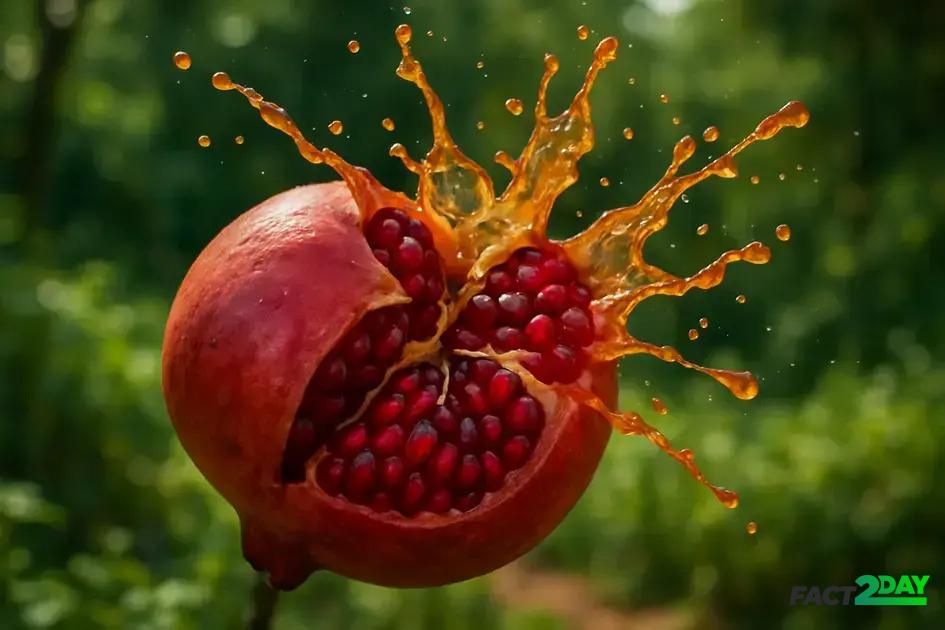
Exploding fruits disperse seeds by building internal pressure that causes the fruit to burst open suddenly, spreading seeds over wide areas to enhance plant reproduction and survival.
Exploding fruits hold a curious charm that might surprise you on your next walk through nature. Have you ever stumbled upon a fruit bursting open on its own? It’s a playful yet essential trick many plants use, and together we’ll explore the mystery behind this juicy spectacle.
what are exploding fruits and how do they work
Exploding fruits are a fascinating natural phenomenon where fruits burst open suddenly to release their seeds. This process helps plants disperse seeds efficiently over a wide area. Unlike fruits that rely on animals or wind, exploding fruits use built-in mechanical pressure. As the fruit ripens, tension builds up in the skin and inner tissues. When the pressure reaches a critical point, the fruit ruptures violently, sending seeds flying through the air.
How Exploding Fruits Work
The mechanism behind this involves the drying and shrinking of the fruit’s outer layers, which create mechanical stress. Inside, the seeds are often coated with sticky or hard coverings to protect them during the explosion. The sudden burst helps the seeds avoid falling too close to the parent plant, reducing competition for resources.
Examples include the squirting cucumber and the sandbox tree. These fruits have evolved unique structures that store elastic energy which is released rapidly, producing the characteristic explosion. This natural seed dispersal method is an elegant adaptation to ensure propagation and survival in various environments.
Understanding exploding fruits also reveals how plants manipulate physics to thrive. The bursts can happen quickly, surprising observers and showing just how dynamic and varied plant life can be.
examples of exploding fruits in nature
Nature offers fascinating examples of exploding fruits that use mechanical force to spread their seeds. One well-known example is the squirting cucumber, which can shoot seeds and juice meters away from the parent plant. Its fruit builds up pressure internally until it bursts open suddenly, ejecting its contents with surprising speed.
Another example is the sandbox tree, sometimes called the “dynamite tree” because of its loud explosive seed dispersal. When ripe, the fruit splits open with a sharp crack, forcefully scattering spiky seeds around the area.
The touch-me-not plant, or Impatiens, also produces seed pods that burst open on touch. These pods explosively fling seeds when disturbed by animals or humans passing by, helping the plant spread.
Many of these fruits rely on tension and pressure created by drying layers or moisture changes, which ultimately cause the fruit to rupture. Each species adapts this strategy slightly differently to maximize seed dispersal in its environment.
Why These Examples Matter
These exploding fruits demonstrate nature’s ingenuity in reproduction. The sudden burst not only protects seeds until they are ready but also spreads them over a wider area, increasing survival chances. Observing these fruits in action offers unique insights into plant adaptations and their relationships with the environment.
biological reasons behind fruit explosions
The biological reasons behind fruit explosions mainly involve seed dispersal strategies that improve a plant’s chances of survival. Plants have evolved to use mechanical force for spreading seeds far from the parent to reduce competition for resources like light, water, and nutrients.
Pressure Build-Up in Fruit Tissues
As fruit matures, changes occur in the cells and tissues, such as drying or uneven growth. These cause tension and pressure to build up within the fruit walls. The outer layers might shrink while inner parts stay moist, creating mechanical stress similar to a tightly wound spring.
Elastic Energy Storage
Certain fruits store elastic energy in their structures. When triggered by ripening or external touch, this stored energy is released suddenly, causing the fruit to burst open and fling seeds outward. This adaptation is a clever use of physical forces to aid reproduction.
Protection and Timing
The fruit’s structure protects seeds until they are ready for dispersal. Exploding fruits often time their bursts to coincide with optimal conditions like dryness or temperature, ensuring seeds land in environments favorable for germination.
Overall, fruit explosions are a perfect example of nature’s blend of biology and physics, tailored by evolution to maximize seed survival and spread.
how exploding fruits spread their seeds
Exploding fruits spread their seeds through a sudden and forceful ejection. This adaptation allows plants to disperse seeds far away from the parent, reducing competition for light, water, and nutrients. When the fruit bursts, it shoots seeds into the air, scattering them across the surrounding area.
Mechanism of Seed Dispersal
The explosive force comes from the build-up of pressure inside the fruit. As it ripens, tension accumulates until the outer skin ruptures, flinging seeds outward. This sudden release sends seeds flying in various directions, sometimes several meters away.
The seeds often have protective coatings that ensure they survive the impact and can germinate after landing. Some seeds are sticky or have small hooks, helping them attach to soil or animals nearby.
Benefits of Explosive Seed Dispersal
This method is efficient because it doesn’t rely on animals or wind. It increases the chances of seeds reaching fertile ground. The wide distribution prevents overcrowding and disease, giving seedlings better growth opportunities.
Overall, exploding fruits use nature’s power to deliver their seeds with precision and distance, an ingenious strategy for survival and expansion.
the role of environment in fruit bursting
The environment plays a crucial role in the bursting of exploding fruits. Factors such as temperature, humidity, and wind can influence when and how fruits burst. Dry conditions often increase the tension in fruit skins, causing them to split open more easily.
Effect of Temperature and Humidity
Warm temperatures can cause the fruit’s outer layers to dry and shrink, while moisture inside stays high. This creates stress and pressure that eventually leads to bursting. Conversely, high humidity might delay the process by keeping the fruit skin more flexible.
Influence of Wind and Physical Contact
Wind can trigger the release of built-up pressure in some fruits, especially those that are close to bursting. Physical contact from animals or humans can also cause sensitive fruits to rupture, helping seed dispersal on touch.
Different environments, like forests or dry plains, shape how exploding fruits behave, adapting their bursting mechanisms to maximize seed spread in their specific habitat. Understanding this relationship helps explain the diversity of explosive seed dispersal seen in nature.
surprising benefits of fruit explosions
Exploding fruits provide surprising benefits beyond just seed dispersal. This natural mechanism helps plants spread their seeds effectively, ensuring better growth and survival in diverse environments. The forceful release disperses seeds over a wider area, reducing competition among seedlings.
Enhances Biodiversity
By spreading seeds away from the parent plant, exploding fruits help increase plant diversity in an area. This creates healthier ecosystems by encouraging different species to grow together.
Protects Seeds from Predators
The sudden burst can startle animals that might eat the seeds, giving seeds a better chance to survive and germinate. Some seeds even have protective coatings that help them endure harsh conditions after dispersal.
Improves Soil Health
Exploded seeds that fall at varying locations encourage more plants to grow, which adds organic matter and nutrients to the soil. This process supports a richer and more fertile environment for other organisms.
Overall, fruit explosions are not just a neat trick of nature but an essential part of maintaining balance and vitality in many ecosystems.
how animals interact with exploding fruits
Animals often play a key role in the life cycle of exploding fruits. When fruits burst open, they can attract various animals that help in further seed dispersal. Some animals eat the seeds or fruit, while others may carry or drop seeds elsewhere, aiding plant propagation.
Seed Dispersal by Animals
Birds and small mammals are common visitors to exploding fruits. They may consume seeds directly or collect them to store as food, unintentionally moving seeds to new locations. This behavior increases the range of seed dispersal beyond the initial explosion.
Mutual Benefits Between Plants and Animals
Animals benefit by gaining a food source from the nutritious fruit or seeds. Plants, in turn, benefit by having their seeds carried away from the parent plant, avoiding overcrowding and competition. This mutual relationship supports diverse ecosystems.
Sometimes, the explosive burst also helps deter seed predators by startling them, giving seeds more chances to survive until animals spread them. This dynamic interaction shows how plant and animal behaviors are interconnected in nature.
methods to observe exploding fruits safely
Observing exploding fruits safely requires caution and respect for nature. Many fruits burst with surprising force, so it’s important to keep a safe distance to avoid injury. Wearing protective eyewear and gloves can add an extra layer of safety.
Choose the Right Location
Find areas where exploding fruits are common, such as forests or gardens with known species like the sandbox tree or squirting cucumber. Early morning or dry weather often offers the best conditions to witness fruit bursts.
Use Tools for Observation
Utilize binoculars or a camera with a zoom lens to watch from afar without disturbing the plants. Setting up a slow-motion video recording can capture the moment of explosion, allowing for detailed study without proximity.
Respect the Environment
Never shake or poke the fruits intentionally, as this can harm the plant and disrupt the ecosystem. Observe patiently and avoid damaging surrounding vegetation.
By following these methods, you can enjoy the fascinating spectacle of exploding fruits while staying safe and protecting nature.
impacts of exploding fruits on ecosystems
Exploding fruits have significant impacts on ecosystems by promoting plant diversity and regeneration. Their unique seed dispersal method allows seeds to reach areas far from the parent plant, reducing competition and helping plants colonize new habitats.
Boosting Biodiversity
The wide dispersal of seeds supports the growth of various plant species, which in turn sustains diverse animal populations. This diversity enhances ecosystem resilience, allowing it to better adapt to changes and recover from disturbances.
Supporting Food Webs
Seeds and fruits from exploding plants provide vital food sources for insects, birds, and mammals. This helps maintain healthy food chains and ecosystems. Additionally, animals that spread seeds contribute to maintaining plant populations.
Influence on Soil and Habitat
As exploding fruits help establish new plants, they contribute to soil health by adding organic matter and preventing erosion. Their growth creates shelter and breeding grounds for numerous organisms, enriching the habitat complexity.
Thus, exploding fruits play a valuable ecological role, shaping habitats and sustaining life in many environments.
how to grow plants with exploding fruits
Growing plants with exploding fruits requires understanding their unique characteristics and providing the right environment. Most exploding fruit plants prefer well-drained soil and plenty of sunlight to thrive.
Soil Preparation and Planting
Start by preparing fertile soil with good drainage. Mix organic compost to enrich nutrients. Plant seeds or young plants with enough spacing to accommodate their growth.
Watering and Care
Keep the soil consistently moist but not waterlogged. Water early in the day to allow evaporation and reduce fungal risks. Monitor plant health regularly and remove weeds to prevent competition.
Encouraging Exploding Fruit Development
Ensure the plant receives adequate sunlight and warmth, as these factors often trigger fruit ripening. Avoid over-fertilizing, which can lead to excessive foliage instead of fruit production. Proper care helps fruits develop the internal pressure needed for explosive seed dispersal.
Patience is key since these plants might take time to mature and produce fruits. Observing their growing cycle can be rewarding, showcasing nature’s amazing adaptations in your own garden.
Understanding the Wonder of Exploding Fruits
Exploding fruits are one of nature’s most fascinating seed dispersal methods. By bursting open, they help plants spread seeds far and wide, ensuring growth and diversity in many ecosystems.
These fruits rely on unique biological and environmental factors that make their bursting both powerful and purposeful. Observing and growing these plants provides a deeper appreciation of nature’s clever strategies.
Embracing the surprises of exploding fruits opens new ways to connect with the natural world and fosters curiosity about the complex relationships between plants, animals, and environments.
Whether you’re a gardener or nature lover, exploring exploding fruits offers a juicy and exciting glimpse into nature’s juiciest surprise.