Smarter Foes: The Unseen Evolution of Artificial Intelligence in Video Games
Explore how the Evolution of game AI shapes smarter, more immersive video game experiences, transforming foes into challenging adversaries.
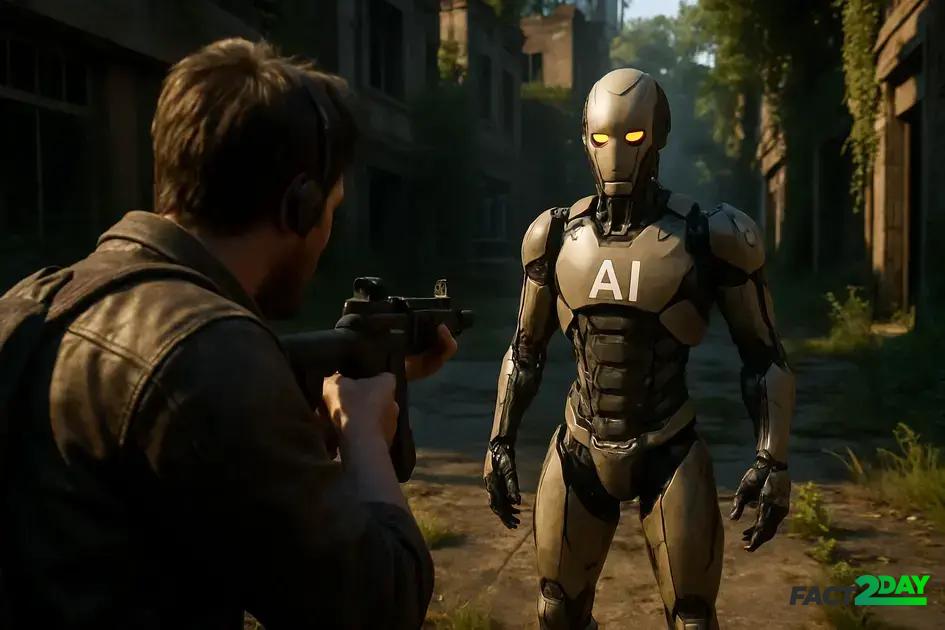
Evolution of game AI refers to the progression from simple rule-based behaviors to advanced machine learning and neural networks, enabling smarter, adaptive, and more immersive video game experiences.
Evolution of game AI has quietly reshaped the way we interact with video games. Have you ever wondered how non-player characters seem to learn and adapt, becoming more than mere obstacles?
early days of game AI: from simple rules to adaptive behaviors
In the early days of game AI, developers relied on simple rule-based systems to control non-player characters (NPCs). These systems used a set of predefined instructions that dictated NPC behavior, such as moving toward the player, attacking, or fleeing. The actions were predictable and often repetitive, reflecting the limited processing power and resources available during that era.
Basic AI techniques
Some common approaches included finite state machines, where NPCs switched between different states like idle, attack, or patrol based on specific triggers. Another technique was pathfinding algorithms, enabling NPCs to navigate around obstacles, albeit in a basic manner. Though simple, these techniques laid the groundwork for more complex AI.
Adaptive behaviors begin
Gradually, game AI started evolving toward adaptability by introducing elements like decision trees and rule prioritization. This allowed NPCs to react more dynamically, choosing from multiple behaviors based on changing game conditions. For instance, enemies could now decide when to use cover or when to retreat, making encounters a bit less predictable.
Despite these advancements being primitive compared to modern standards, the early AI set the stage for increasingly intelligent foes that could challenge players in new ways, turning games into more engaging and immersive experiences.
advancements in machine learning and neural networks in gaming
Advancements in machine learning and neural networks have revolutionized game AI, offering far more sophisticated and realistic behaviors in NPCs and game environments. Unlike earlier rule-based systems, machine learning allows AI to learn from data and improve over time, making gameplay more dynamic and challenging.
How machine learning enhances game AI
Machine learning algorithms analyze player behavior, adapting NPC strategies to keep players engaged. This can result in enemies that predict player moves or adjust difficulty levels automatically. Reinforcement learning, a subset of machine learning, enables AI to make decisions based on rewards and penalties, refining their tactics through trial and error.
The role of neural networks
Neural networks simulate human brain functions and can process complex data patterns. In gaming, they allow NPCs to recognize environments, make real-time decisions, and learn complex strategies. This technology powers realistic behaviors such as coordinated group tactics or cooperative AI allies that respond naturally to player actions.
These advancements have opened doors to creating immersive game worlds where AI opponents and allies feel unpredictable, intelligent, and lifelike.
future possibilities: how AI might redefine player experiences
The future of game AI promises to redefine player experiences in exciting ways. As AI technology continues to advance, games could offer deeply personalized stories that adapt to each player’s decisions and play style, creating truly unique adventures.
Dynamic storytelling and worldbuilding
AI could craft narratives that shift based on player actions, developing characters and plotlines in real time. This would make game worlds feel more alive and responsive, with consequences that hold more weight and unpredictability.
Enhanced player interaction
Future AI might enable NPCs to understand and respond to natural language, allowing players to converse with characters as if they were real people. This opens the door to immersive social interactions and more meaningful relationships within games.
Additionally, AI-driven adaptive difficulty could provide challenges tailored perfectly to individual skill levels, ensuring that every player stays engaged without frustration or boredom.
With these innovations, AI stands to transform games from scripted experiences into living, evolving worlds shaped by the player’s choices and interactions.
Looking Ahead: The Future of Game AI
The evolution of game AI has already changed how we experience video games, making opponents smarter and worlds more immersive. As AI continues to advance, players can expect games that adapt to their style and offer richer, more personalized adventures.
With technologies like machine learning and natural language processing, game AI will bring more lifelike characters and dynamic stories to life. This will create gaming experiences that feel fresh and exciting every time.
Embracing these AI innovations will not only challenge players but also deepen their connection to virtual worlds, shaping the future of interactive entertainment.