From Porridge to Pancakes: The Surprising History and Cultural Evolution of the World’s First Meal
Explore the fascinating journey of The Evolution of Breakfast, unveiling how our first meal shaped cultures worldwide across centuries.
Reflecting on the curious history of animal trials
Animal trials may seem strange to us today, but they reveal much about how medieval societies viewed justice, morality, and the natural world. These proceedings treated animals as moral agents, not just property, showing a complex blend of legal and spiritual beliefs.
This bizarre chapter in legal history invites us to reconsider how concepts of personhood and culpability have evolved over time. It reminds us that the frameworks we use to judge others—even non-human defendants—are shaped by culture and belief.
Although this practice has vanished, it leaves behind a fascinating legacy that challenges our understanding of law and morality.
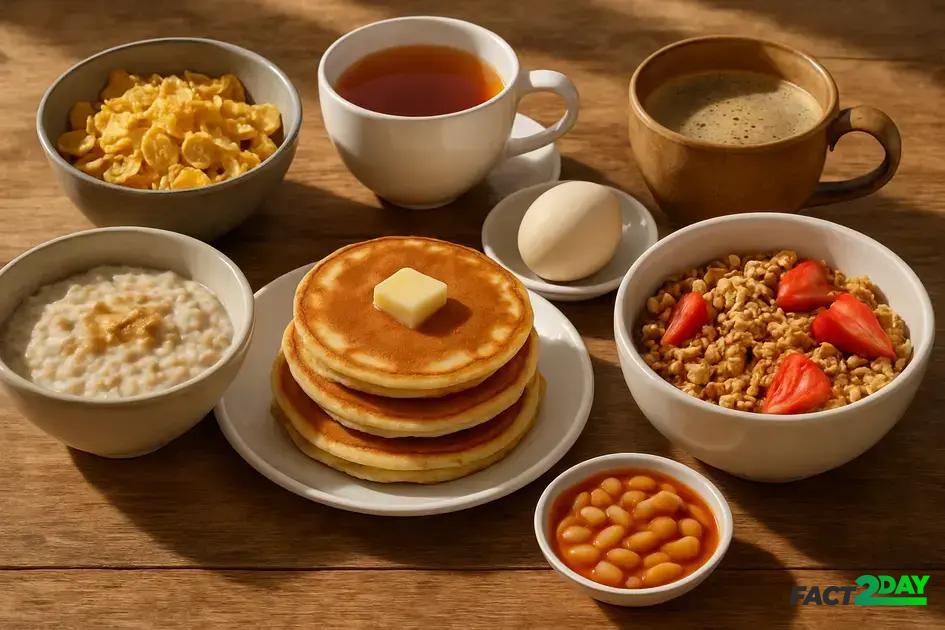
Consider for a moment the The Evolution of Breakfast: how did humanity come to cherish its first daily meal? From humble bowls of porridge to fluffy pancakes, our breakfast habits reveal intriguing cultural narratives worth exploring.
The origins of breakfast in ancient civilizations
Breakfast traditions date back thousands of years, with ancient civilizations laying the foundation for today’s morning meals. Early humans likely consumed simple foods like fruits, nuts, and seeds to start their day, providing essential energy for hunting and gathering.
In Mesopotamia and Egypt, grain-based porridges became common, as agriculture advanced and cereal grains were cultivated. These porridges were often mixed with water, milk, or honey, forming a nutritious, easy-to-digest meal.
The Greeks and Romans introduced more structured breakfast habits, consuming bread, olives, cheese, and wine in the mornings. For them, breakfast played a role in social and family routines, varying by class and region.
In ancient China, breakfasts included rice congee and steamed buns, emphasizing warm and filling dishes. Similarly, indigenous peoples in the Americas favored corn-based foods for their first meal.
The importance of breakfast in ancient societies
Across these early cultures, breakfast was not just about nourishment but also about preparing the body for daily labor. It often reflected social status and available resources, highlighting its role beyond mere sustenance.
The role of porridge in early morning meals
Porridge has been a cornerstone of breakfast for centuries and played a crucial role in early morning meals across many cultures. Made by boiling grains such as oats, barley, or millet in water or milk, porridge provided a warm, hearty, and easily digestible source of energy to start the day.
In ancient times, porridge was valued for its simplicity and availability. Grains were among the first cultivated crops, making porridge an accessible dish even for those in rural or harsh environments. It was often enriched with honey, nuts, or dried fruits to enhance flavor and nutrition.
The nutritional and practical benefits of porridge
Porridge is rich in complex carbohydrates and fiber, which deliver sustained energy and promote digestive health. Its warmth and texture also made it comforting during cold mornings or after a night of fasting.
Across Europe, Asia, and Africa, porridge variations adapted to local grains and customs, demonstrating its versatility. For example, Scottish oat porridge became a staple food, while rice porridge, or congee, was widespread in East Asia, sometimes served with savory toppings.
This humble dish’s enduring presence reflects its importance as a reliable, nutritious meal capable of fueling daily activities, from farming to trade.
How cereals became a breakfast staple
Cereals became a popular breakfast staple largely due to their convenience, nutrition, and long shelf life. Early civilizations recognized the value of cereal grains like wheat, barley, and oats for their energy and ability to be stored easily, making them ideal for morning meals.
In the 19th century, the invention of processed cereals revolutionized breakfast routines. Influenced by health reformers, manufacturers like John Harvey Kellogg developed ready-to-eat cereals, aiming to provide a quick and wholesome start to the day.
The rise of commercial breakfast cereals
Commercial cereals offered a new level of convenience, requiring minimal preparation while delivering essential nutrients. Their popularity grew as industrialization increased and families sought faster meal options.
Marketing and packaging innovations helped cereals become household favorites, appealing especially to children and busy parents. Over time, cereals diversified to include various flavors, shapes, and added vitamins.
Today, cereals remain a breakfast mainstay worldwide, blending tradition with innovation to suit modern lifestyles and tastes.
The cultural significance of pancakes in different countries
Pancakes hold a special place in breakfast traditions across the globe, often symbolizing celebration, family, and cultural heritage. Each country adds its unique twist to this beloved dish, reflecting local ingredients and customs.
In the United States and Canada, pancakes are typically thick and fluffy, served with maple syrup and butter. This style emphasizes sweetness and comfort, often enjoyed in leisurely weekend breakfasts.
Pancake traditions worldwide
In France, crêpes are thin pancakes filled with sweet or savory ingredients, enjoyed as street food or festive treats. Meanwhile, Russian blini are small, yeasted pancakes traditionally served with sour cream, caviar, or smoked fish during celebrations.
In Asian countries like Japan, pancakes are often lighter and sometimes filled with ingredients such as red bean paste or green tea powder, blending dessert and breakfast elements.
Shrove Tuesday, known as Pancake Day in the UK, highlights pancakes’ cultural role in marking the start of Lent through symbolic fasting and sharing meals.
Across cultures, pancakes often bring families together and celebrate traditions, making them more than just a meal — they are a part of communal identity and festivity.
The evolution of breakfast from rural to urban societies
Breakfast habits have evolved significantly from rural to urban societies as lifestyles and food availability changed. In rural areas, breakfast was often a simple, hearty meal designed to fuel long hours of physical labor, typically consisting of porridge, bread, and locally sourced ingredients.
With urbanization, people’s morning routines became faster and more varied. Urban dwellers often opted for quicker, more convenient foods due to tighter schedules and less access to fresh farm produce.
The impact of industrialization on breakfast
Industrialization introduced packaged and processed foods, making breakfast more accessible and diverse in cities. Cereal grains, milk, coffee, and ready-to-eat products became common, replacing traditional meals in many households.
Urban breakfast also mirrored cultural mixing, as people from various backgrounds brought their own culinary customs. This led to a richer variety of breakfast options in metropolitan areas.
Meanwhile, rural breakfasts retained their traditional roots longer, emphasizing fresh, seasonal, and homemade foods, although modernization has gradually influenced these as well.
Impact of agriculture on breakfast foods
Agriculture greatly shaped breakfast foods by introducing cultivated grains, dairy, and other staples essential for morning meals. The shift from foraging to farming allowed for more reliable food sources, enabling societies to develop distinct breakfast traditions.
With the domestication of wheat, barley, and oats, cereals became a primary component of breakfast, often prepared as porridges or breads. These grains provided lasting energy, especially important for early laborers.
The role of dairy and livestock
Dairy products like milk, butter, and cheese emerged as important breakfast items due to animal husbandry advances. Milk was often consumed fresh or used in porridge, while butter and cheese enriched bread and other dishes.
The availability of eggs and meat in some agricultural societies also diversified breakfast options, offering protein-rich choices that supported active lifestyles.
This agricultural foundation led to regional variations based on local crops and livestock, influencing cultures worldwide and creating the breakfast diversity we see today.
Breakfast rituals and their social meanings
Breakfast rituals hold deep social meanings and vary widely across cultures. These morning routines often extend beyond nourishment, symbolizing connection, tradition, and community.
In many cultures, breakfast is a time for families to gather and bond before starting their day. This shared meal fosters communication and reinforces family ties.
Social aspects of breakfast rituals
Rituals such as blessing the food or sharing specific dishes signify respect and gratitude. In some societies, breakfast customs mark important holidays or transitions, reflecting cultural values and identity.
Communal breakfasts in workplaces, schools, or neighborhoods promote teamwork and social cohesion. Coffee gatherings or tea ceremonies around breakfast also provide spaces for conversation and networking.
These rituals contribute to a sense of belonging and well-being. Understanding their social role helps appreciate breakfast as more than just a meal, but a meaningful daily practice.
The rise of coffee and tea with morning meals
The rise of coffee and tea as staples with morning meals has transformed breakfast traditions worldwide. Both beverages offer more than taste; they provide a ritualistic and comforting start to the day that many eagerly anticipate.
Originally consumed for their energizing and stimulating properties, coffee and tea became cultural icons tied to social interaction and personal routines. Tea has ancient roots in Asia, especially China and Japan, where it was part of elaborate ceremonies.
Global spread and significance
Coffee gained popularity in the Middle East before spreading to Europe and the Americas, where cafes became social hubs. Its bitter flavor and caffeine content made it ideal for sharpening focus during busy mornings.
Today, pairing breakfast with either coffee or tea is common. Coffee often accompanies rich or sweet dishes like pastries, while tea is enjoyed with lighter foods or savory snacks, varying by culture.
The shared enjoyment of these beverages at breakfast fosters connection and helps set a positive tone for the day ahead.
Industrialization and convenient breakfast options
Industrialization played a key role in shaping modern breakfast options by introducing convenience and mass production. As more people moved to cities and worked in factories, the demand for quick and easy meals increased.
Convenient breakfast products such as boxed cereals, instant oatmeal, and pre-packaged pastries emerged to meet this need. These foods saved time while still providing necessary nutrition.
The impact of technology and marketing
Advances in food processing and packaging allowed manufacturers to create long-lasting products. Marketing targeted busy families and children, making breakfast cereals a household staple by the early 20th century.
Industrialization also encouraged diversity in breakfast choices, introducing ready-to-eat foods from various cultures. This shift reflected changing lifestyles and the rise of consumer culture.
Overall, industrialization transformed breakfast from a largely homemade affair into a dynamic market of convenient, accessible options suited for modern life.
Modern health trends and their influence on breakfast choices
Modern health trends have significantly influenced breakfast choices, encouraging people to prioritize nutrition, portion control, and ingredient quality. Many now seek breakfasts that support energy, digestion, and overall well-being.
Plant-based diets, gluten-free options, and low-sugar foods have gained popularity, pushing the market toward diverse and specialized morning meals. Smoothie bowls, overnight oats, and protein-rich dishes are commonly preferred for their health benefits.
Focus on whole and functional foods
Whole grains, fresh fruits, nuts, and seeds are emphasized in many health-focused breakfasts for their fiber and antioxidants. Functional ingredients like probiotics and superfoods also enhance digestion and immunity.
The rise of intermittent fasting and mindful eating has sparked debates about whether breakfast is necessary, but many experts agree on balanced meals tailored to individual needs.
Overall, modern health trends continue shaping breakfast into a personalized ritual that aligns with lifestyle and wellness goals.
Breakfast in literature and art across ages
Breakfast has long been a rich subject in literature and art, symbolizing more than just a meal. It often represents themes of comfort, routine, and social interaction, providing insight into cultures and daily life.
In classic literature, breakfast scenes often depict family dynamics or personal reflection. Writers use these moments to explore character relationships or societal norms.
Breakfast as a motif in art
Artists across ages have captured breakfast settings, from detailed still lifes showing bread, fruit, and coffee to lively depictions of morning gatherings. These works highlight the significance of breakfast as a moment of pause and connection.
From Dutch Golden Age paintings to modern illustrations, breakfast scenes communicate atmosphere, emotion, and social context. They reflect changes in food habits and cultural values over time.
Understanding breakfast in art and literature enriches our appreciation of this daily ritual as a window into human experience and history.
The globalization of breakfast foods
The globalization of breakfast foods has transformed morning meals into a diverse and dynamic experience. Ingredients, recipes, and traditions from different cultures now intermingle, offering people more choices than ever before.
Foods like croissants, bagels, and pancakes, once tied to specific regions, are now enjoyed worldwide, showcasing how migration and trade spread culinary practices.
Cultural exchange and adaptation
Globalization allows breakfast dishes to adapt to local tastes and ingredients, resulting in fusion meals that blend flavors and techniques. For example, sushi-inspired breakfast bowls or avocado toast topped with spices from various cuisines.
Cafes and restaurants around the world often feature international breakfast menus, reflecting this global influence and catering to diverse preferences.
This cross-cultural exchange enriches breakfast by promoting creativity and broader appreciation for different eating customs.
Breakfast and its reflection of economic changes
Breakfast choices and patterns have continually mirrored broader economic changes in societies. The availability, cost, and types of breakfast foods often reflect a country’s economic state and consumer behavior.
During times of prosperity, people tend to have access to a wider variety of foods, including luxury items like fresh fruits, imported coffee, and specialty breads. In contrast, economic downturns often shift breakfast habits toward simpler, more affordable staples such as porridge or bread.
Economic factors shaping breakfast habits
Industrialization and rising incomes led to more packaged and processed breakfast options, catering to urban lifestyles and convenience. Mass production reduced costs, making many foods accessible to a broader population.
Global trade also influenced breakfast economies by introducing new ingredients and flavors, which sometimes became status symbols or daily necessities depending on affordability.
Today, economic disparities continue to affect breakfast quality and diversity, with accessibility and health awareness influencing choices across different social classes.
Future trends in breakfast and food technology
Future trends in breakfast and food technology are set to reshape how we start our day. Innovations aim to make breakfast more nutritious, sustainable, and convenient, adapting to evolving lifestyles and environmental concerns.
Advancements like plant-based alternatives, lab-grown ingredients, and 3D-printed foods promise novel options that reduce environmental impact while offering tailored nutrition.
Technology enhancing personalization and sustainability
Smart kitchen appliances and AI-driven meal planning are enabling personalized breakfasts based on dietary needs, preferences, and health goals. These technologies can also minimize food waste by optimizing portions and suggesting recipes.
Additionally, developments in packaging, such as biodegradable materials, further contribute to sustainable breakfast practices.
The integration of food technology with daily routines suggests a future where breakfast is not only delicious but also aligned with health and planet-friendly values.
Reflecting on the evolution of breakfast
Breakfast has journeyed through centuries, adapting to cultural shifts, economic changes, and technological advances. From simple porridges in ancient times to modern, personalized meals, it remains a vital part of daily life.
Understanding this rich history helps us appreciate not just the food we eat but its deeper connections to society and innovation. As breakfast continues to evolve, it reflects our values, health trends, and the world we live in.
Whether traditional or futuristic, breakfast will always be a meaningful start to the day for people worldwide.