Beyond the Emperors: A Glimpse into the Everyday Lives of Ancient Civilizations
Everyday life in ancient civilizations reveals how people crafted routines, faced challenges, and celebrated joys far from the grandeur of emperors.
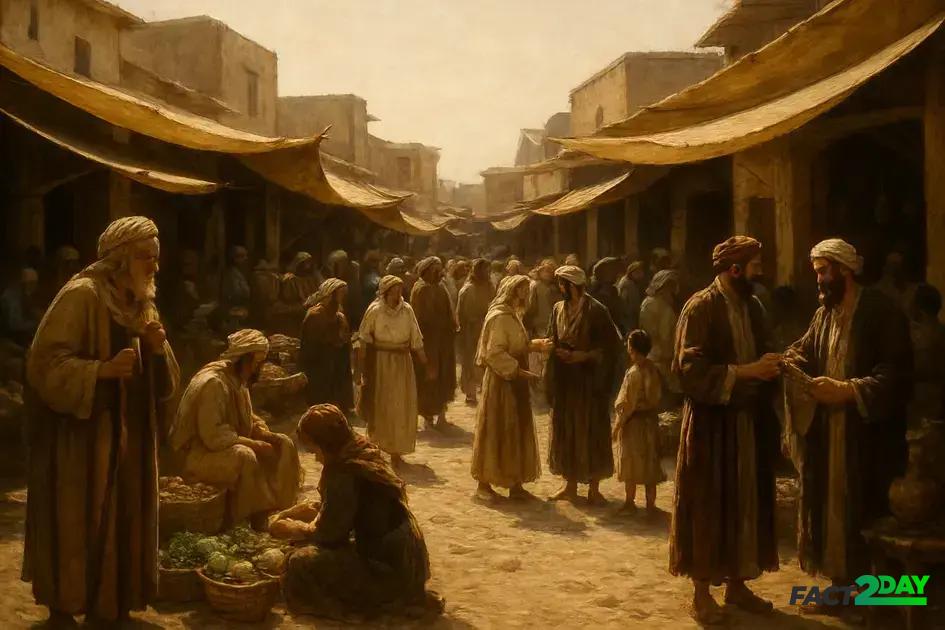
Everyday life in ancient civilizations involved distinct social roles, family-centered food traditions, and a balance of work, craft, and leisure that shaped community culture and daily routines.
Everyday life in ancient civilizations often escapes the grand tales of emperors and wars. Yet, these daily moments reveal much about human resilience and connection. Have you ever wondered what a morning in an ancient city felt like?
daily routines and social roles
In ancient civilizations, daily routines were shaped by cultural norms and social hierarchies. Most people began their day at dawn, performing tasks according to their social roles. Farmers would tend to crops and livestock, while artisans prepared tools and goods for trade. Women typically managed household duties, including cooking, cleaning, and child-rearing, while men might engage in labor or governance.
Social Roles and Hierarchy
Society was often divided into classes, with distinct roles for nobles, priests, merchants, commoners, and slaves. Each class had specific responsibilities and privileges. For example, priests conducted religious rituals, which were central to daily life, while merchants facilitated trade that sustained communities.
The Rhythm of Daily Life
Life followed the cycles of nature, including the seasons and religious calendars. People balanced work with moments of rest and socializing. Markets and communal spaces were hubs where different classes interacted, shared news, and exchanged goods.
Daily life in these civilizations reveals a complex web of duties and relationships, reflecting how individuals contributed to and depended on their communities.
food and family traditions
Food was a major part of daily life in ancient civilizations, deeply connected to both survival and family traditions. Meals were often prepared using locally grown ingredients like grains, vegetables, and fruits, with meat reserved for special occasions. Sharing food was a way to strengthen family bonds and celebrate cultural heritage.
Family Meals and Social Bonds
Family members gathered for meals, which served as key times for communication and passing down traditions. These gatherings often included storytelling and ritual practices, reinforcing a sense of identity and community.
Traditional Foods and Preparation
Each civilization had unique recipes and techniques, often handed down through generations. For example, bread-making was central in many cultures, while others prized fermented foods. Cooking methods included open fires, clay ovens, and pots made from natural materials.
Food and family traditions reflected the values and resources of the community, creating a strong link between everyday life and cultural legacy.
work, craft, and leisure activities
Work in ancient civilizations often revolved around agriculture, craftsmanship, and trade. Farmers cultivated the land, while artisans specialized in creating pottery, textiles, and tools. These crafts were essential for daily living and economic growth. Leisure activities allowed people to relax and socialize after long workdays.
Craftsmanship and Trade
Artisans developed skills over years, producing goods that were both practical and artistic. Trade networks connected different communities, spreading goods and ideas. Markets became lively centers of exchange and interaction.
Leisure and Social Life
People enjoyed music, dance, storytelling, and games as ways to unwind. Festivals and communal gatherings provided entertainment and reinforced social bonds. These experiences were vital to cultural identity and personal well-being.
Work, craft, and leisure combined to create a balanced lifestyle in ancient civilizations, reflecting the values and resources of each community.
Understanding the heartbeat of ancient civilizations
Exploring daily routines, family traditions, and work reveals the rich texture of life beyond rulers and empires. These details help us appreciate how people lived, worked, and connected with their communities.
From farming fields to family meals and leisure moments, the everyday life in ancient civilizations shows a vibrant world full of resilience and culture. By looking closely at these aspects, we gain deeper insight into human history and enduring traditions.