Cleaning Bacteria: Environmental Biotechnology
How bacteria and biological processes restore polluted ecosystems
Frisson is the sensation of goosebumps triggered by music, caused when the brain activates reward and fear centers simultaneously, creating a thrilling yet enjoyable experience.
Have you ever heard of Environmental Biotechnology Remediation? It’s fascinating to think that bacteria can become allies in cleaning up the contaminated places around us. Let’s explore together how this practice transforms our environment, almost like nature’s own magic.
What is environmental biotechnology?
Environmental biotechnology is the use of living organisms, such as bacteria and plants, to solve environmental problems. It focuses on developing natural methods to clean polluted water, soil, and air without harming ecosystems. This field combines biology, chemistry, and ecology to create sustainable solutions that help restore the balance of nature.
Key Elements of Environmental Biotechnology
One important aspect is the use of microbes that can break down harmful substances like oil spills or heavy metals. These microbes work by transforming toxic compounds into harmless materials through natural processes.
Another area involves genetically modifying organisms to enhance their ability to remove pollutants faster or in harsher conditions. This makes biotechnological methods very effective compared to traditional chemical treatments.
Why It Matters
Environmental biotechnology provides cleaner and greener alternatives for waste management and pollution control. It can reduce costs, minimize environmental damage, and promote healthier ecosystems. As industries and populations grow, these eco-friendly techniques become crucial for sustainable development.
Overall, environmental biotechnology offers innovative ways to protect our planet by harnessing the power of nature’s own organisms.
How bacteria work in environmental remediation
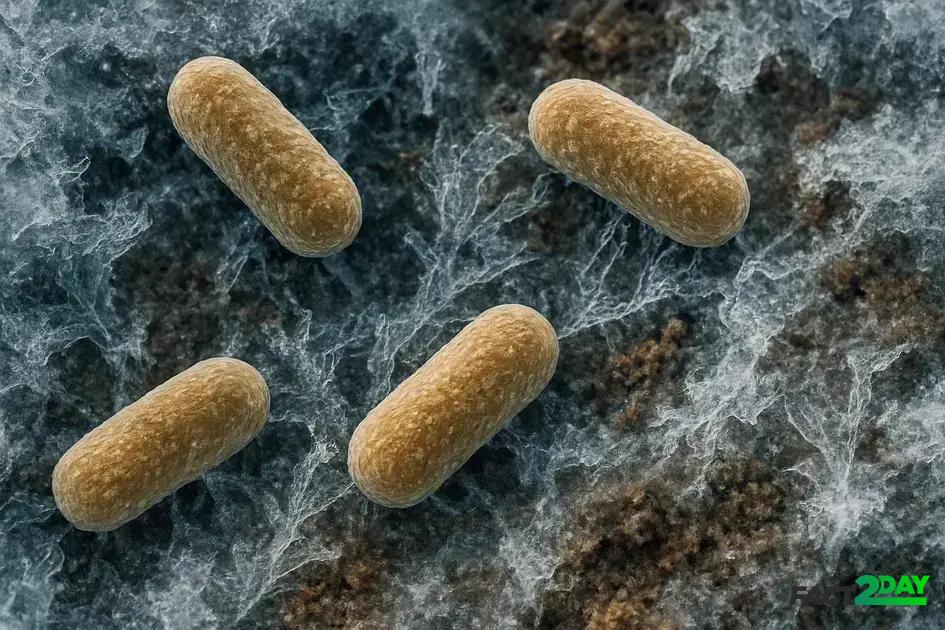
Bacteria play a crucial role in environmental remediation by breaking down harmful pollutants into less toxic or harmless substances. These microorganisms use pollutants as a source of energy or nutrients, which helps cleanse soils, water, and air naturally.
Natural Breakdown Processes
Through processes like biodegradation, bacteria secrete enzymes that chemically transform contaminants such as oil, heavy metals, and pesticides. This helps reduce pollution levels without adding harmful byproducts.
Types of Bacterial Actions
Bacteria can perform aerobic or anaerobic degradation, depending on the presence or absence of oxygen. Each type targets different pollutants and conditions, making bacteria versatile agents in diverse environments.
Enhancing Bacterial Remediation
Scientists can stimulate bacterial activity by adjusting factors like nutrient levels, temperature, and pH. Sometimes, bacteria are genetically modified to improve their efficiency in breaking down specific toxic compounds.
Overall, bacteria act as natural cleaners by transforming dangerous waste into safer forms, supporting healthier ecosystems and reducing human impact on the environment.
The impact of biotechnology on cleaning contaminated soils
Biotechnology has transformed the way we clean contaminated soils by using living organisms to break down pollutants naturally. Bacteria, fungi, and plants work together to degrade harmful chemicals like oil, pesticides, and heavy metals, turning them into less toxic substances.
How Biotechnology Improves Soil Clean-Up
Traditional methods often involve digging up soil or using harsh chemicals that can damage the environment. Bioremediation, a biotech process, is more effective and eco-friendly. It targets pollutants directly within the soil, reducing waste and restoring soil health over time.
Techniques Used in Soil Remediation
Some common techniques include bioaugmentation, where specialized microorganisms are added to boost pollutant breakdown, and phytoremediation, which uses plants to absorb or neutralize contaminants. These methods help restore soil fertility and support plant growth.
Environmental and Economic Benefits
By applying biotechnology, contaminated lands can be rehabilitated faster, preventing toxic substances from spreading to nearby water or air. This lowers cleanup costs and helps protect ecosystems and human health.
Biotechnology in soil cleaning offers a sustainable solution that benefits both the environment and communities affected by pollution.