Future Feast: Why Edible Insects Are the Sustainable Protein Powerhouse You Haven’t Tried Yet
Discover how Edible Insects Sustainable Protein could revolutionize your diet with eco-friendly benefits and surprising nutritional power.
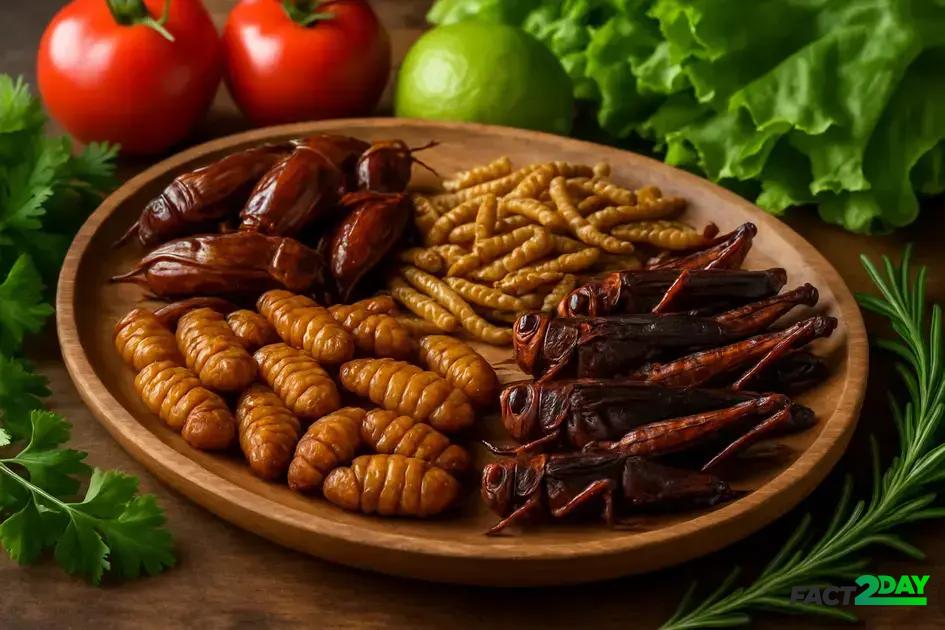
Edible insects provide a sustainable, nutrient-rich protein alternative that uses fewer resources and emits less greenhouse gases than traditional livestock, making them crucial for future food security and environmental health.
Edible Insects Sustainable Protein is capturing attention as a surprising and eco-friendly dietary option. Have you ever wondered why insects might be the future of food? Let’s explore the fascinating potential of this protein powerhouse together.
What makes edible insects a sustainable protein source?
Edible insects are considered a sustainable protein source because they require far fewer resources than traditional livestock. For example, insects need much less land, water, and feed to produce the same amount of protein compared to cattle, pigs, or chickens. This efficiency makes insect farming a viable solution for feeding a growing global population without straining the environment.
Insects also emit significantly lower levels of greenhouse gases like methane and carbon dioxide. Their fast reproduction rates and high feed conversion efficiency mean they can produce protein more quickly and with fewer inputs. Additionally, many edible insects can be reared on organic waste or by-products, helping to reduce food waste and promote circular economies.
Using insects as protein also helps preserve biodiversity by lessening the demand for deforestation and overgrazing that often comes with expanding traditional livestock farming. This sustainable approach supports ecosystem health while providing a nutritious alternative.
Because insect farming uses vertical space effectively, it can be implemented in urban or rural areas, further reducing transportation emissions. Altogether, these factors make edible insects a promising and sustainable source of protein for the future.
Nutritional benefits of eating insects
Edible insects offer a rich nutritional profile that makes them an excellent protein source. They typically contain high levels of protein, essential amino acids, healthy fats, vitamins, and minerals. For instance, many insects are packed with vitamin B12, iron, and zinc, which are vital nutrients often lacking in plant-based diets.
The protein content in insects often rivals or exceeds that of traditional meats like beef, pork, and chicken. Additionally, insects provide good amounts of fiber in the form of chitin, which may benefit digestive health.
Key Nutrients Found in Edible Insects
- Protein: Essential for muscle repair and growth.
- Healthy fats: Including unsaturated fats and omega-3 fatty acids that support heart health.
- Vitamins: Especially B vitamins like B12, which supports brain function and energy metabolism.
- Minerals: Such as iron, zinc, and calcium critical for immune health and bone strength.
Because of their nutrient density, edible insects can help improve nutritional outcomes in populations facing food insecurity. Incorporating them into diets can complement other protein sources, providing balanced nutrition with sustainable benefits.
Environmental impact of insect farming versus traditional livestock
Insect farming has a much lower environmental impact compared to traditional livestock farming. One of the main advantages is its minimal greenhouse gas emissions. Insects produce far fewer gases like methane and nitrous oxide, which contribute to global warming.
Additionally, insect farms require dramatically less land and water. While cattle and pigs need vast grazing areas and large quantities of water, insects can be farmed indoors in smaller spaces, using a fraction of these resources. This makes insect farming more efficient and less disruptive to natural ecosystems.
Comparing resource use
- Land: Insect farming takes up 90% less land than traditional livestock.
- Water: Insects need about 50 times less water per gram of protein produced.
- Feed efficiency: Insects convert feed into protein more effectively, reducing waste.
Because insect farming generates less environmental stress, it supports the preservation of forests and biodiversity. By adopting insects as a protein source, we can reduce deforestation, soil degradation, and water pollution often linked to conventional meat production.
Overall, this sustainable approach to protein production offers a promising way to meet growing food demands while protecting the planet.
Popular edible insect species around the world
Edible insects are consumed worldwide, with many species favored for their taste, availability, and nutritional value. Some of the most popular insect species include crickets, mealworms, grasshoppers, and black soldier fly larvae. Each has unique qualities that make them suitable for different culinary uses.
Crickets are among the most widely farmed edible insects. They are rich in protein, easy to farm, and have a mild, nutty flavor that works well in snacks and protein bars.
Mealworms are the larvae of darkling beetles. They contain healthy fats and high protein levels, and their slightly crunchy texture makes them popular in various dishes.
Grasshoppers have been eaten for centuries in many cultures, especially in Africa and Asia. They are known for their meaty texture and are often roasted or fried.
Black soldier fly larvae are gaining attention not only for human consumption but also as sustainable animal feed. They grow fast and are efficient at converting organic waste into protein.
Other notable edible insects include ants, locusts, and silkworm pupae, each contributing to diverse culinary traditions and sustainable protein sources globally.
How edible insects fit into global food security
Edible insects present a promising solution to global food security challenges. With the world’s population expected to reach 9.7 billion by 2050, finding sustainable and nutrient-rich food sources is critical. Insects offer a high-protein, efficient, and environmentally friendly option to help meet growing food demands.
Insects can be farmed on a large scale with minimal resources, making them accessible even in regions with limited agricultural capacity. Their fast growth cycles and ability to convert organic waste into valuable protein contribute to more resilient food systems.
Role in nutrition and food supply
- Rich in nutrients: Insects provide protein, vitamins, and minerals essential to human health.
- Resource efficiency: They require less land, water, and feed than traditional livestock.
- Food diversification: Incorporating insects diversifies diets and reduces reliance on a narrow range of protein sources.
Countries facing food insecurity can benefit from insect farming as both a food source and income generator, helping reduce hunger and poverty. Furthermore, insect-based foods can help stabilize supply chains during crises by offering a scalable protein option.
Insect farming techniques and technological advancements
Insect farming has evolved with innovative techniques and technologies to increase efficiency and sustainability. Modern insect farms use controlled environments that optimize temperature, humidity, and light to ensure the best growth conditions for species like crickets, mealworms, and black soldier fly larvae.
Automation plays a big role in scaling insect production. Technologies such as automated feeding systems, climate control, and waste management make farms more productive and cost-effective, reducing labor needs.
Advancements in farming methods
- Vertical farming: Utilizing vertical space with stacked trays or containers to maximize yield in smaller footprints.
- Waste-to-protein conversion: Using organic waste streams to feed insects, which supports circular economy principles.
- Genetic selection: Breeding insects for faster growth, disease resistance, and higher nutritional content.
Research and innovation also focus on improving harvesting techniques and developing insect-based products like protein powders and snacks. These advances help bring edible insects to mainstream markets while ensuring quality and safety.
Cultural perceptions and acceptance challenges
Cultural perceptions play a major role in the acceptance of edible insects as a food source. In many Western countries, there is a strong “yuck factor” that makes people hesitant or even disgusted by the idea of eating insects. This perception contrasts with many regions in Africa, Asia, and Latin America, where insects have been part of traditional diets for centuries and are enjoyed as delicacies.
One of the biggest challenges is overcoming the stigma that insects are dirty or unnatural to eat. Education about the nutritional and environmental benefits is essential to change these attitudes. Showing how insects can be prepared tastefully and safely also helps reduce hesitation.
Efforts to increase acceptance
- Food innovation: Incorporating insect protein into familiar food products like protein bars, flours, and snacks.
- Media and marketing: Positive stories, cooking shows, and influencer endorsements promote curiosity and trial.
- Cultural exchange: Sharing culinary traditions and recipes that celebrate edible insects.
Many companies and organizations work to normalize insect eating by addressing fears and building consumer confidence. While change takes time, shifting perceptions is key for edible insects to become a mainstream and sustainable protein choice.
Ways to incorporate edible insects into your meals
Incorporating edible insects into meals can be both creative and simple, offering a new source of protein and nutrients. Many insects have a mild flavor that blends well with common ingredients, making them versatile for different dishes.
Start gradually by adding insect powder or flour, made from ground dried insects, to baked goods like bread, muffins, or pancakes. This method masks the insect form while boosting protein content.
Whole insects can be roasted, fried, or toasted for snacks and toppings. For example, roasted crickets or grasshoppers can add a crunchy texture to salads, soups, or rice dishes.
Popular ways to cook with edible insects
- Protein bars and snacks: Mixing insect powder with nuts, seeds, and honey.
- Insect flour pasta: Homemade pasta using cricket or mealworm flour for added nutrition.
- Stir-fries and tacos: Adding seasoned insects as a main or side protein.
- Smoothies and shakes: Blending insect protein powder for a nutritious boost.
Experimenting with spices and flavors familiar to you can make the transition easier. As awareness grows, many supermarkets and specialty stores now offer edible insect products, making it convenient to try this sustainable protein source.
Comparing the carbon footprint of insect protein to meat
Insect protein has a significantly smaller carbon footprint compared to traditional meat sources like beef, pork, and chicken. This difference mainly arises from how insects convert feed into protein and their overall resource use.
For example, producing one kilogram of beef generates roughly 27 kg of CO2 equivalent, while the same amount of insect protein produces less than 3 kg of CO2 equivalent. This dramatic reduction is due to insects’ efficient metabolism, requiring less feed and water.
Factors contributing to lower emissions
- Feed conversion efficiency: Insects convert feed into protein more effectively, reducing greenhouse gas emissions from feed production.
- Lower methane emissions: Unlike ruminant animals, insects produce almost no methane, a potent greenhouse gas.
- Reduced land and water use: Less land clearance and water consumption mean fewer ecosystem disruptions and lower emissions.
Incorporating insect protein into diets can help reduce the overall carbon footprint of food production, supporting climate change mitigation efforts while providing nutritious alternatives.
Economic benefits for farmers and communities
Insect farming offers substantial economic benefits for farmers and local communities, especially in regions where traditional agriculture faces challenges. It provides an accessible, low-cost way to generate income, as insects require minimal land, water, and feed.
Farming insects can create new job opportunities, ranging from breeding and harvesting to processing and marketing insect-based products. Small-scale farms allow farmers to diversify their activities, reducing economic risks linked to climate and market fluctuations.
Community impact and opportunities
- Income generation: Farmers can sell insects or insect-derived products locally and internationally, tapping into growing markets.
- Empowerment: Insect farming is often accessible to women and marginalized groups, promoting inclusive economic growth.
- Food security: By producing protein locally, communities reduce reliance on imported meat, improving resilience.
Supporting insect farming with training and infrastructure development can significantly boost rural economies. This emerging industry contributes to sustainable livelihoods while promoting environmental protection.
Safety and regulation in edible insect production
Safety and regulation are critical to ensuring edible insects are a safe and trusted protein source. Proper farming and processing standards help prevent contamination and foodborne illnesses.
Key safety practices include maintaining hygienic farming environments, controlling pests and diseases, and using safe feed substrates. Insects should be sourced from farms that follow strict guidelines on cleanliness and biosecurity.
Regulatory frameworks
- Food safety standards: Many countries are developing regulations specific to insect farming and processing to ensure products meet health requirements.
- Traceability: Tracking insect production from farm to table is vital for recall management and consumer protection.
- Certification: Third-party certifications can provide assurance about quality and safety of insect-based foods.
Consumers should look for products that comply with local food safety laws and have transparent labeling. Ongoing research helps identify potential allergens and establish best practices, building confidence in edible insect products worldwide.
Future trends in edible insect consumption
Future trends in edible insect consumption reflect growing interest in sustainable and alternative protein sources. Innovations in food technology are enhancing the appeal and accessibility of insect-based foods worldwide.
Product diversification is a major trend, with companies developing insect protein powders, snacks, baked goods, and even insect-based meat substitutes. These products make it easier for consumers to try insects without confronting unfamiliar textures or appearances.
Technological and market trends
- Improved farming methods: Automation and breeding innovations will increase production efficiency and reduce costs.
- Culinary innovation: Chefs and food scientists are creating gourmet dishes and recipes that showcase edible insects in new ways.
- Regulatory development: Governments worldwide are establishing clearer regulations to ensure food safety and support industry growth.
- Increased consumer awareness: Education campaigns and environmental concerns are driving greater acceptance.
With these trends, edible insects are poised to become a mainstream part of diets, supporting global sustainability goals and food security.
Delicious recipes featuring edible insects
Edible insects can be used in a variety of delicious recipes that showcase their unique flavors and textures. From snacks to main dishes, incorporating insects into meals can be fun and nutritious.
Insect flour is a versatile ingredient that can be used in baking bread, muffins, and pancakes, adding protein without overpowering the taste. Roasted or fried insects make excellent crunchy toppings for salads, soups, and stir-fries.
Popular recipes with edible insects
- Cricket protein brownies: Using cricket flour for a rich, nutritious dessert with a slight nutty flavor.
- Mealworm stir-fry: Sautéed mealworms with vegetables and soy sauce for a simple, protein-packed meal.
- Grasshopper tacos: Seasoned and roasted grasshoppers served with fresh toppings in soft tortillas.
- Insect protein smoothie: Blending insect protein powder with fruits, yogurt, and honey for a healthy drink.
Experimenting with spices and herbs can enhance the flavor of insect dishes and make them more appealing to diverse palates. These recipes also highlight how edible insects can easily fit into everyday cooking.
Why edible insects are a smart choice for the future
Edible insects offer a sustainable, nutritious, and versatile source of protein that can help address global food challenges. They use fewer resources and produce less pollution than traditional livestock, making them better for the planet.
With growing innovations in farming and cooking, insects are becoming easier and more enjoyable to include in everyday meals. Changing cultural attitudes and improving regulations make insect consumption safer and more accepted worldwide.
By embracing edible insects, we can support healthier diets, boost economies, and protect the environment. They truly are a protein powerhouse worth trying.