The Next Mushroom Revolution: Innovations in Cultivating Unique Edible Fungi for Food Security
Explore how Edible Fungi Cultivation Innovation is reshaping food security with unique mushrooms that could change our future.
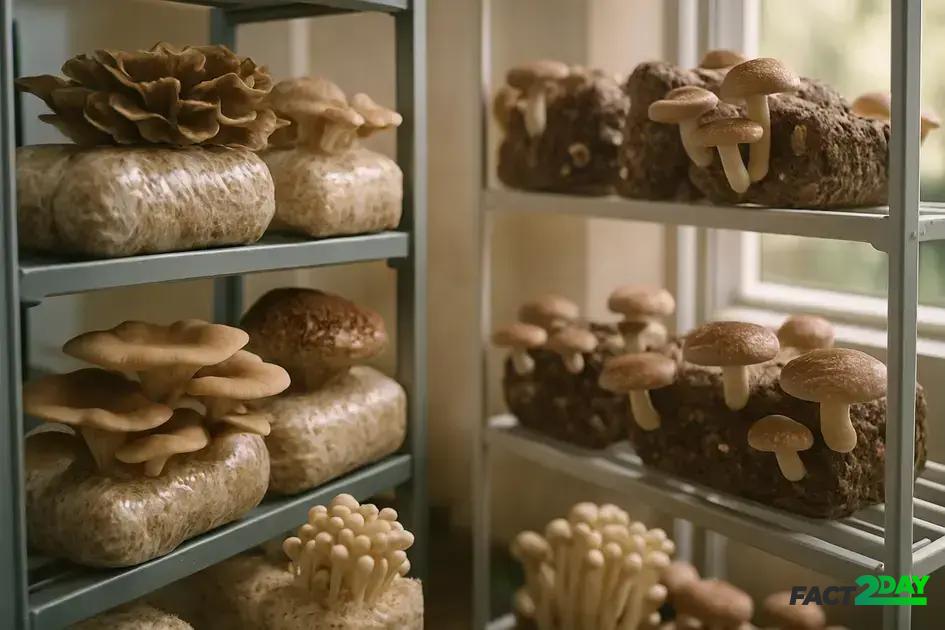
Edible fungi cultivation innovation involves advanced techniques and global collaboration to improve yields, sustainability, and food security by growing unique mushroom species efficiently and responsibly.
Have you ever noticed the rising buzz around Edible Fungi Cultivation Innovation? This fascinating shift in how we grow mushrooms isn’t just about farming — it’s about feeding the future in more sustainable and unique ways. Let’s dive into this next mushroom revolution together.
Understanding edible fungi and their importance
Edible fungi include a wide variety of mushroom species that play a crucial role in ecosystems and nutrition worldwide. These fungi help decompose organic matter, enriching soil health and supporting plant growth. Beyond their ecological benefits, many edible fungi are rich in vitamins, minerals, and antioxidants, making them a valuable food source.
Ecological Significance
Edible fungi act as natural recyclers by breaking down dead plant material, which releases nutrients back into the soil. This process promotes healthier crops and greener environments. Their symbiotic relationships with plants, known as mycorrhizae, enhance water and nutrient absorption, vital for sustainable agriculture.
Nutritional and Health Benefits
Many edible fungi are low in calories but high in protein and fiber. They also contain essential nutrients like vitamin D, B vitamins, and selenium. Studies have linked mushroom consumption to immune system support and reduced risk of chronic diseases, making them increasingly popular as a functional food.
Cultural and Economic Importance
Edible fungi hold cultural significance in many regions, used in traditional dishes and medicine. Their cultivation also presents economic opportunities for farmers and entrepreneurs, especially with the rising demand driven by food security concerns.
Recent innovations in fungi cultivation techniques
Recent innovations in fungi cultivation techniques have transformed mushroom farming, making it more efficient and sustainable. Advances such as automated climate control systems allow growers to maintain optimal temperature, humidity, and light, ensuring consistent yields and quality.
New Substrate Technologies
The development of innovative substrates from agricultural waste materials, like straw, sawdust, and coffee grounds, has reduced costs and environmental impact. These substrates provide the necessary nutrients for fungi growth while promoting recycling and waste management.
Mycelium Cultivation Methods
Improved techniques for growing mycelium, the vegetative part of fungi, involve liquid fermentation and solid-state fermentation. These methods speed up growth cycles and improve the uniformity of mushroom production, opening new pathways for edible fungi varieties.
Use of Biotechnology
Biotechnology plays a vital role, with genetic selection and modification helping develop strains resistant to pests and diseases. This leads to higher yields and allows cultivation in diverse environments, increasing the availability of unique edible fungi.
Innovations also include vertical farming and modular cultivation units that maximize space utilization in urban settings. These solutions support year-round production while minimizing resource consumption.
The role of fungi in food security
Fungi play a critical role in food security by providing a sustainable source of high-quality nutrition. They are rich in proteins, vitamins, and minerals, offering an alternative food source that uses fewer resources compared to traditional livestock farming.
Efficient Resource Use
Mushroom cultivation requires less water, land, and energy, making fungi a more environmentally friendly option for feeding growing populations. Their ability to grow on agricultural waste and byproducts also helps recycle materials and reduce food waste.
Enhancing Soil Fertility
Fungi contribute to soil health by decomposing organic matter and forming mycorrhizal associations with plant roots. This improves nutrient uptake for crops, boosting agricultural productivity and resilience against pests and diseases.
Diversifying Diets
Introducing a wider variety of edible fungi into diets can diversify food sources and reduce dependence on a limited number of staple crops. This dietary diversity strengthens food systems against shocks like climate change or crop failures.
Moreover, fungi-based products have the potential to be developed as novel foods that address malnutrition and food scarcity in vulnerable regions. Integrating fungi cultivation into existing agricultural practices supports sustainable development goals related to zero hunger and responsible consumption.
Unique edible fungi species gaining attention
Several unique edible fungi species are gaining attention for their distinctive flavors, nutritional benefits, and potential to diversify food sources. Species like lion’s mane, cordyceps, and black trumpet mushrooms are becoming popular among chefs and health enthusiasts.
Lion’s Mane Mushroom
Known for its delicate texture and seafood-like taste, lion’s mane is prized not only for culinary uses but also for its cognitive health benefits. Research suggests it may improve memory and support brain function.
Cordyceps
Cordyceps mushrooms are valued in traditional medicine and are now recognized for their energy-boosting and anti-inflammatory properties. They are increasingly cultivated for supplements and functional foods.
Black Trumpet Mushroom
With a rich, smoky flavor, the black trumpet is sought after for gourmet dishes. It’s rich in vitamins and antioxidants, adding both taste and nutrition to meals.
These unique edible fungi not only expand culinary possibilities but also support sustainable food systems by offering alternatives to conventional crops. Their rising popularity encourages further research and cultivation innovation.
Sustainable practices in fungi farming
Sustainable practices in fungi farming focus on reducing environmental impact while maximizing yield and quality. These methods help conserve resources and promote ecological balance within mushroom cultivation.
Use of Renewable Substrates
Farmers increasingly use agricultural waste like straw, sawdust, and coffee grounds as substrates. This practice recycles organic materials and reduces reliance on non-renewable inputs, lowering overall waste.
Water Conservation Techniques
Efficient water use is key. Techniques such as drip irrigation and closed-loop water systems minimize water waste during cultivation, ensuring mushrooms receive needed moisture without excess consumption.
Energy-Efficient Environment Control
Implementing LED lighting and automated climate control systems reduces energy consumption. These technologies maintain optimal growth conditions while cutting down on electricity use.
Integrated Pest Management
Biological control methods and natural pest predators replace chemical pesticides. This approach keeps mushroom beds healthy without introducing harmful substances to the environment or the product.
Adopting these sustainable practices not only protects the environment but also meets the growing consumer demand for eco-friendly and responsibly produced food products.
Biotechnological advances in mushroom cultivation
Biotechnological advances in mushroom cultivation are revolutionizing how edible fungi are grown and improved. These techniques increase yields, enhance nutritional content, and enable cultivation of previously hard-to-grow species.
Genetic Selection and Breeding
Modern biotechnology allows for selective breeding of mushroom strains with specific traits such as faster growth, disease resistance, and higher nutrient levels. This improves productivity and crop reliability.
Mycelium Cultivation via Tissue Culture
Using tissue culture techniques, growers can propagate pure fungal mycelium free of contaminants. This ensures healthy starting material for cultivation, reducing crop losses and improving consistency.
Genetic Engineering
Though still emerging, genetic engineering holds promise by enabling precise modifications to fungi genomes. This can create strains with enhanced flavors, medicinal properties, or environmental resilience.
Use of Enzymes and Bioprocessing
Enzymes are applied to optimize substrate breakdown, speeding nutrient availability for fungi and increasing growth rates. Bioprocessing techniques improve efficiency and sustainability of cultivation systems.
These biotechnological advancements support more sustainable and scalable mushroom farming, providing new solutions for global food security challenges.
Challenges in cultivating rare edible fungi
Cultivating rare edible fungi presents several unique challenges that can affect both yield and quality. These fungi often require very specific environmental conditions that are difficult to replicate outside their natural habitats.
Environmental Sensitivity
Rare fungi species are sensitive to fluctuations in temperature, humidity, and light. Maintaining these conditions consistently demands advanced climate control technologies, which can be costly and complex to manage.
Substrate Requirements
These fungi often need specialized substrates that mimic their natural growing mediums. Finding or creating suitable substrates that provide the right nutrients while preventing contamination is a major hurdle for cultivators.
Slow Growth and Long Cultivation Cycles
Many rare fungi grow more slowly than common mushrooms, extending cultivation times and increasing risks of contamination or crop failure during the extended period.
Susceptibility to Contamination
The delicate growth stages and unique substrates make rare fungi highly prone to contamination by molds, bacteria, or other fungi, requiring strict hygiene and monitoring protocols.
Limited Knowledge and Research
Because many rare edible fungi species are less studied, there is limited scientific data on optimal cultivation methods, making trial and error a common approach, which increases risks and costs.
Addressing these challenges demands innovation, investment, and collaboration among mycologists, growers, and technologists to unlock the full potential of these unique fungi for food security.
Economic impacts of fungi cultivation innovation
Innovations in fungi cultivation have significant economic impacts, driving growth in agriculture, food industries, and biotechnology sectors. These advances open new markets and create diverse job opportunities.
Job Creation and Rural Development
The expanding fungi cultivation industry supports employment in rural areas, from farm labor to processing and distribution. This helps boost local economies and reduce urban migration.
New Market Opportunities
Unique edible fungi and fungi-based products attract niche markets and gourmet consumers. Innovation enables producers to develop value-added items such as supplements, meat alternatives, and functional foods, increasing profitability.
Cost Reduction and Efficiency
Technological improvements lower production costs by optimizing growth conditions and reducing resource use. This makes fungi cultivation more accessible and competitive globally.
Trade and Export Potential
Countries investing in fungi cultivation innovation can expand export opportunities. High-quality fungi products meet growing international demand, strengthening trade balances.
Overall, these economic benefits contribute to sustainable development and food security by diversifying income sources and promoting green agriculture.
Fungi cultivation’s environmental benefits
Fungi cultivation offers significant environmental benefits by promoting sustainable agriculture and reducing waste. Growing edible fungi requires fewer natural resources than traditional livestock farming.
Low Water and Land Use
Mushrooms need minimal water and land to grow compared to crops like corn or soy. This helps conserve precious resources and reduces pressure on natural habitats.
Waste Recycling and Upcycling
Fungi can grow on agricultural byproducts like straw, sawdust, and coffee grounds, converting waste into nutritious food. This reduces landfill use and lowers greenhouse gas emissions.
Soil Health Improvement
Fungi contribute to healthy soil by breaking down organic matter and forming mycorrhizal connections with plants. These relationships enhance nutrient uptake and soil structure, supporting sustainable crop production.
Carbon Sequestration
Fungal networks in soil help capture and store carbon, mitigating climate change effects. Expanding fungi cultivation supports these natural processes in agricultural landscapes.
Embracing fungi cultivation aligns with environmental goals by conserving resources, reducing waste, and promoting healthier ecosystems.
Consumer trends toward edible fungi
Consumer trends toward edible fungi show a growing interest in mushrooms as healthy, sustainable, and versatile food options. This shift is driven by increased awareness of nutrition and environmental impact.
Rising Demand for Plant-Based Foods
Mushrooms are popular among vegetarians and vegans as a flavorful protein source. Their meaty texture makes them excellent substitutes in dishes traditionally made with animal products.
Health and Wellness Focus
Consumers seek edible fungi for their rich nutrients, including vitamins, minerals, and antioxidants. Functional mushrooms like reishi and lion’s mane are also valued for their potential cognitive and immune benefits.
Culinary Exploration
There is a trend toward experimenting with diverse mushroom varieties, including exotic and wild types. This exploration expands palates and promotes unique recipes in home and restaurant kitchens.
Sustainability Awareness
Edible fungi’s low environmental footprint appeals to eco-conscious buyers. Many consumers prefer mushrooms grown using sustainable methods and recycled substrates.
The combination of health, taste, and ecological benefits continues to drive strong consumer interest in edible fungi worldwide.
Integrating fungi cultivation with local agriculture
Integrating fungi cultivation with local agriculture creates a symbiotic system that benefits both crop production and mushroom farming. This approach enhances land use efficiency and sustainability.
Use of Agricultural Byproducts
Farmers can utilize waste residues like straw, husks, and corn stalks as substrates for fungi cultivation. This practice recycles materials that would otherwise be discarded, reducing waste and lowering input costs.
Improved Soil Health
Incorporating fungi into crop rotations helps replenish soil nutrients. Mycorrhizal fungi form beneficial relationships with plant roots, improving nutrient and water uptake, which boosts crop yields.
Pest and Disease Management
Some fungi act as natural biocontrol agents that suppress soil-borne pests and pathogens. Integrating these fungi into the farming system reduces the need for chemical pesticides.
Diversification and Income Streams
Combining fungi cultivation with traditional crops offers farmers diversified products and new revenue sources. This reduces financial risks and strengthens local food systems.
Overall, this integration fosters a more sustainable and resilient agricultural environment that supports both food security and environmental health.
Health benefits of consuming unique edible fungi
Unique edible fungi offer numerous health benefits due to their rich nutritional profile and bioactive compounds. Including these fungi in your diet can support overall well-being and help prevent various diseases.
Rich Source of Nutrients
These fungi are packed with vitamins like B-complex, vitamin D, and essential minerals such as selenium, potassium, and zinc. They provide high-quality protein and dietary fiber while being low in calories and fat.
Boosting Immune Function
Many unique fungi contain polysaccharides, especially beta-glucans, which strengthen the immune system by enhancing the activity of white blood cells. This helps the body fight infections and inflammation more effectively.
Antioxidant Properties
Fungi are rich in antioxidants that combat free radicals, reducing oxidative stress linked to aging and chronic diseases such as heart disease and cancer.
Cognitive Health Support
Species like lion’s mane have compounds that may promote nerve growth and improve brain function, potentially aiding memory and cognitive clarity.
Anti-Inflammatory Effects
Bioactive substances found in these fungi can reduce inflammation, benefiting conditions like arthritis and promoting overall heart health.
Regular consumption of unique edible fungi can be a delicious and natural way to enhance your diet and support long-term health.
Future prospects for fungi-based food products
Future prospects for fungi-based food products are promising as innovations expand their applications in sustainable and nutritious food solutions. Fungi have the potential to transform the food industry by offering alternatives to traditional animal and plant products.
Meat and Dairy Alternatives
Mycoprotein-based products, derived from fungal biomass, are gaining popularity as plant-based meat and dairy substitutes. These alternatives offer high protein content with lower environmental impact.
Functional Food Development
Fungi are being incorporated into functional foods and beverages for their health benefits, including antioxidants, immune support, and cognitive enhancement.
Novel Flavors and Textures
Advancements in fermentation and biotechnology enable the creation of new foods with unique flavors and textures, appealing to diverse consumer preferences.
Sustainability and Circular Economy
Fungi cultivation uses agricultural waste and requires minimal resources, supporting circular economy models and reducing food production footprints.
As research and technology evolve, fungi-based foods are set to play a vital role in addressing global food security and environmental challenges.
Global initiatives supporting fungi cultivation
Global initiatives supporting fungi cultivation play a key role in advancing sustainable agriculture and food security. These programs foster research, education, and investment to promote fungi farming worldwide.
International Research Collaborations
Partnerships among universities, governments, and private sectors accelerate innovation in fungi cultivation techniques and strain development, sharing knowledge across borders.
Funding and Grants
Organizations provide financial support to farmers and startups focusing on fungi-based products, enabling scaling and commercialization of innovative cultivation methods.
Training and Capacity Building
Workshops and training programs help farmers adopt sustainable fungi farming practices, improve yields, and access new markets.
Policy Support and Advocacy
Global bodies advocate for policies that recognize fungi cultivation’s potential in climate action and nutrition, promoting favorable regulations and incentives.
Public Awareness Campaigns
Efforts to educate consumers on the benefits of edible fungi drive demand, encouraging investment and development in the sector.
These coordinated global efforts strengthen the fungi cultivation industry, contributing to resilient food systems and sustainable development goals.
Looking Ahead: The Future of Edible Fungi Cultivation
The innovations in edible fungi cultivation are shaping a more sustainable and nutritious food future. By combining advanced techniques with global collaboration, fungi offer solutions to key challenges like food security and environmental preservation.
As research continues and consumer interest grows, fungi-based foods will become a vital part of diets worldwide. Supporting these efforts will help build resilient, eco-friendly food systems for generations to come.