Pole Reversal: What Happens When Earth’s Magnetic Field Flips?
Explore Earth's magnetic field reversal and uncover how this rare natural event shapes our planet's shield and life as we know it.
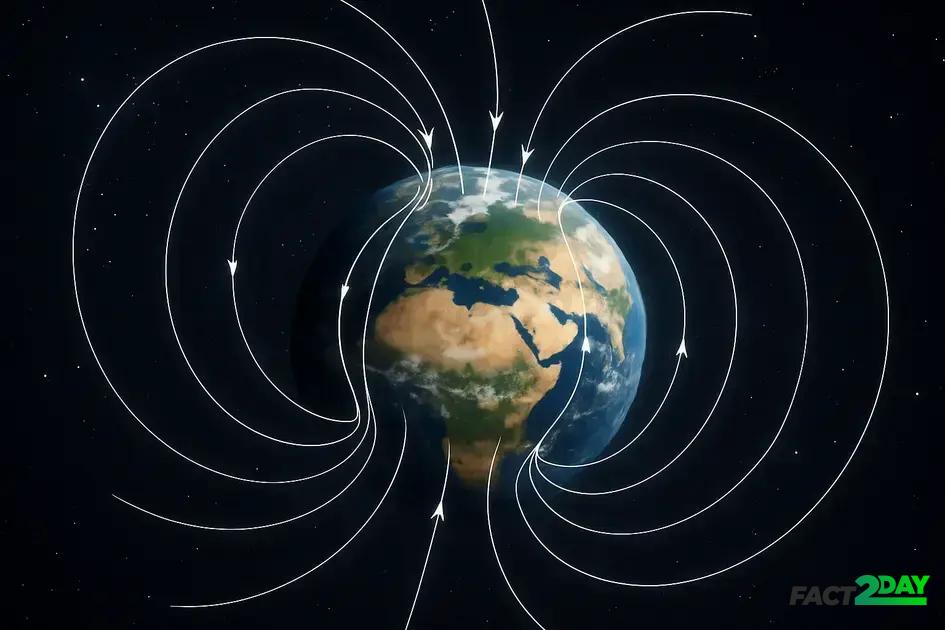
Earth’s magnetic field reversal is a natural process where the planet’s magnetic poles switch places over thousands of years, affecting navigation, technology, and increasing radiation exposure during the transition.
Earth’s magnetic field reversal might sound like science fiction, but it’s a natural pulse of our planet’s rhythms. Ever wondered what happens when the poles flip? Let’s walk through this curious, slow dance of Earth’s magnetism together.
understanding earth’s magnetic field and its flip
The Earth’s magnetic field is generated by the movement of molten iron within its outer core. This invisible shield protects us from harmful solar radiation and helps animals navigate. Magnetic field reversal happens when the magnetic poles slowly switch places, a process that takes thousands of years to complete.
How the magnetic field forms
Deep beneath the Earth’s surface, convection currents in the liquid outer core create electric currents, resulting in the magnetic field. This field extends far into space and behaves like a giant bar magnet with a north and south pole.
What causes the poles to flip?
Over time, the flow of molten iron changes, weakening and shifting the magnetic field. Eventually, this leads to the poles reversing their positions. Scientists have discovered evidence of multiple past reversals in geological records, showing this is a natural cycle rather than a sudden event.
Frequency and duration of reversals
Reversals occur irregularly, typically every few hundred thousand years. The last reversal, called the Brunhes-Matuyama reversal, happened about 780,000 years ago. The flip itself can take thousands of years, during which the magnetic field weakens but never disappears completely.
Understanding this process helps us appreciate the Earth’s dynamic nature and prepares us for possible changes in our planet’s protective shield.
effects of a magnetic pole reversal on life and technology
A magnetic pole reversal can have notable effects on both life and technology. While the Earth’s magnetic field weakens during the reversal, increased solar and cosmic radiation reaches the surface, which can affect living organisms and modern electronics.
Impact on animal navigation
Many animals rely on Earth’s magnetic field for navigation. Birds, sea turtles, and whales use it to migrate thousands of miles. A shift or weakening in the magnetic field could temporarily confuse these species, disrupting migration patterns and behaviors, although most adapt over time.
Effects on human technology
Modern technology depends heavily on satellites and electrical systems. During a reversal, increased radiation can cause more frequent satellite malfunctions, GPS inaccuracies, and power grid disruptions. Engineers work to improve technology resilience to such space weather events.
Health considerations
Some studies suggest the increased radiation might have minor effects on humans, such as fluorescent light sensitivity or higher exposure to cosmic rays during flights. However, the Earth’s atmosphere still provides substantial protection during a reversal.
Understanding these impacts helps us prepare and adapt to challenges posed by the natural flipping of Earth’s magnetic poles.
the timeline and signs of magnetic field reversal
Magnetic field reversals do not happen overnight; they unfold over thousands of years. Scientists study the timeline and signs of these reversals using geological records found in ancient rocks and sediments, which reveal patterns of Earth’s magnetic history.
How long do reversals take?
The process of a full magnetic reversal can last anywhere from a few thousand up to 10,000 years. During this time, the magnetic field weakens, fluctuates, and eventually stabilizes with the poles swapped. This slow change helps life and technology gradually adapt to the shift.
Evidence from the past
Volcanic rocks and deep-sea sediments serve as natural recorders of Earth’s magnetic field. When lava cools, magnetic minerals align with the current magnetic field. Scientists track changes in these alignments to map out past reversals and estimate when the next might occur.
Signs to watch for
Before a complete reversal, the magnetic field shows signs of weakening and irregular fluctuations. The magnetic north pole may wander far from its usual spot. Modern satellites and observatories monitor these changes, offering clues about the Earth’s magnetic behavior.
By studying the timeline and signs, researchers aim to better predict future reversals and their potential impacts on our planet.
Understanding Earth’s Magnetic Field Reversal
Earth’s magnetic field reversal is a natural, slow process that has happened many times throughout our planet’s history. While it may cause challenges for life and technology, it also reminds us of Earth’s dynamic nature.
By studying the causes, effects, and signs of magnetic field reversals, scientists help us prepare and adapt to these changes. With ongoing research and monitoring, we can better understand how our magnetic shield influences life and the technology we rely on every day.
Staying informed about magnetic reversals shows the incredible forces shaping our planet and the resilience needed to face them.