When NPCs Got Smart: Games That Surprised Players with AI
Dynamic NPC behavior reshaped gaming by adding unpredictable, immersive experiences that keep players engaged and eager to explore.
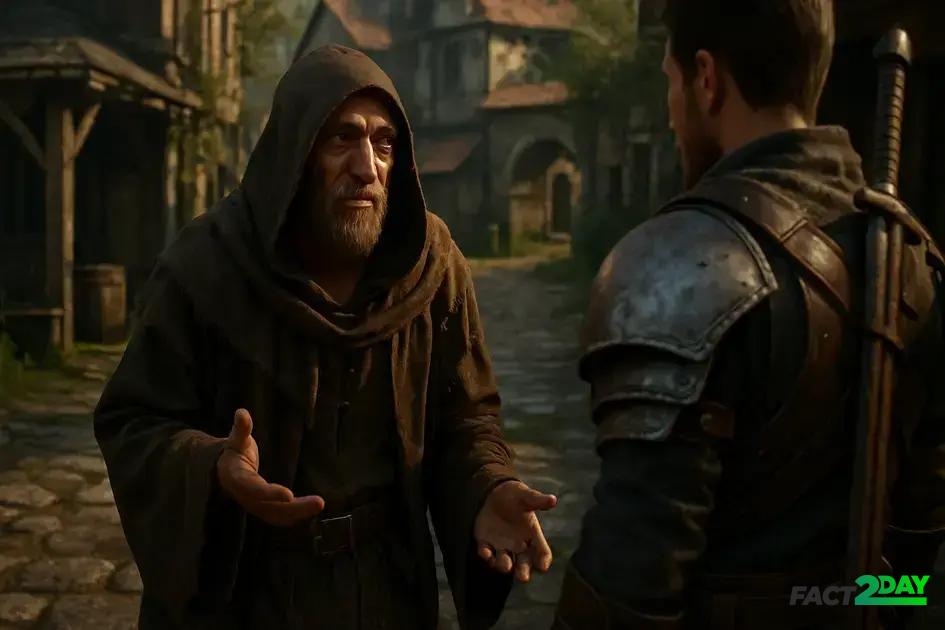
Dynamic NPC behavior enables game characters to adapt, react, and learn from player actions, creating immersive, unpredictable, and personalized gaming experiences.
Have you ever wondered how dynamic NPC behavior transforms your gaming world? These smart characters surprise us, making games feel alive and unpredictable in ways we’ve never seen before.
what is dynamic NPC behavior and why it matters
Dynamic NPC behavior refers to the ability of non-player characters in games to react and adapt to player actions and changing environments. Unlike static NPCs, which follow fixed patterns, dynamic NPCs offer unpredictable and varied responses, making gameplay richer and more immersive.
Why dynamic behavior matters
This type of NPC design increases the replay value of games because players encounter different scenarios each time. It creates a more realistic world where characters feel alive, responding to threats, forming alliances, or changing their goals based on the player’s choices. This unpredictability enhances player engagement and emotional investment.
Developers use dynamic NPCs to challenge players and encourage creative problem-solving. When NPCs react logically to the game’s evolving state, it simulates real interactions and makes the game world feel organic.
Overall, dynamic NPC behavior transforms traditional gaming experiences by introducing a sense of surprise and depth, encouraging players to explore and adapt rather than memorize fixed patterns.
how AI changes the way NPCs interact
Artificial Intelligence revolutionizes how NPCs interact by enabling complex decision-making and real-time adaptation. Instead of following preset scripts, NPCs powered by AI analyze player actions and environmental variables to respond uniquely every time.
Enhanced responsiveness
AI allows NPCs to recognize a player’s choices and change their behavior accordingly. This means they can cooperate, compete, or even deceive, depending on the context. Such variability creates richer and more believable interactions.
Learning and adapting
Many games use machine learning techniques that let NPCs adapt over time. For example, enemies might learn players’ attack patterns and adjust their strategies. This makes gameplay more challenging and less predictable.
AI-driven NPCs also contribute to emotional engagement. When players sense NPCs have awareness and nuanced reactions, they feel more connected to the story and world.
Overall, AI transforms NPC interactions from simple triggers into dynamic exchanges, making games feel responsive and immersive.
games that pioneered dynamic NPC behavior
Several games have paved the way for dynamic NPC behavior, transforming player expectations and game design. Titles like “The Elder Scrolls III: Morrowind” introduced NPCs with daily schedules, making the game world feel alive and routine-driven.
Notable pioneers
“F.E.A.R.” showcased enemies that used advanced tactics like taking cover and flanking, adding tension and realism to combat. Similarly, “Shadow of Mordor” featured the Nemesis system, where NPCs remembered player interactions and adapted their behavior over time.
Early RPGs like “Ultima IV” also experimented with NPCs that reacted to player morality, creating consequences for player choices. These innovations set the foundation for AI-driven NPC complexity in modern games.
By blending programming breakthroughs with storytelling, these games raised the bar for player immersion and interaction. Their legacy is visible in how developers now approach NPC AI with an emphasis on unpredictability and personality.
the psychology behind smarter NPCs
The psychology behind smarter NPCs focuses on making characters behave in ways that feel natural and relatable to players. By simulating basic human traits like fear, curiosity, and cooperation, NPCs can respond realistically to situations.
Understanding player expectations
Players expect NPCs to have believable motives and reactions. When NPCs show emotional responses such as suspicion or friendliness, it increases immersion. Developers often use psychological models to predict how NPCs should react based on context.
Behavioral patterns and decision-making
Smarter NPCs often use simplified versions of human decision-making. They may weigh risks, use memory of past encounters, and change tactics. For example, an NPC might avoid conflict if outmatched or call for help when threatened.
These behaviors tap into basic psychology to create a sense of intelligence. It encourages players to think strategically and emotionally when interacting with NPCs, deepening the gameplay experience.
challenges developers face with AI-driven NPCs
Developers face many challenges when creating AI-driven NPCs. One major issue is balancing complexity and performance. Advanced AI behaviors require more processing power, which can slow down the game if not optimized well.
Maintaining believability
Another challenge is ensuring NPCs behave in ways that feel natural. Overly complex AI can lead to unpredictable or frustrating actions, which can break immersion. Developers must carefully design NPC decision-making to avoid these pitfalls.
Handling player unpredictability
Players often find creative strategies that developers didn’t anticipate. AI must adapt to unexpected actions while still following game rules. This requires robust programming and extensive testing.
Debugging AI issues is also difficult because NPC behavior can be inconsistent and context-dependent. Developers need advanced tools to analyze how AI makes decisions and fix bugs efficiently.
player reactions to evolving NPC behavior
Players often react with surprise and excitement when NPCs demonstrate evolving behavior. Dynamic NPCs can challenge player expectations by adapting tactics, forming alliances, or changing their attitude based on past encounters.
Increased engagement and immersion
When NPCs act unpredictably, players feel more involved and emotionally connected to the game world. This depth encourages exploration and experimentation, as no two interactions are exactly alike.
Positive and negative emotions
Players may feel thrilled by clever NPC strategies or frustrated by unexpected setbacks. Both reactions show that evolving NPC behavior adds complexity and realism, making victories more rewarding and challenges more meaningful.
Furthermore, evolving NPCs can create memorable story moments that players discuss and share, increasing the game’s replay value and social appeal.
the future of NPCs in gaming
The future of NPCs in gaming looks promising as technology continues to evolve. With advances in artificial intelligence, NPCs will become smarter, more lifelike, and capable of deeper interactions with players.
More realistic behavior
Future NPCs will use improved AI models to demonstrate emotions, learn from player actions, and adapt strategies during gameplay. This will create highly immersive worlds where NPCs feel truly alive.
Integration with virtual reality
As virtual reality (VR) grows, NPCs will be essential in providing engaging, responsive experiences. They can react to player gestures, voice commands, and environmental changes, increasing immersion and storytelling depth.
Developers are also exploring procedural generation to create NPCs with unique traits and backstories that evolve over time, ensuring no two playthroughs are the same.
The future will bring NPCs that not only support gameplay but also enrich narratives, making games more dynamic, emotional, and personalized.
how dynamic NPC behavior enhances game storytelling
Dynamic NPC behavior plays a crucial role in enhancing game storytelling by making characters feel more alive and responsive. When NPCs react differently based on player choices, the story becomes personalized and meaningful.
Creating branching narratives
With dynamic NPCs, games can offer branching storylines where player decisions influence NPC attitudes, alliances, and actions. This results in multiple possible outcomes and encourages players to explore different paths.
Emotional connection and immersion
NPCs that show realistic reactions—such as fear, trust, or betrayal—help players connect emotionally to the narrative. These reactions add depth and make the story more engaging and memorable.
Additionally, dynamic NPCs can react to world events and player behavior, making the game feel like a living story rather than a fixed script. This boosts replayability as players experience unique stories each time.
Wrapping up the impact of dynamic NPC behavior
Dynamic NPC behavior is changing the way players experience games by making worlds feel more alive and interactive. These smarter characters challenge players and keep gameplay fresh and exciting.
As AI continues to improve, NPCs will become even more responsive, deepening storytelling and player connection. Embracing this evolution opens new possibilities for game developers and players alike.
Getting familiar with these changes can help you appreciate and enjoy the rich, immersive worlds that dynamic NPC behavior creates.