How Desert Plants Collect Water from Fog
Discover how desert fog harvesting allows plants to thrive by capturing water from the air in harsh, arid environments.
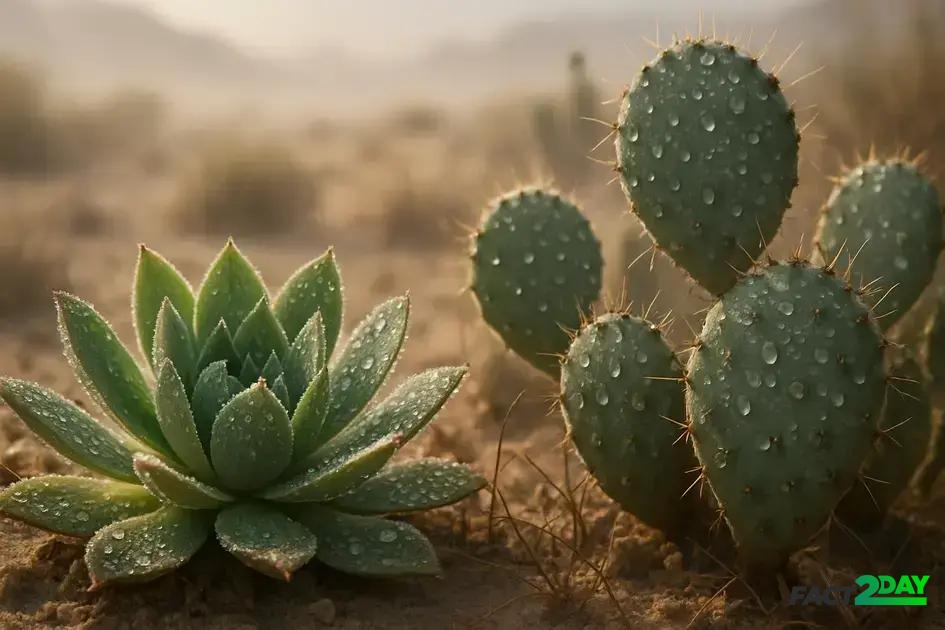
Desert fog harvesting is the process by which desert plants collect water from fog droplets using specialized leaf surfaces and structures, allowing them to survive in arid environments by capturing moisture that condenses and flows to their roots.
Have you ever wondered how some plants survive in dry deserts? Desert fog harvesting lets them collect precious water from the misty air, a remarkable natural feat worth exploring.
understanding desert fog harvesting
Desert fog harvesting is a fascinating natural process where moisture from fog is collected and used as a water source. In dry desert environments, where rain is scarce, fog can provide a crucial supply of water. This happens when tiny water droplets suspended in the air settle on surfaces like leaves and stems. These droplets then gather and move down to the plant’s roots, helping the plant survive harsh conditions.
How Fog Forms in Deserts
Fog in desert regions forms when moist air cools down near the ground overnight. Even if there is little rain, this moisture can create a thick mist. This mist contains microscopic water droplets that float close to the earth’s surface. For many desert plants, this is a hidden but vital water source.
The Role of Plant Surfaces in Harvesting Fog
Many desert plants have specialized surfaces that capture fog better than regular leaves. They may have fine hairs, waxy coatings, or rough textures that encourage water droplets to cling. This adaptation increases the amount of water collected from the air. Once captured, the water travels to the plant’s roots where it is absorbed and used to maintain the plant’s life processes.
Importance of Desert Fog Harvesting
This natural harvesting system allows plants to thrive in places where water is nearly absent. It supports not just individual plants, but entire ecosystems. Additionally, the presence of vegetation helps stabilize the soil and prevent erosion, which is vital in desert areas.
mechanisms desert plants use to capture water
Desert plants have evolved unique mechanisms to capture water from fog, allowing them to survive in arid environments. One common technique involves specialized leaf surfaces that encourage water droplets to form and collect. These leaves often have fine hairs or a waxy coating that helps water cling and funnel down towards the roots.
Leaf Surface Adaptations
Some plants feature microstructures like tiny hairs or grooves on their leaves. These structures increase surface area and create points where fog droplets can condense. The water then merges into larger drops that slowly slide down the plant, reaching the soil.
Trichomes and Waxy Coatings
Trichomes, which are small hair-like projections, can trap moisture and reduce evaporation. Waxy coatings prevent water from evaporating too quickly, enabling plants to retain captured fog droplets longer. These adaptations improve the efficiency of fog water collection.
Root Systems and Water Absorption
After water is collected on the plant surface, it travels down to the roots. Many desert plants have shallow but widespread root systems that quickly absorb moisture. This allows them to take advantage of any water dripping from fog and rare rainfalls.
types of desert plants practicing fog harvesting
Several types of desert plants have adapted to collect water from fog, using it as a vital resource for survival. One well-known example is the bromeliad, which has leaves arranged in a way that collects fog droplets and channels them into a central reservoir.
Cacti and Succulents
Cacti often have ribbed or spined surfaces that trap fog moisture. The spines can capture tiny drops of water, which then move down to the plant’s base. Succulents store water in their thick leaves, and many also use fog harvesting to supplement this storage.
Desert Shrubs
Certain shrubs have small, hairy leaves that help trap fog droplets. These hairs create a micro-environment to hold moisture longer. Some shrubs direct water towards their root zones, maximizing absorption after fog events.
Mosses and Lichens
Though less common, mosses and lichens on rocks in deserts can also absorb moisture from fog. Their porous surfaces allow them to quickly soak up water which supports their growth in tough ecosystems.
ecological importance of fog harvesting in deserts
Fog harvesting plays a crucial role in supporting desert ecosystems. It provides a consistent source of water where rainfall is limited, helping plants and animals survive extreme conditions. By capturing moisture from fog, plants can maintain their growth, which in turn supports the broader food web.
Supporting Biodiversity
Desert fog harvesting aids in sustaining diverse species. Plants that collect fog water create habitats and food sources for insects, birds, and small mammals. This water input helps maintain biodiversity despite the harsh environment.
Soil Stability and Erosion Control
Vegetation sustained by fog harvesting also plays a key role in preventing soil erosion. Plant roots bind the soil, reducing the impact of wind and occasional rains. This stabilizes soil and preserves the fragile desert landscape from degradation.
Microclimate Regulation
The presence of fog-harvesting plants can modify local climate conditions by increasing humidity and providing shade. These effects create microclimates that benefit other organisms and help sustain life in desert regions.
challenges desert plants face in fog harvesting
Desert plants face several challenges when relying on fog harvesting as a water source. One major issue is the inconsistency of fog. Fog does not form every day, and its density can vary greatly, limiting the water available for plants.
Environmental Stress
Plants must endure extreme heat, strong winds, and dry air, which can quickly evaporate the water they capture. These conditions make it hard to retain enough moisture for survival.
Physical Limitations
Not all plant surfaces are equally efficient at capturing fog. Some plants may lack the specialized structures needed to attract and hold water droplets, reducing their ability to benefit from fog. Additionally, dust and sand can cover leaves, blocking water absorption.
Competition for Water
In areas where fog harvesting is vital, plants often compete for the limited moisture. This competition can affect growth and reproduction, especially in dense plant populations.
how humans learn from desert fog harvesting
Humans have studied desert fog harvesting to develop innovative ways to collect water in dry areas. By mimicking plant surfaces, researchers create materials that capture water from fog, providing an alternative water source. This technique is called biomimicry.
Fog Nets and Water Collection
One common method inspired by desert plants is the use of fog nets. These large mesh nets catch fog droplets and guide them into storage tanks. Fog nets have been deployed in places like Chile and Morocco, supplying clean water to communities.
Materials Inspired by Nature
Scientists design surfaces with special coatings and textures similar to plant leaves. These surfaces help water droplets form and slide down efficiently, maximizing water collection. Such materials could be used in water harvesting devices and building designs in arid regions.
Sustainable Water Solutions
Learning from desert fog harvesting offers sustainable solutions to combat water scarcity. These technologies require minimal energy and can function in remote areas where traditional water supply is limited. This natural inspiration is changing the way we think about water access.
Understanding the power of desert fog harvesting
Desert fog harvesting is a remarkable natural process that helps plants survive in the driest places. By learning how these plants collect water from fog, humans can develop new ways to gather water sustainably.
This knowledge offers hope for improving water access in arid regions. With continued research and innovation inspired by nature, fog harvesting can become an important tool in fighting water scarcity worldwide.