Oases in the Abyss: Thriving Ecosystems Around Deep-Sea Hydrothermal Vents
Discover how Deep Sea Hydrothermal Vents Ecosystems create vibrant, unique life forms in the darkest ocean depths, defying all odds.
The Legacy of MissingNo.: From Glitch to Gaming Icon
MissingNo. started as a bug—a strange visual glitch that no one expected. But it quickly became something much bigger. Players embraced it for the power it gave them, turning a simple error into a legendary part of gaming culture.
This glitch showed how unexpected moments can shape a game’s legacy, creating memories and stories that last years after the game’s release. MissingNo. isn’t just a glitch; it’s a symbol of how gamers find magic in the most unlikely places.
So next time you find a weird glitch, remember: it might just be the start of your own gaming legend.
Deep Sea Hydrothermal Vents Ecosystems might sound like sci-fi stuff, but these underwater oases are real and bursting with strange life. Ever wondered how creatures survive without sunlight? Let’s dive into these abyssal mysteries together.
What are deep-sea hydrothermal vents?
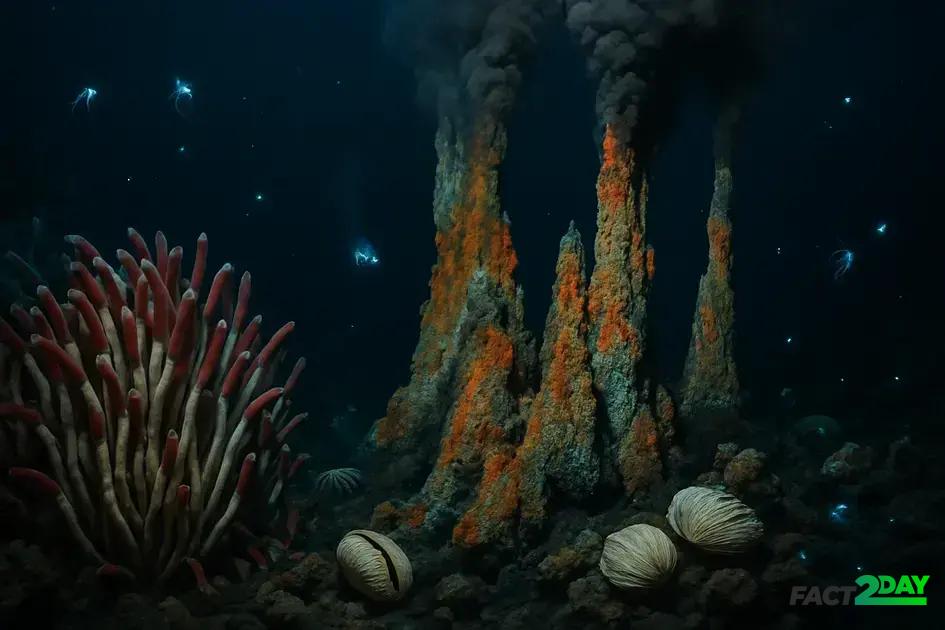
Deep-sea hydrothermal vents are openings on the ocean floor where hot, mineral-rich water escapes from beneath the Earth’s crust. These vents are often found along mid-ocean ridges and volcanic hotspots where tectonic plates move apart or interact. The expelled water can reach temperatures over 700°F (370°C), but the extreme pressure in the deep ocean prevents it from boiling. This superheated water carries dissolved chemicals such as hydrogen sulfide, methane, and metals, which support unique forms of life.
Unlike most ecosystems that rely on sunlight for energy, hydrothermal vents create an ecosystem based on chemosynthesis. Microorganisms convert the chemicals from vent fluids into organic matter, serving as the primary producers. This process enables entire communities of organisms to thrive in complete darkness, including tubeworms, clams, crabs, and shrimp. These creatures have special adaptations to live in such harsh conditions, where extreme temperatures and toxic chemicals are common.
Hydrothermal vents play a critical geological role by cycling chemicals between the Earth’s interior and the ocean. They also contribute to the formation of mineral deposits on the seafloor. The discovery of these vents in the late 1970s transformed the understanding of life’s potential, showing ecosystems can flourish without sunlight and challenging long-held beliefs about life’s limits.
Formation and geological significance
Hydrothermal vents form where seawater seeps into cracks in the ocean floor, heats up by contact with magma, and then rises back through the crust. This heated water dissolves minerals and metals from surrounding rocks, creating mineral-rich fluids that emerge as vents. The process usually occurs along mid-ocean ridges, where tectonic plates are moving apart, and volcanic activity is common.
The geological significance of hydrothermal vents is profound. They play a key role in the cycling of elements like sulfur, iron, and manganese between the Earth’s crust and the ocean. This process influences ocean chemistry and supports unique ecosystems that are independent of sunlight.
These vents also contribute to the formation of massive sulfide deposits, which contain valuable metals such as copper, zinc, and gold. Studying vent formation helps scientists understand plate tectonics, volcanic activity, and the Earth’s internal heat flow. By mapping and analyzing vents, researchers gain insight into the dynamic processes shaping our planet’s ocean floors.
Chemosynthesis: Life without sunlight
Chemosynthesis is the process by which certain organisms produce energy by converting chemicals, instead of sunlight, into organic matter. This is vital for deep-sea hydrothermal vent ecosystems where no sunlight reaches. Microbes around vents use chemicals such as hydrogen sulfide and methane, present in vent fluids, as energy sources.
These microbes form the base of the food chain in these dark environments. They convert gases and minerals into food through chemical reactions, supporting a variety of animals. Without photosynthesis, chemosynthesis allows complex communities to thrive in extreme and otherwise lifeless zones.
Animals living near vents, like tubeworms and clams, rely on symbiotic relationships with chemosynthetic bacteria. These bacteria live inside their tissues, providing nutrients directly to their hosts. This unique way of producing energy shows how life can adapt and survive in harsh conditions, expanding our understanding of biology and the limits of life on Earth.
Key species thriving in vent ecosystems
Several unique species thrive around deep-sea hydrothermal vents, adapted to survive extreme conditions of heat, pressure, and toxic chemicals. Tubeworms are among the most iconic vent species. They have no digestive system and depend entirely on symbiotic bacteria living inside their bodies to convert vent chemicals into energy.
Other important species include giant clams, vent crabs, and shrimp. These animals either host chemosynthetic bacteria or feed on the bacteria-rich environment. Vent crabs have strong claws to grasp substrates and hunt slow-moving prey, while shrimp are often seen swarming near vent openings.
Microbial mats of bacteria and archaea cover many surfaces, forming the base of the food web. These microorganisms use chemosynthesis to produce organic matter, sustaining more complex life forms. The biodiversity here is surprising given the harsh environment, revealing a complex and interdependent community.
Some species exhibit remarkable adaptations, like tolerance to toxic sulfide levels and ability to withstand sudden temperature changes. Studying these species helps scientists understand evolution and life’s ability to thrive in extreme places.
Energy flow and food webs around vents
The energy flow in deep-sea hydrothermal vent ecosystems begins with chemosynthetic bacteria that convert inorganic chemicals into organic compounds. These bacteria act as primary producers, forming the base of the food web. Unlike most ecosystems that rely on sunlight, vents depend on chemical energy from minerals like hydrogen sulfide and methane.
This energy supports a variety of consumers, including small grazers like mussels and gastropods that feed on microbial mats. Predators such as vent crabs and fish feed on these grazers, creating a complex food web adapted to extreme environments.
Symbiotic relationships are common and vital in transferring energy. For example, tubeworms host chemosynthetic bacteria inside their tissues, receiving nutrients directly, while providing the bacteria with a stable environment.
Energy transfer efficiency can be high near vents due to the dense biomass of microbes and animals. However, the food chain remains relatively short compared to surface ecosystems. This specialized energy flow allows for thriving communities in total darkness, under high pressure, and extreme temperatures.
Adaptations of vent organisms
Organisms living near deep-sea hydrothermal vents have evolved remarkable adaptations to survive extreme pressures, high temperatures, and toxic chemicals. Many, like tubeworms and vent clams, depend on symbiotic relationships with chemosynthetic bacteria to gain nutrients in an environment without sunlight.
Heat tolerance is a key adaptation. Some vent animals can withstand temperatures exceeding 200°F (93°C) near vent openings. Special proteins in their cells help protect them from heat damage and chemical toxicity.
To cope with low oxygen levels, vent species have developed efficient respiratory systems. For example, vent crabs and shrimp have adapted limbs and gills suited for oxygen-poor water. Many also have protective shells or tough exoskeletons to defend against predators and harsh chemicals.
Chemical sensing abilities help organisms detect vent fluids rich in nutrients and avoid hazards. Behavioral adaptations include clustering near vents to gain maximum benefit from chemosynthetic bacteria while avoiding lethal exposure to vent toxins.
These adaptations show how life can flourish under conditions once thought uninhabitable, offering valuable insights into evolution and survival mechanisms in extreme environments.
Role of microbes in vent communities
Microbes play a fundamental role in deep-sea hydrothermal vent communities. They act as primary producers through chemosynthesis, converting chemicals like hydrogen sulfide and methane into energy and organic matter that supports the entire ecosystem.
These microbes form dense mats covering rocks and surfaces around vents, providing food for a range of animals. Some live inside vent animals such as tubeworms and clams, forming symbiotic relationships where the microbes supply essential nutrients directly to their hosts.
Bacteria and archaea in vent environments carry out vital biochemical processes that influence the cycling of elements like sulfur, nitrogen, and carbon. This cycling maintains the chemical balance around vents and supports diverse life forms.
Microbial activity also helps detoxify harmful chemicals by transforming them into less toxic forms, creating a more habitable environment for other organisms. Their adaptability to harsh conditions makes microbes key players in sustaining the unique and complex vent ecosystems.
Impact of vents on ocean chemistry
Hydrothermal vents significantly impact ocean chemistry by releasing mineral-rich fluids into the surrounding seawater. These fluids contain dissolved metals like iron, manganese, and copper, along with gases such as hydrogen sulfide. When the hot vent water mixes with the cold ocean water, it alters the chemical composition locally.
This process adds essential nutrients to the deep ocean, supporting microbial life that forms the base of vent ecosystems. The chemicals vented help drive chemosynthesis, enabling unique biological communities to thrive where sunlight never reaches.
Vents also contribute to global biogeochemical cycles by cycling elements between the Earth’s crust and oceans. They influence the levels of carbon, sulfur, and other key elements, playing a role in regulating climate and ocean health.
Moreover, mineral deposits created by vent activity form unique geologic features on the seafloor. These deposits can contain valuable metals, making vents a subject of interest for mineral resource studies.
Threats and conservation challenges
Deep-sea hydrothermal vent ecosystems face several threats despite their remote location. Human activities like deep-sea mining pose one of the greatest risks by disturbing vent habitats and potentially causing irreversible damage to these fragile communities. Mining targets mineral-rich deposits around vents, which are slow to form and vital for ecosystem stability.
Climate change can also impact these ecosystems indirectly by altering ocean temperatures, acidity, and currents, which affects the distribution of vent species and the chemistry of vent fluids. Pollution, including plastic waste and chemical contaminants, can accumulate even in deep-sea environments, threatening microbial communities and larger organisms.
Conservation challenges include the difficulty of monitoring and protecting deep-sea vents due to their extreme depth and inaccessibility. Limited knowledge about these ecosystems makes it harder to assess human impacts fully or to design effective protected areas.
International cooperation and advances in deep-sea technology are essential to study, manage, and conserve vent environments. Developing sustainable policies will help minimize human impact and preserve these unique oases in the ocean abyss for future generations.
Exploration technologies for deep-sea vents
Exploring deep-sea hydrothermal vents requires advanced technologies due to the extreme pressure, darkness, and depth of these environments. Remotely operated vehicles (ROVs) and autonomous underwater vehicles (AUVs) are common tools. These robotic submarines can navigate the ocean floor, capture high-resolution images, collect samples, and measure environmental conditions.
Submersibles with human pilots allow direct observation and sampling. These manned vehicles are equipped with robotic arms and specialized sensors, enabling scientists to study vents up close while withstanding harsh conditions.
Innovative sensors detect chemical compositions, temperature changes, and microbial activity. Imaging technologies use powerful lights and cameras to reveal vent structures and surrounding life with great detail.
Advancements in deep-sea navigation, communication, and energy storage continue to improve the duration and reach of exploratory missions. Together, these technologies unlock valuable insights about vent ecosystems, their biology, and their geological context.
Symbiotic relationships in vent ecosystems
Symbiotic relationships are crucial for survival in hydrothermal vent ecosystems. Many vent organisms, like tubeworms and clams, host chemosynthetic bacteria inside their bodies. These bacteria convert chemicals from vent fluids into nutrients, providing energy for their hosts in an environment lacking sunlight.
This mutualism benefits both partners: the bacteria gain a safe habitat and steady access to chemicals, while the animals receive organic compounds for growth and energy. Such partnerships allow complex life to thrive under extreme conditions.
Other symbiotic relationships include shrimp and crabs that rely on microbes living on their surfaces or in their digestive systems to help process toxic chemicals and aid nutrition. These interactions enhance survival and help maintain the stability of vent communities.
Symbiosis in vent ecosystems highlights nature’s ability to adapt and cooperate, forming tightly knit communities where energy and nutrients are efficiently recycled among species.
Comparisons with other marine ecosystems
Deep-sea hydrothermal vent ecosystems differ greatly from other marine ecosystems. Unlike coral reefs or kelp forests that rely on sunlight and photosynthesis, vent communities depend on chemosynthesis carried out by bacteria using chemicals from the Earth’s crust. This allows life to thrive in complete darkness.
In terms of biodiversity, vents host specialized species adapted to extreme heat, pressure, and toxicity. While fish and invertebrates are found in all marine ecosystems, vent animals often have unique features like symbiotic relationships with bacteria or heat-resistant proteins.
Unlike shallow-water ecosystems where energy flows from the sun through plants to herbivores and predators, vent ecosystems have a shorter food chain starting with microbial chemoautotrophs. This energy base is less efficient but supports dense biological communities in small areas.
Vents are generally more transient and patchy compared to stable ecosystems like coral reefs. They form and disappear due to geological activity, making their communities dynamic and specialized for rapid colonization.
Potential biotechnological applications
Deep-sea hydrothermal vent organisms offer exciting potential for biotechnological applications due to their unique adaptations to extreme environments. Enzymes from vent microbes are highly heat-stable and resistant to chemicals, making them useful for industrial processes that require extreme conditions.
Scientists study vent bacteria for their ability to produce novel bioactive compounds, including antibiotics and anti-cancer agents. These compounds may provide new treatments for diseases, especially as antibiotic resistance rises.
Vent organisms also inspire advances in biomaterials, such as heat-resistant proteins and unique biominerals. These materials can lead to new technologies in medicine, manufacturing, and environmental remediation.
Genetic studies of vent life reveal mechanisms of stress tolerance and symbiosis that could enhance agricultural and medical research. As exploration continues, vents remain promising sources of innovation for biotechnology and pharmaceuticals.
Future research and exploration directions
Future research on deep-sea hydrothermal vents aims to uncover unknown species and better understand ecosystem dynamics. Scientists are developing advanced technologies for longer and more detailed explorations, including improved autonomous vehicles and in situ sensors that can monitor environmental changes in real-time.
Genomic and microbiome studies are expanding knowledge about the genetic diversity and metabolic capabilities of vent organisms. This research could reveal new biochemical pathways and adaptations that help life survive extreme conditions.
Another focus is understanding how vent communities respond to environmental threats like climate change and human impacts. Long-term monitoring programs aim to track changes in these fragile ecosystems over time.
Collaboration across disciplines and international partnerships will be essential for exploring the vast deep ocean sustainably. These efforts will not only deepen scientific knowledge but also inform conservation and management strategies to protect these unique biological oases.
Understanding the Importance of Deep-Sea Hydrothermal Vent Ecosystems
Deep-sea hydrothermal vents reveal how life can thrive in extreme and dark environments, challenging our ideas about where life can exist. These ecosystems depend on unique chemical processes and fascinating symbiotic relationships among species.
Research and technology continue to uncover new species and biological secrets, opening doors for biotechnological advances and improved conservation methods. Protecting these fragile and rare habitats is crucial for preserving Earth’s biodiversity.
By studying and respecting these oases in the abyss, we gain valuable insights into the resilience of life and the complex connections within our planet’s oceans.