Giants of the Abyss: Unraveling the Mystery of Deep-Sea Gigantism
Explore the fascinating phenomenon of Deep Sea Gigantism and discover why some ocean creatures grow to extraordinary sizes in the deep abyss.
Reflecting on the Mysteries of Deep Sea Giants
The phenomenon of deep sea gigantism offers a unique glimpse into life’s incredible adaptability. These enormous creatures thrive in extreme environments by evolving special traits to survive high pressure, cold temperatures, and limited resources.
By studying these giants, scientists learn more about evolution, marine ecosystems, and the urgent need to protect deep-sea habitats. Advances in technology will continue to unlock the secrets of these mysterious animals.
Preserving the deep ocean is essential to maintain the balance of life beneath the waves and ensure these amazing creatures are part of our world for years to come.
Consider for a moment the mysterious world beneath the waves where Deep Sea Gigantism defies our usual expectations of life’s scale. Why do creatures in the ocean’s depths grow so remarkably large, and what secrets do they hold? Join me in unraveling this captivating enigma.
What is deep sea gigantism?
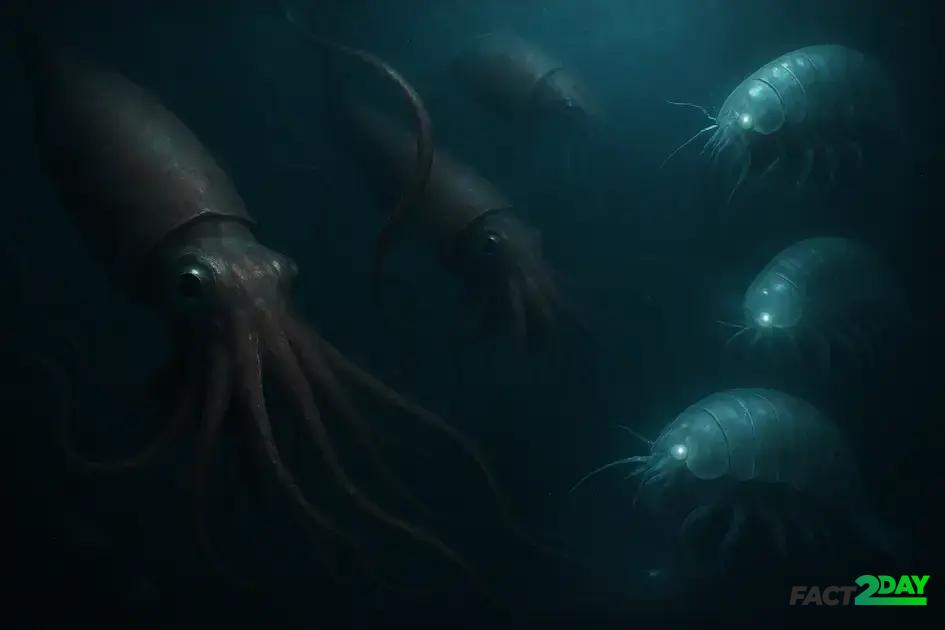
Deep sea gigantism refers to the phenomenon where some marine animals living in the deep ocean grow to sizes much larger than their shallow-water relatives. This unusual growth pattern has fascinated scientists for decades. Many species, such as giant squids and amphipods, exhibit this trait, growing several times bigger than similar species found near the surface.
The deep ocean is a harsh environment with high pressure, low temperatures, and limited food. Despite these challenges, some creatures thrive and grow large. Scientists believe that the extreme conditions of the deep sea slow down metabolism, allowing organisms to live longer and grow bigger. For example, the cold temperatures reduce metabolic rates, which in turn means these creatures use energy slowly, enabling continuous growth over many years.
Another factor is the scarcity of food which leads to slower development but larger adult size. This slow growth allows deep-sea animals to store enough energy to survive long periods without food. Additionally, less predation pressure in the deep ocean can allow animals to grow larger, as they face fewer threats compared to shallow waters.
Overall, deep sea gigantism is an adaptive response to the unique conditions of the abyss, creating some of the most fascinating and largest creatures on Earth.
The role of pressure and temperature in deep sea gigantism
The deep ocean is known for its extreme pressure and low temperatures, two key factors that influence deep sea gigantism. At depths of over 1,000 meters, pressure can reach more than 100 times the surface pressure. This intense pressure affects cellular functions and body structures, pushing animals to develop adaptations that allow them to survive and even grow larger.
Low temperature in deep-sea environments typically ranges from 2 to 4 degrees Celsius. This cold slows down metabolism and reduces energy needs, enabling animals to conserve resources and grow over longer lifespans.
Pressure Effects on Size
High pressure can increase the density of body fluids and alter protein structures, requiring larger and stronger bodies for support. This might be why some species evolve larger sizes to maintain structural integrity under such conditions.
Temperature and Metabolic Rate
Colder temperatures decrease metabolic rates, which extends growth periods. Animals don’t burn energy quickly and can accumulate more mass steadily. This slow growth also helps deep-sea creatures survive the scarcity of food.
Overall, the interaction between pressure and temperature creates an environment where growing large is advantageous for survival and reproductive success in the deep sea.
Why do some marine species grow larger in the abyss?
Some marine species grow larger in the abyss due to a combination of environmental factors and evolutionary adaptations. The deep ocean presents unique challenges like scarce food, high pressure, and cold temperatures. These conditions have shaped animals to maximize their survival by developing larger sizes.
One key reason is that larger bodies help store more energy, which is crucial in a food-limited environment. Bigger animals can survive longer without eating, giving them an advantage over smaller species.
Adaptation to High Pressure and Cold
Larger size also helps some animals withstand the immense pressure of the deep sea. Their bodies are often more robust and better equipped to deal with crushing forces. In cold waters, being bigger helps reduce heat loss, conserving energy and maintaining vital functions.
Reproductive Advantages
Additionally, giant size may help species reproduce more effectively. Larger animals can produce more offspring or protect their young better, increasing the chances of survival in harsh environments.
These evolutionary benefits explain why certain species have grown to impressive sizes in the abyss, creating some of the most fascinating giants of the ocean.
Evolutionary theories behind gigantism in deep-sea creatures
Several evolutionary theories try to explain why gigantism occurs in deep-sea creatures. One popular idea is that slow metabolism due to cold temperatures allows these animals to live longer and grow larger over time. The deep sea’s cold environment reduces energy use, extending life spans and growth periods.
Predation Pressure Hypothesis
Another theory suggests that larger size helps animals avoid predators or compete for mates more successfully. In the dark depths, being bigger can be a survival advantage where food and mates are scarce.
Resource Scarcity and Growth
Resources in the deep sea are limited, which encourages slow growth but can lead to a larger final size. This slow but steady growth supports long-term survival in a habitat where food may be rare for long periods.
Genetic factors also play a role, with some species evolving genes that promote larger bodies to adapt better to these harsh conditions. These evolutionary strategies together help explain why giants of the abyss exist.
Examples of giant deep-sea animals and their adaptations
The deep sea hosts a variety of giant animals adapted to survive in extreme conditions. One famous example is the giant squid, which can grow up to 43 feet long. It has large eyes to detect faint light and long tentacles to catch prey in the darkness.
Colossal Squid
The colossal squid is even larger and has sharp hooks on its tentacles to better grasp slippery prey. Its body is built to withstand the immense pressure and cold temperatures of the deep ocean.
Giant Isopods
Giant isopods resemble oversized pill bugs and can reach up to 2.5 feet in length. They have strong exoskeletons to protect against predators and can survive long periods without food by slowing their metabolism.
Amphipods
Deep-sea amphipods can grow much larger than their shallow-water relatives. Their large size helps in energy storage and survival in nutrient-poor conditions.
Other examples include deep-sea jellyfish with large bells and long tentacles, as well as sea spiders with elongated legs. These adaptations help these giants thrive in the abyss’s harsh environment.
The impact of deep sea gigantism on marine ecosystems
Deep sea gigantism plays a significant role in shaping marine ecosystems. These large creatures often occupy key positions in the food web, acting as top predators or important scavengers. Their size allows them to consume a wide variety of prey and recycle nutrients efficiently.
Role in Food Chains
Giant deep-sea animals control populations of smaller species by preying on them, which helps maintain balance within the ecosystem. Their presence ensures that no single species dominates the environment, supporting biodiversity.
Nutrient Cycling
Many giant species scavenge dead organic matter that sinks from upper ocean layers. This process contributes to nutrient recycling and supports deep-sea communities that rely on these resources for survival.
Energy Flow
Large body sizes in deep-sea animals influence energy flow by storing energy for longer periods and releasing it slowly. This makes the ecosystem more stable but also sensitive to changes like overfishing or pollution.
Overall, deep sea gigantism impacts many ecological processes, highlighting the importance of these giants in maintaining healthy marine ecosystems.
How scientists study deep sea gigantism: challenges and methods
Studying deep sea gigantism presents many challenges due to the ocean’s extreme depth and harsh conditions. Researchers use advanced technology such as remotely operated vehicles (ROVs) and submersibles to explore and collect samples from the deep ocean.
Remote Exploration Tools
ROVs and manned submersibles are equipped with cameras, lights, and robotic arms to observe and capture giant creatures without disturbing their natural habitat. These tools provide valuable data on size, behavior, and environment.
Sampling and Genetic Analysis
Scientists collect specimens to study their anatomy and genetics. DNA analysis helps uncover evolutionary links and understand how gigantism developed in these species.
Challenges in Deep-Sea Research
High pressure, low temperatures, and limited accessibility make field studies difficult and expensive. Maintaining the integrity of samples during retrieval is crucial to avoid damage from pressure changes.
Despite these obstacles, continued innovations in deep-sea technology are improving our understanding of deep sea gigantism and the mysterious giants that inhabit the abyss.
The connection between metabolism and body size in deep-sea life
The link between metabolism and body size in deep-sea creatures is key to understanding deep sea gigantism. In the cold, dark depths, metabolic rates are much slower than those of surface animals. This slow metabolism means these creatures use energy efficiently, conserving it over long periods.
How Metabolism Affects Growth
Lower metabolic rates allow deep-sea animals to grow larger because they need less energy to maintain bodily functions. They can live longer and grow steadily without exhausting resources quickly.
Energy Conservation
Energy conservation is crucial in the nutrient-poor environment of the deep sea. Big body size helps store more energy, supporting survival when food is scarce. This adaptation is important for animals facing long stretches without meals.
Slow Growth and Longevity
Slow metabolism also correlates with slower growth and greater longevity. Animals can spend years growing larger, which increases their chances of reproduction and survival in deep-sea ecosystems.
The connection between metabolism and size helps explain why many deep-sea creatures are giants compared to their shallow-water relatives.
The influence of scarce resources and slow growth rates
Scarce resources in the deep sea greatly affect the growth and size of marine creatures. Food is limited, often arriving as dead organic material sinking from upper ocean layers. This scarcity forces deep-sea animals to grow slowly and develop special adaptations to survive long periods without meals.
Slow Growth as an Adaptation
Slow growth rates help conserve energy in an environment where nutrients are rare. Many deep-sea species invest in growing larger over time, which helps them store more energy and withstand starvation.
Energy Storage and Survival
Large body size allows these animals to store fat and nutrients efficiently. This storage is vital for survival during long food shortages and for supporting reproductive processes.
Reproductive Strategy
Slow growth is also linked to prolonged lifespans, giving these animals more time to reproduce. This strategy increases the chances of species survival despite the challenging environment.
The combination of scarce resources and slow growth creates unique life histories for deep-sea giants, enabling them to thrive where others cannot.
Emotional and scientific fascinations with giant deep-sea creatures
Giant deep-sea creatures capture human interest both emotionally and scientifically. Their enormous size and mysterious habitats spark wonder and curiosity, fueling imaginations about the unknown depths of the ocean.
Emotional Fascination
Many people feel awe and fascination when learning about creatures like the giant squid or colossal isopods. These creatures challenge our understanding of life and remind us how much remains unexplored. The sense of mystery and rarity adds to their allure.
Scientific Interest
Scientists study these giants to learn about evolution, adaptation, and life in extreme environments. Understanding how these animals survive helps uncover broader ecological and biological principles.
The Role in Culture and Media
Giant deep-sea creatures often appear in books, films, and folklore, symbolizing the unknown and the power of nature. This cultural presence keeps public interest alive and supports funding for marine research.
The blend of emotional connection and scientific inquiry makes giant deep-sea creatures endlessly fascinating to people around the world.
Future research directions and the importance of preserving deep-sea habitats
Future research on deep sea gigantism will focus on understanding how environmental changes affect these unique creatures. Scientists aim to use advanced technologies to explore unexplored depths and gather more data on giant species and their ecosystems.
Technological Advances
Improvements in underwater vehicles, sensors, and imaging allow for deeper, longer, and more detailed studies. These tools help uncover how giant deep-sea animals adapt to their environment and respond to threats.
Conservation Importance
Preserving deep-sea habitats is critical as they are vulnerable to human activities such as deep-sea mining, pollution, and climate change. Protecting these habitats ensures the survival of gigantic species and maintains ecological balance.
Collaboration and Policy
Global cooperation among governments, scientists, and environmentalists is needed to create policies that regulate deep-sea exploitation and promote sustainable practices.
Ongoing research and conservation efforts are vital to safeguarding the mysterious giants of the abyss for future generations.
Understanding the Giants of the Abyss
Deep sea gigantism reveals how life adapts in one of Earth’s harshest environments. These giant creatures survive extreme pressure, cold temperatures, and scarce resources through unique adaptations.
Studying them helps us learn about evolution, ecology, and the importance of preserving deep-sea habitats. As technology advances, new discoveries will continue to uncover the mysteries of these fascinating giants.
Protecting the deep ocean ensures these creatures can thrive for generations to come, maintaining the balance of our planet’s vast and vital ecosystems.