Unveiling the Abyss: Latest Discoveries from the Mysterious Deep Sea
Deep-sea discoveries reveal fascinating creatures and landscapes from the ocean’s depths, inviting you to explore the unknown wonders below.
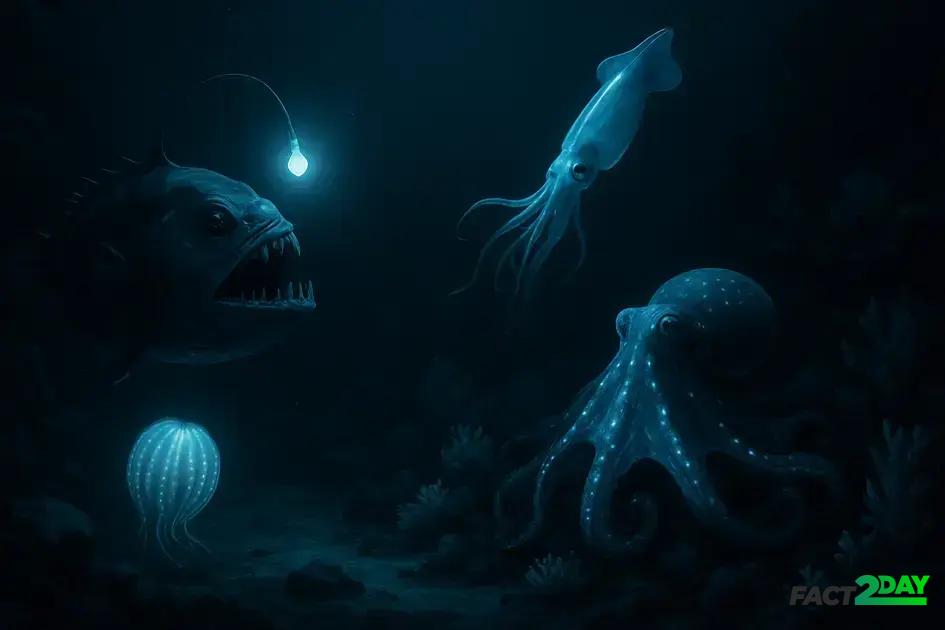
Deep-sea discoveries reveal unique species, adaptations, and ecosystems that deepen scientific knowledge of biodiversity, climate impact, and potential medical advances from ocean depths.
Deep-sea discoveries open a window into a hidden world beneath the waves. Have you ever wondered about the strange creatures and landscapes that thrive in complete darkness, far below the surface? Let’s dive into what scientists are uncovering in this mysterious abyss.
Exploring new marine species in the deep sea
The deep sea is home to an incredible variety of marine species that most people have never seen. Scientists use advanced submersibles and remote-operated vehicles to explore these dark and high-pressure environments. Many newly discovered creatures have unique adaptations like bioluminescence, transparent bodies, or elongated limbs to survive in extreme conditions.
Bioluminescent creatures and their role
Some deep-sea species produce their own light through chemical reactions, which helps them attract prey or communicate. These glowing patterns serve as both a defense mechanism and a way to find mates in the pitch-black surroundings, making bioluminescence one of the most fascinating features of deep-sea life.
Unusual physical adaptations
Deep-sea animals often have soft, flexible bodies to withstand intense pressure. Others exhibit large eyes to maximize scarce light or extendable jaws to capture rare food. These adaptations highlight how life can evolve to thrive in one of Earth’s most challenging habitats.
The technology behind deep-sea exploration
Modern deep-sea exploration relies on cutting-edge technology to reach and study the ocean’s darkest depths. Remotely operated vehicles (ROVs) and autonomous underwater vehicles (AUVs) allow scientists to explore areas unreachable by humans. Equipped with cameras, sensors, and robotic arms, these machines collect valuable data and samples from extreme environments.
Advanced sonar and imaging systems
Sonar technology maps the ocean floor by bouncing sound waves off underwater objects, creating detailed images of underwater landscapes. High-resolution cameras capture clear visuals even in total darkness, aiding the study of deep-sea habitats and creatures.
Pressure-resistant materials and design
Vehicles used in deep-sea missions must withstand immense pressure. This requires strong, lightweight materials like titanium and specially engineered seals to protect equipment. This technology enables longer missions and more reliable data collection at great depths.
How deep-sea discoveries impact our understanding of nature
Deep-sea discoveries greatly enhance our understanding of Earth’s ecosystems. By studying unique species and habitats found miles below the surface, scientists gain insights into biological diversity and evolutionary processes.
Insights into biodiversity and adaptation
The varied forms of life discovered in the deep sea challenge traditional knowledge about where life can exist. These findings reveal how organisms adapt to extreme pressure, cold temperatures, and darkness, broadening our view of survival strategies.
Implications for climate and environmental science
Exploring carbon cycles and deep-sea ecosystems helps scientists understand global climate patterns. The role of deep-sea organisms in recycling nutrients and carbon storage influences climate regulation and ocean health.
Advancing medicine and biotechnology
Many chemicals and enzymes found in deep-sea creatures offer potential for pharmaceutical and industrial use. Research on these unique compounds could lead to new medications and environmentally friendly technologies.
Understanding the significance of deep-sea discoveries
Exploring the deep sea uncovers new species and reveals how life can adapt to extreme conditions. It expands our knowledge of biodiversity and shows the intricate balance of ocean ecosystems.
These discoveries also influence how we understand climate change and offer promising resources for medicine and technology. As we continue to study the ocean’s depths, we gain valuable insights that can help protect our planet and inspire future innovations.
Deep-sea exploration reminds us of the vast mysteries still hidden beneath the waves and the importance of preserving this unique environment.