Toxic and Addictive: The Dark and Little-Discussed Side of the Online Gaming Community
Dark Side Online Gaming reveals the toxic behaviors and addictive patterns lurking in online communities, challenging how we game ethically today.
Consider for a moment a courtroom scene, complete with judge, jury, and counsel, but with one peculiar difference: the accused is not human. What might seem like a whimsical fable from a children’s book was, in fact, a bizarrely common practice in medieval Europe: animal trials.
From pigs condemned for murder to beetles excommunicated for crop destruction, these trials were formal affairs, often with legal representation for the accused animals, complete with witnesses and appeals. It’s truly fascinating to ponder what this tells us about the human perception of justice, culpability, and our relationship with the natural world during a time when legal and spiritual frameworks were intricately intertwined.
This practice, though alien to modern sensibilities, speaks volumes about a worldview where animals were not merely property but moral agents, capable of committing crimes and deserving of due process. It’s a curious historical footnote, perhaps, but one that invites us to reflect on the ever-evolving boundaries of law, morality, and even personhood, reminding us how deeply ingrained our frameworks of judgment are, even when applied to the most unexpected defendants.
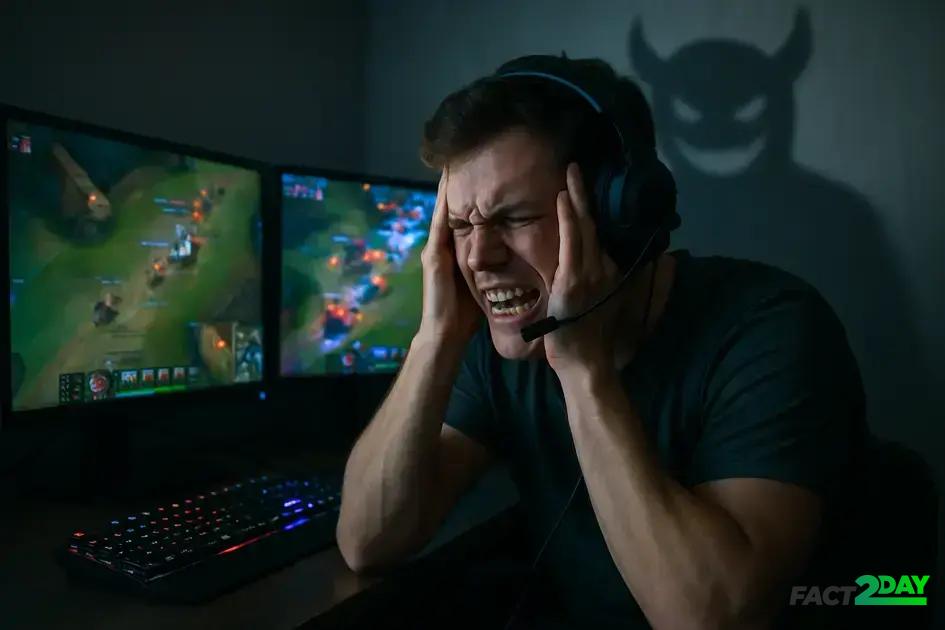
Consider for a moment the Dark Side Online Gaming where toxicity and addiction quietly thrive beneath the surface. What drives these behaviors, and how do they shape the gaming community as a whole? Let’s delve into this shadowy realm together.
Understanding the dark side of online gaming
The dark side of online gaming involves more than just competitive gameplay; it encapsulates toxic behaviors, addiction, and psychological impacts that many players face silently. These issues often stem from the anonymity and lack of real-world consequences within virtual environments. Players might encounter harassment, cheating, or exclusion, which can cause significant emotional stress.
Key elements of the dark side
Toxicity often manifests as verbal abuse, offensive language, and griefing, while addiction results from compulsive gaming habits that interfere with daily life responsibilities. Both aspects can damage a player’s mental health and social connections.
Why it matters
Understanding these issues is crucial for cultivating healthier gaming communities. Recognizing signs of toxicity and addiction allows players and developers to take proactive steps in creating safer, more inclusive spaces.
The psychology behind gaming addiction
Gaming addiction stems from complex psychological factors that engage the brain’s reward system. When players achieve goals or win battles, their brain releases dopamine, a chemical linked to pleasure and motivation. This creates a cycle of reward-seeking behavior that can become compulsive.
How addiction develops
The intermittent rewards in games, like random loot drops or leveling up, keep players hooked by triggering unpredictable dopamine spikes. This unpredictability makes gaming highly engaging and hard to stop.
Emotional factors
For some, gaming offers an escape from stress, anxiety, or loneliness. The immersive worlds provide a sense of achievement and social connection often missing in real life. This emotional reliance can deepen addiction.
Signs to watch for
Common indicators include neglecting responsibilities, mood swings when not gaming, and an inability to cut back despite negative consequences. Understanding these signs is vital to addressing the problem early.
How toxic behavior manifests in online games
Toxic behavior in online games appears in many disturbing forms that harm player experience. Common examples include flaming, where players insult or verbally attack others with harsh language. This often escalates conflicts and creates a hostile atmosphere.
Harassment and bullying
Harassment involves repeated and targeted attacks against specific players, including sexist, racist, or homophobic remarks. Bullying can take the form of exclusion from groups or teams, isolating victims socially.
Cheating and griefing
Cheating disrupts fair play by using hacks or exploits, while griefing involves intentionally annoying or sabotaging teammates or opponents. Both degrade the integrity of the game and frustrate honest players.
Impact on communities
Toxicity reduces player retention and deters newcomers, damaging gaming communities long-term. Developers and players need to recognize these behaviors and promote respect to maintain healthy environments.
Impact of toxicity on players’ mental health
Toxicity in online gaming can have serious effects on players’ mental health, leading to increased stress, anxiety, and feelings of isolation. Constant exposure to negative interactions can wear down a player’s self-esteem and overall well-being.
Emotional toll
Being targeted by harassment or bullying often causes players to feel unsafe and unwelcome, which can trigger emotional distress and even depression. These effects sometimes last long after the gaming session ends.
Social consequences
Players experiencing toxicity may withdraw from social connections, reducing their support network. This isolation can deepen feelings of loneliness and impact real-life relationships.
Cognitive effects
Stress from toxic environments can impair concentration and decision-making, affecting both gaming performance and daily tasks. Over time, this can contribute to a decline in mental sharpness and motivation.
Preventive steps
Recognizing these risks highlights the need for strategies to reduce toxicity and support players’ mental health. Encouraging positive communication and offering mental health resources are crucial for healthier gaming communities.
Role of anonymity in online gaming communities
Anonymity plays a significant role in online gaming communities by allowing players to interact without revealing their real identities. This can provide freedom and confidence to express themselves but also opens the door for harmful behavior.
Benefits of anonymity
Players often feel safer sharing thoughts and exploring different identities under the cover of anonymity. It encourages creativity and can help shy individuals engage socially without fear of judgment.
Negative effects
At the same time, anonymity can lead to a lack of accountability. Some players exploit this freedom to engage in toxic behavior, such as flaming, trolling, or harassment, since their actions are harder to trace.
Anonymity vs. accountability
Balancing anonymity with responsible gaming is a challenge for developers and communities. Implementing reporting tools and moderation can help manage abuse while preserving privacy.
Encouraging positive engagement
Fostering a culture where players hold themselves accountable regardless of anonymity is key to reducing toxicity. Education and community guidelines support this balance effectively.
The rise of in-game harassment and bullying
In-game harassment and bullying have become major issues in online gaming. Players often face verbal attacks, targeted insults, and exclusion from groups. This behavior creates a hostile environment that can drive people away.
Forms of harassment
Harassment can include sexist, racist, or homophobic remarks, as well as threats or swearing directed at individuals or groups. Bullies may also use game mechanics to intentionally disrupt others’ gameplay.
Why it’s increasing
The growth of online platforms and anonymous play has made it easier for harmful behaviors to go unchecked. Lack of immediate consequences encourages some players to act aggressively without restraint.
Effects on players
Victims of harassment often experience stress, anxiety, and loss of enjoyment. This can affect mental health and reduce their willingness to participate in gaming communities.
Community and developer responses
Many gaming companies are implementing stricter policies, reporting systems, and moderation tools. Communities are also taking steps by promoting positive behavior and supporting affected players.
Consequences of addiction on everyday life
Gaming addiction can significantly disrupt everyday life in multiple ways, affecting work, school, and personal relationships. Many players lose track of time, spending hours immersed in games at the expense of essential duties and social interactions.
Impact on daily responsibilities
Neglecting work or academic commitments is common among those struggling with addiction. Missed deadlines, poor performance, and absenteeism might follow as gaming takes priority.
Health concerns
Extended gaming sessions often lead to poor sleep patterns, lack of exercise, and unhealthy eating habits. These issues can cause fatigue, weight gain, or other medical problems over time.
Social isolation
Addicted gamers tend to withdraw from family and friends, choosing virtual experiences over real-life connections. This isolation can create loneliness and reduce emotional support.
Financial problems
Some players may spend excessive money on in-game items or subscriptions, leading to financial stress. Uncontrolled spending intensifies the negative consequences of addiction.
Measures game developers take to address toxicity
Game developers are actively implementing several measures to combat toxicity and improve the online gaming experience. These steps help create safer and more welcoming environments for players worldwide.
Automated moderation systems
Many developers use AI-driven tools that automatically detect and filter offensive language, spam, and harmful behavior in chat and voice communication. These systems flag or mute offenders in real time.
Reporting and penalty mechanisms
Players can report toxic behavior, which games investigate to apply penalties such as temporary bans or permanent suspensions. Clear guidelines on expected conduct are provided to enforce rules effectively.
Community guidelines and education
Developers promote positive conduct through published codes of behavior. Some games include onboarding tutorials that educate players about respectful interaction and the consequences of toxicity.
Encouraging positive interactions
Features like commendation systems reward players for sportsmanship and teamwork, encouraging a supportive community culture.
Regular updates and feedback loops
Developers collect player feedback and monitor behavior trends to update policies and tools continually, ensuring adaptability to new challenges.
Community-driven efforts to combat toxic behavior
Community-driven efforts play a vital role in combating toxic behavior in online gaming. Players and community leaders often band together to promote respect and positive interactions.
Player moderation
Many gaming communities empower players to act as moderators or mentors. These individuals help enforce rules and guide newcomers toward respectful behavior.
Support networks
Communities create support groups where victims of toxicity can share experiences and find encouragement. These networks help reduce isolation and promote mental well-being.
Organizing positive campaigns
Campaigns and events that celebrate good sportsmanship and teamwork raise awareness and encourage players to reflect on their behavior.
Collaborations with developers
Player communities often work with game developers to report issues, suggest improvements, and co-create guidelines to maintain a healthy gaming environment.
Education and resources
Communities share educational materials, workshops, and online content focused on empathy, communication skills, and the negative effects of toxicity.
The influence of social media on online gaming toxicity
Social media has a strong influence on online gaming toxicity by amplifying negative behaviors and spreading harmful content quickly. It connects gamers outside the game, allowing toxic attitudes to persist and even escalate.
Viral spread of negativity
Harsh words, memes, and videos that mock or target players can go viral, encouraging others to join in and magnify the toxic culture.
Echo chambers and group dynamics
Social media can create echo chambers where like-minded toxic players reinforce each other’s behavior. This normalization makes toxic actions seem acceptable or even rewarded.
Pressure and bullying beyond the game
Harassment sometimes crosses platforms, leading to doxxing or cyberbullying that follows players outside the gaming environment, increasing emotional harm.
Positive counter-movements
Despite the negatives, social media also offers spaces for campaigns and communities promoting respect, mental health awareness, and anti-toxicity efforts.
Legal and ethical considerations in online gaming
Online gaming raises important legal and ethical considerations that affect both developers and players. Understanding these aspects helps create fair and safe environments where everyone can enjoy gaming.
Legal issues
Privacy laws regulate how player data is collected and used. Developers must comply with regulations like GDPR to protect user information from misuse.
Intellectual property
Game content, including graphics and code, is protected by copyright. Unauthorized copying or hacking violates legal rights and can lead to penalties.
Cheating and fair play
Ethical gaming promotes fair competition. Cheating through hacks or exploits breaks rules and undermines trust in the community, which can lead to bans or legal action.
Harassment and abuse
Harassment in games can have legal consequences if it involves threats, hate speech, or discrimination. Developers are responsible for enforcing policies to prevent abuse.
Responsible game design
Ethical developers consider the impact of addictive mechanics and work to minimize harm. This includes transparent microtransactions and age-appropriate content.
Strategies for players to protect their well-being
Players can take several effective steps to protect their well-being while engaging with online games. Awareness and active management of gameplay habits are key to maintaining a healthy balance.
Setting time limits
Establishing daily or weekly gaming limits helps prevent excessive play and reduces the risk of addiction. Using alarms or parental controls can remind players to take breaks.
Managing interactions
Using mute or block functions limits exposure to toxic players. Choosing to play with friends or trusted communities can also foster a positive environment.
Taking breaks and practicing self-care
Regular breaks promote physical health and mental clarity. Activities like stretching, hydration, and mindfulness during gaming sessions support overall well-being.
Seeking support
When experiencing stress or harassment, players should reach out to friends, moderators, or mental health professionals. Many communities provide resources for assistance.
Educating oneself
Understanding the signs of toxicity and addiction empowers players to act early. Staying informed about game policies and community guidelines encourages responsible gaming.
How to foster positive and inclusive gaming spaces
Creating positive and inclusive gaming spaces requires effort from developers, players, and community leaders. It focuses on fostering respect, diversity, and teamwork within the gaming environment.
Establish clear rules
Implementing well-defined community guidelines that prohibit toxic behavior is crucial. These rules should be communicated clearly and enforced fairly.
Promote diversity and inclusion
Encouraging players from different backgrounds to participate respectfully helps build rich and welcoming communities. Developers can design games that reflect various cultures and identities.
Support positive behavior
Recognition systems that reward teamwork, kindness, and good sportsmanship motivate players to act respectfully. Highlighting positive role models in the community reinforces these values.
Provide tools for moderation
Offering effective reporting, muting, and blocking features empowers players to protect themselves and others from toxicity.
Educate the community
Workshops, tutorials, and campaigns about empathy, respect, and communication can change player attitudes over time.
Future outlook: addressing the dark side for healthier communities
The future of online gaming depends on addressing the dark side to build healthier and more inclusive communities. New technologies and evolving social awareness offer hope for positive change.
Advancements in AI moderation
Artificial intelligence will play a bigger role in detecting and preventing toxic behavior automatically, improving real-time responses and reducing human workload.
Stronger community guidelines
Games will continue to refine rules to protect players while encouraging fair play and respect. Transparent enforcement and appeal systems will foster trust.
Player empowerment
Enhanced tools for reporting, muting, and coaching will help players manage their experiences and create supportive networks.
Collaboration between developers and players
Ongoing communication ensures policies evolve based on real community needs and feedback.
Education and awareness
Growing efforts to educate players about the impact of toxicity and the value of mental health will promote empathy and responsible gaming.
Addressing the dark side of online gaming for better communities
Understanding the toxic and addictive aspects of online gaming is vital for creating healthier spaces. Both developers and players have roles in promoting respect, fairness, and well-being.
By using advanced tools, setting clear guidelines, and fostering positive behavior, the gaming world can evolve into a safer place for everyone. Awareness and education are key to supporting inclusive and enjoyable gaming experiences.
Together, we can work towards communities where gaming remains fun and welcoming for all players.