Cupuaçu Chocolate: The Amazon’s Creamy Rival to Cocoa
Cupuaçu chocolate offers a unique creamy flavor from the heart of the Amazon, delighting those looking for a new taste experience.
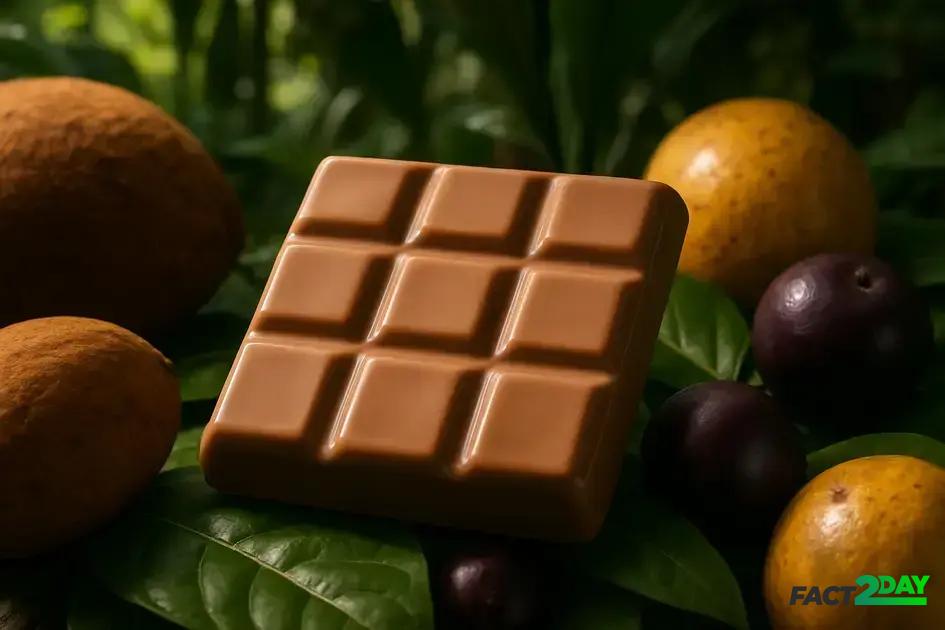
Cupuaçu chocolate is a creamy, tropical-flavored alternative to traditional cocoa, originating from the Amazon, valued for its unique taste, nutritional benefits, and sustainable harvesting practices.
Cupuaçu chocolate carries the rich, creamy soul of the Amazon, often leaving people curious about its flavor and origins. Have you ever wondered what sets it apart from regular cocoa? Join me as we explore its story and natural allure.
What is cupuaçu chocolate and its origins
Cupuaçu chocolate is derived from the pulp of the cupuaçu fruit, native to the Amazon rainforest. Unlike traditional cocoa, cupuaçu is not a type of cocoa bean but a tropical fruit related to cacao. The fruit’s creamy, tangy pulp is processed into a unique form of chocolate that offers a flavor often described as a mix between chocolate and tropical fruits like pineapple and banana.
The origins of cupuaçu chocolate trace back to indigenous Amazonian communities, who have used the fruit for centuries for its nutritional and medicinal properties. The pulp is harvested, fermented, and dried, then transformed into a versatile ingredient used in sweets, beverages, and cosmetics. Its growing popularity outside the Amazon is attributed to its distinctive taste and health benefits.
Traditional harvesting and preparation
Cupuaçu fruit grows in pods on the Theobroma grandiflorum tree. Harvesters carefully pick ripe pods to preserve the delicate pulp inside. After opening the pods, the pulp is scooped out and occasionally fermented to develop its rich flavor. This natural processing maintains its creamy texture and unique aroma.
Cultural significance and modern use
For many Amazonian tribes, cupuaçu is more than food; it symbolizes connection to nature and ancestral knowledge. Today, cupuaçu chocolate is gaining attention globally, featured in gourmet desserts and health food products. Its distinctive flavor is drawing chefs and chocolatiers looking for novel ingredients.
How cupuaçu chocolate differs from traditional cocoa
Cupuaçu chocolate differs significantly from traditional cocoa in several ways, starting with its source. While traditional chocolate comes from the seeds of the cacao tree (Theobroma cacao), cupuaçu chocolate is made from the pulp of the cupuaçu fruit (Theobroma grandiflorum). This difference leads to distinct taste and texture profiles.
The flavor of cupuaçu chocolate is unique — it has a creamy texture with fruity, citrusy notes, often described as a blend of chocolate, pineapple, and pear. In contrast, traditional cocoa has a more bitter and earthy flavor due to its higher fat content and the nature of cocoa beans.
Nutritional and chemical differences
Cupuaçu contains antioxidants and vitamins, such as vitamin C, which traditional cocoa lacks. Additionally, cupuaçu has a lower fat content and a different type of fat, contributing to its lighter and smoother consistency.
Processing and usage
The processing methods also vary. Cupuaçu pulp is fermented and dried differently from cocoa beans, affecting flavor development. This makes cupuaçu chocolate versatile for use in desserts, beverages, and even cosmetics, whereas traditional cocoa is primarily used for chocolate production.
Overall, cupuaçu chocolate offers a refreshing alternative to traditional cocoa, appealing to those seeking new flavors with health benefits.
The nutritional benefits of cupuaçu chocolate
Cupuaçu chocolate is not only a delicious treat but also packed with several nutritional benefits. It contains antioxidants, which help protect the body from free radicals and reduce oxidative stress. These antioxidants can promote overall health and may support the immune system.
Rich in vitamins and minerals
Cupuaçu chocolate provides essential vitamins such as vitamin C, which is important for skin health and immune support. It also contains minerals like calcium, phosphorus, and potassium that are vital for maintaining strong bones and regulating blood pressure.
Healthy fats and fiber
Unlike traditional chocolate, cupuaçu has lower saturated fat content and includes healthy fats that benefit heart health. It also contains dietary fiber, which aids digestion and helps maintain a healthy gut.
Due to these properties, cupuaçu chocolate can be a smart addition to a balanced diet, offering enjoyment without compromising nutrition.
Sustainable harvesting practices in the Amazon
Sustainable harvesting practices in the Amazon are essential for preserving the rainforest while supporting local communities. When it comes to cupuaçu, harvesters carefully collect the fruit only when it is ripe, ensuring the trees remain healthy and productive over time. This selective harvesting helps protect the forest’s biodiversity.
Supporting local communities
Many Amazonian communities rely on sustainable cupuaçu harvesting for their livelihood. By using traditional knowledge and eco-friendly methods, they maintain a balance between economic needs and environmental conservation.
Eco-friendly techniques
Harvesters avoid damaging the trees, and pods are collected by hand rather than using machinery that could harm the surrounding plants and animals. This method preserves the rainforest’s ecosystem and allows it to regenerate naturally.
Certification and fair trade
Some cupuaçu producers participate in certification programs that promote ethical and sustainable practices. These programs help ensure fair prices for harvesters and encourage consumers to choose environmentally responsible products.
Through these sustainable approaches, cupuaçu harvesting contributes to the long-term health of the Amazon rainforest and its people.
Culinary uses of cupuaçu chocolate worldwide
Cupuaçu chocolate has become a beloved ingredient for chefs and food lovers around the world, thanks to its unique creamy texture and exotic fruity flavor. In many countries, it is used in desserts such as mousses, cakes, and ice creams, offering a tropical twist to classic recipes.
Innovative desserts and beverages
Its distinctive flavor makes cupuaçu chocolate perfect for smoothies, hot chocolates, and even cocktails. Many culinary experts experiment by mixing it with ingredients like coconut, nuts, and spices to create exciting new tastes.
Health-conscious and vegan recipes
Because cupuaçu chocolate is often less processed and naturally rich in nutrients, it is popular in vegan and health-conscious cooking. It is frequently used in energy bars, protein balls, and raw desserts, offering both taste and nutrition.
Worldwide chefs appreciate cupuaçu chocolate for its ability to elevate dishes, adding complexity and depth where regular cocoa might fall short. Its versatility makes it ideal in both sweet and savory recipes, inviting creativity in the kitchen.
The cultural importance of cupuaçu in Amazonian communities
Cupuaçu holds deep cultural significance among Amazonian communities. It is more than just a fruit or ingredient; it symbolizes their connection to nature and traditions passed through generations. The harvesting and sharing of cupuaçu is often intertwined with local rituals and communal celebrations.
Traditional uses and folklore
Many indigenous groups use cupuaçu in medicinal practices and storytelling, viewing it as a gift from the forest. It features prominently in myths that explain the origins of the rainforest and its bounty, reinforcing respect for the environment.
Economic and social role
Beyond culture, cupuaçu supports the local economy through small-scale farming and sustainable harvesting. This trade strengthens community bonds and helps preserve Amazonian ways of life while introducing their heritage to the wider world.
The fruit’s versatility in food, medicine, and rituals makes it a vital part of daily life, shaping identities and fostering pride among Amazonian peoples. It stands as a powerful symbol of resilience and harmony with nature.
Challenges facing cupuaçu chocolate production
The production of cupuaçu chocolate faces several challenges that affect its availability and growth as a global product. One major issue is the limited cultivation area, as cupuaçu grows mainly in the Amazon rainforest under very specific environmental conditions. This restricts large-scale farming and export capacity.
Environmental threats
Deforestation and climate change pose serious risks to cupuaçu trees. Loss of habitat and shifting weather patterns can reduce fruit yields and threaten the biodiversity essential for sustainable harvests.
Economic and social factors
Many small producers struggle with insufficient infrastructure, limited access to technology, and fluctuating market prices. These challenges make it difficult to maintain consistent quality and meet international demand.
Quality control and processing
Because cupuaçu chocolate is still emerging in global markets, there is a need for improved quality standards and efficient processing methods. Ensuring proper fermentation and drying techniques is vital to develop its full flavor potential consistently.
Addressing these challenges requires investment in sustainable practices, better support for local communities, and innovations in cultivation and processing to unlock cupuaçu chocolate’s full potential.
How to incorporate cupuaçu chocolate into your diet
Incorporating cupuaçu chocolate into your diet is a delicious way to enjoy its unique flavor and health benefits. You can start by using it as a substitute for regular chocolate in recipes like smoothies, desserts, and baked goods. Its creamy texture adds richness with a fruity twist.
Simple ways to enjoy cupuaçu chocolate
Add cupuaçu chocolate powder or bars to breakfast bowls, mixed with yogurt or oatmeal. This boosts flavor and provides antioxidants early in the day. It also works well melted over fruits or ice cream for a refreshing treat.
Cooking and baking ideas
Use cupuaçu chocolate in cakes, brownies, or energy bars. Its distinct taste pairs wonderfully with tropical fruits, nuts, and spices like cinnamon. You can also incorporate it into sauces or beverages such as hot chocolate or coffee for a gourmet upgrade.
For snack lovers, bite-sized cupuaçu chocolate treats or homemade truffles offer a satisfying indulgence without excessive sugar or additives. Experimenting in the kitchen with this Amazonian gem can make your meals both healthy and exciting.
Discover the unique charm of cupuaçu chocolate
Cupuaçu chocolate offers a flavorful and nutritious alternative to traditional cocoa, with its creamy texture and tropical taste. Its rich cultural roots in the Amazon and sustainable harvesting practices make it a special ingredient worth exploring.
By understanding its differences, nutritional benefits, and diverse culinary uses, you can enjoy this Amazonian gem in many creative ways. Whether you add it to your diet as a healthy snack or use it in gourmet recipes, cupuaçu chocolate invites you to experience a new world of flavor.
As cultivation challenges are addressed and awareness grows, cupuaçu chocolate may become a popular choice worldwide. Embrace this delicious, natural treasure and bring a taste of the Amazon to your table.