The Fall of Constantinople Changed Italian Cuisine
Explore how Cuisine After Constantinople reshaped Italian flavors and cooking traditions after a pivotal historical event.
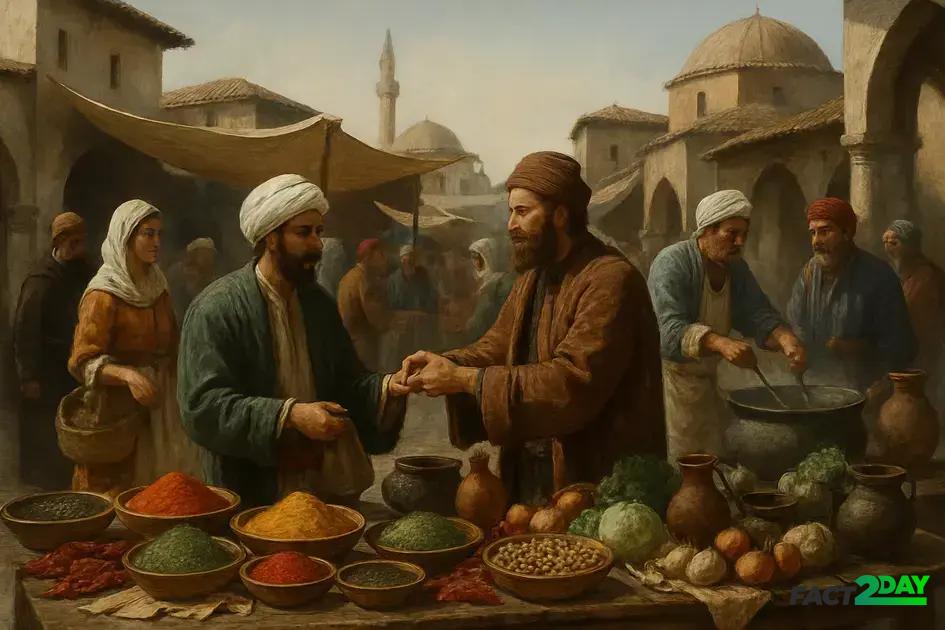
Cuisine After Constantinople refers to how the 1453 fall reshaped Italian cuisine by introducing new spices, altering trade routes, and blending Eastern and Western cooking techniques that influence Italy’s flavors and dishes today.
Have you ever wondered how historical events shape our everyday meals? The Cuisine After Constantinople tells a fascinating story of how the fall of this great city changed Italian cooking forever. Curious to know what flavors and traditions shifted? Let’s dive in.
historical context of the fall of Constantinople
The fall of Constantinople in 1453 marked a turning point in world history, ending the Byzantine Empire and changing the course of European and Middle Eastern relations. This event was significant not just politically but also culturally, as it disrupted established trade routes and led to new exchanges between East and West. The city’s capture by the Ottoman Turks under Sultan Mehmed II introduced a shift in power and cultural influences that echoed across many aspects of life, including cuisine.
Before the fall, Constantinople was a bustling hub connecting Asia, Europe, and Africa, rich in diverse ingredients and culinary traditions. Its loss forced European nations, especially Italy, to seek alternate pathways for trade, which ultimately impacted the availability and variety of food products. This disruption triggered a transformation in Italian cooking as it adapted to the new economic and cultural landscape shaped by the fall.
Historical significance and culinary impact
Historically, the fall represents the blending and shifting of cultures. Italian cuisine began to incorporate influences from Eastern Mediterranean and Ottoman flavors brought through new trade contacts. This moment can be seen as a catalyst for food innovation, as chefs and home cooks experimented with novel spices, herbs, and techniques previously less common or unavailable in Italy.
Understanding this context helps explain why some ingredients that are staples in Italian kitchens today, such as certain nuts, spices, and fruits, have roots tracing back to this dramatic historical event.
impact on trade routes and ingredient availability
The fall of Constantinople dramatically altered global trade routes, especially those linking Europe with Asia. Before 1453, Constantinople was a vital center connecting East and West, facilitating the flow of spices, herbs, and exotic ingredients. When the city fell to the Ottoman Empire, traditional land routes became more controlled and sometimes restricted, forcing European merchants to search for alternative paths.
This shift led to the Age of Exploration, where sea routes around Africa became essential. Italian traders in cities like Venice and Genoa faced challenges importing familiar ingredients, making them open to new sources and substitutes. The change also meant that many spices, such as cinnamon, nutmeg, and cloves, once easy to access through Constantinople’s trade networks, became rare or more costly.
Changes in ingredient availability
The scarcity of certain spices pushed Italian cuisine to adapt creatively. Locals began experimenting with alternative herbs and flavors while also integrating new ingredients from the expanding global trade. Some vegetables, nuts, and fruits that became common in Italian kitchens were introduced during this period due to shifting trade flows.
The alteration of trade routes thus had a profound effect on what Italians could cook with, changing traditional recipes and inspiring new culinary styles that reflected a blending of cultures. This economic and geographic change underlies much of the evolution seen in post-Constantinople Italian cuisine.
introduction of new spices and techniques
After the fall of Constantinople, Italian cuisine began to incorporate new spices and cooking techniques that were previously unfamiliar in Europe. The influx of these exotic flavors came through increased contact with the Ottoman Empire and other Eastern regions. Spices like cinnamon, cardamom, and cloves started to appear more frequently in Italian recipes, enriching the taste and aroma of traditional dishes.
The introduction of these spices also inspired chefs to adopt new methods of food preparation. Techniques such as marinating with aromatic spices and slow-cooking with herbs became popular. Italian cooks blended their classic methods with Eastern influences, creating recipes that were both innovative and flavorful.
Blending of culinary traditions
This exchange allowed for a dynamic fusion where Italian dishes gained complexity and depth. Recipes for stews, sauces, and even sweets began to reflect these broader influences, showcasing how cuisines evolve when cultures intersect. The availability of such spices encouraged experimentation, leading to lasting changes in Italian gastronomy.
These adaptations highlight the role of historical events in shaping culinary identities and demonstrate how new ingredients and techniques can redefine traditional food cultures.
changes in italian cooking styles post-1453
After 1453, Italian cooking styles began to evolve as a direct response to new cultural influences and changing ingredient availability following the fall of Constantinople. The influx of exotic spices and herbs led to a more diverse flavor profile in many regional dishes. Chefs started blending traditional Italian techniques with Eastern flavors, which created a richer and more complex culinary tradition.
Regional variations became more pronounced, partly due to different access to new ingredients introduced through changing trade routes. In northern Italy, richer sauces and use of nuts became popular, while southern regions experimented with spicy and aromatic herbs.
Adoption of new cooking methods
Slow cooking, marinating meats with spices, and incorporating sweet and savory mixtures became more common. Italian cooks also adapted presentation styles, emphasizing balance between flavors and textures.
This transformation laid the foundation for many iconic Italian dishes we recognize today, highlighting how historical events reshape not only what we eat but how we prepare food.
influence on popular italian dishes today
Many popular Italian dishes today carry the legacy of the culinary changes sparked by the fall of Constantinople. The introduction of Eastern spices and ingredients enriched traditional recipes, giving them unique flavors that are now classics. For example, risotto began incorporating spices like saffron, which arrived through trade routes opened after 1453.
Tomatoes, though introduced later from the Americas, combined with these earlier influences to create iconic dishes such as pasta sauces and pizza toppings. The use of nuts, dried fruits, and aromatic herbs also became staples in Italian cooking, directly linked to the period’s cultural exchanges.
Culinary examples
Dishes like panettone, a sweet bread with candied fruits, and certain meat stews show clear blends of Western and Eastern traditions. The spices that once were rare and exotic are now common household ingredients in Italy.
This fusion revolutionized Italian cuisine, making it a diverse and adaptable tradition that continues to evolve while honoring its rich history.
legacy of the fall in modern italian cuisine
The fall of Constantinople left a lasting legacy on modern Italian cuisine that still influences cooking styles and ingredient choices today. This event opened the door for a rich exchange of spices, herbs, and cooking methods from the East, blending seamlessly with traditional Italian food culture. Today’s Italian dishes reflect this history through their complexity and vibrant flavors.
Modern Italian chefs continue to embrace the fusion of Eastern and Western culinary elements, showcasing the adaptability and depth born from centuries of cultural exchange. Ingredients like saffron, cinnamon, and dried fruits, once rare and exotic, are now integral parts of Italy’s gastronomic identity.
Enduring culinary traditions
The legacy also lies in how Italian cuisine values sustainability and seasonality, ideas influenced by old trade practices and the need to adapt ingredient availability. This connection to history enriches Italian cooking with a story that spans continents and eras, highlighting the resilience and creativity of Italian food culture.
Understanding this legacy helps appreciate modern Italian cuisine not just as a style of cooking, but as a living reflection of historical events and cultural blends that continue to shape its evolution.
The lasting impact of the fall cuisine After Constantinople
The fall of Constantinople was more than a historical event; it reshaped the flavors and techniques that define Italian cooking today. This moment opened the door to new spices, ingredients, and culinary ideas that enriched Italy’s food culture.
From trade route changes to the fusion of Eastern and Western flavors, Italian cuisine evolved into a vibrant and diverse tradition. Understanding this history helps us appreciate every delicious bite as part of a greater story of cultural exchange and adaptation.
Whether it’s the use of saffron in risotto or the sweet hints in traditional breads, the legacy of Constantinople’s fall is a reminder of how history can influence even the meals we enjoy daily.