Frozen Fire: Unveiling the Enigmatic World of Cryo-Volcanoes on Distant Moons
Explore Cryo-Volcanism Outer Solar System, revealing how frozen fire shapes distant moons and unlocks secrets of celestial activity and evolution.
Animals on trial: a window into medieval justice and society
Animal trials remind us of a time when the lines between the human and natural worlds were quite different from today. These curious legal cases show how people viewed animals as moral beings, responsible for their actions under both earthly and spiritual laws.
Though strange to modern eyes, these trials reveal much about medieval ideas of justice, guilt, and community. They offer a fascinating glimpse into how societies sought order and meaning in all things around them—human and animal alike.
Reflecting on this bizarre chapter in legal history encourages us to think about how our own ideas of responsibility and personhood continue to change and evolve. What once seemed normal may now appear strange, reminding us that law and morality are living concepts shaped by culture and belief.
Consider for a moment the intriguing world of Cryo-Volcanism Outer Solar System—where volcanic activity doesn’t boil molten rock but erupts frozen substances instead. What secrets might these icy fire-spewers hold about our cosmic neighborhood?
Understanding cryo-volcanism and its unique characteristics
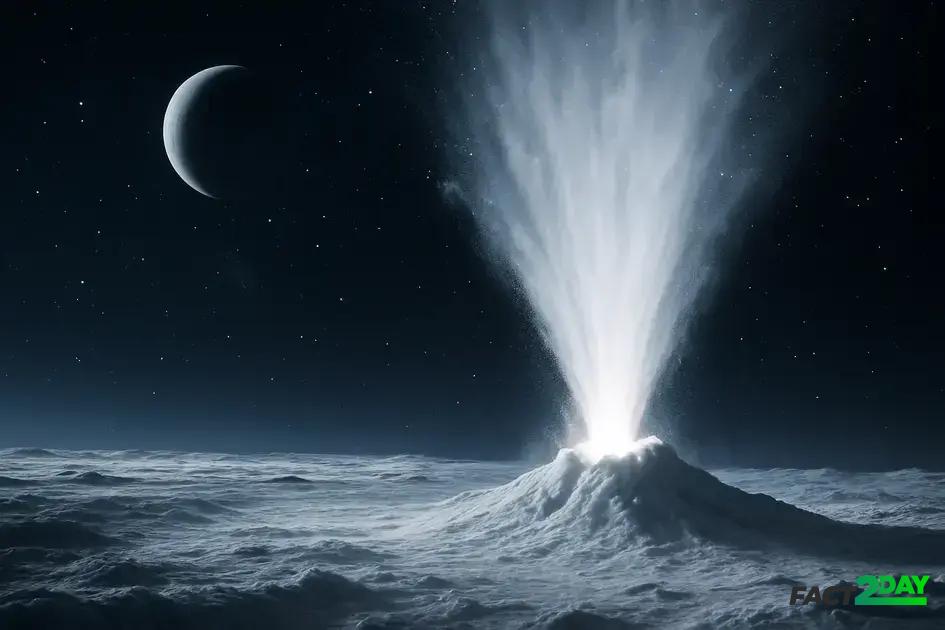
Cryo-volcanism is a fascinating geological process where instead of molten rock, volatile substances like water, ammonia, or methane erupt from a celestial body’s surface. Unlike traditional volcanism on Earth, which involves hot lava, cryo-volcanoes spew cold, frozen material often in the form of icy plumes or slushy mixtures.
This unique type of volcanism primarily occurs on icy moons and dwarf planets in the outer solar system, where extremely low temperatures allow for the solidification of substances that would be gaseous or liquid closer to the Sun.
Key Characteristics of Cryo-Volcanism
- Low temperature eruptions: Instead of molten rock, these volcanoes erupt ices and gases such as water vapor, carbon dioxide, or ammonia.
- Surface features: Cryo-volcanoes often create smooth plains or domes made of frozen materials.
- Internal heat sources: Tidal heating from gravitational interactions can generate enough energy to melt subsurface ices, triggering eruptions.
- Eruption style: Plumes or jets of material can be expelled into space, sometimes forming temporary atmospheres or contributing to planetary rings.
Studying cryo-volcanism helps scientists understand the geological and atmospheric evolution of distant moons. It also raises intriguing questions about the possibility of subsurface oceans harboring life.
Key moons exhibiting cryo-volcanic activity
Several fascinating moons in the outer solar system display evidence of cryo-volcanic activity. These icy bodies reveal how frozen lava, primarily water ice and other volatiles, reshapes their surfaces and influences their atmospheres.
Europa
One of Jupiter’s largest moons, Europa, is renowned for its smooth icy surface crossed by fractures and ridges. Scientists believe cryo-volcanism plays a role in resurfacing Europa, as plumes of water vapor have been detected erupting from its subsurface ocean through cracks.
Enceladus
Saturn’s moon Enceladus is a prime example of active cryo-volcanism. It ejects jets of water ice and vapor from its south polar region. These geysers create a thin atmosphere and supply material to Saturn’s E-ring. This activity hints at a subsurface ocean heated by tidal forces.
Triton
Neptune’s largest moon, Triton, exhibits cryo-volcanic features such as plumes of nitrogen gas that erupt from its frozen surface. Triton’s volcanic activity is driven by both internal heat and the sublimation of volatile ices, creating dynamic surface changes.
Dwarf Planet Pluto
Pluto shows evidence of cryo-volcanism with vast icy plains and potential ice volcanoes, or cryovolcanoes, detected by spacecraft observations. These features suggest an internal heat source capable of melting ices beneath the surface.
Studying these moons offers valuable insight into how cryo-volcanism affects surface evolution and the potential for habitable environments beyond Earth.
The role of water and ices in cryo-volcano formation
Water and various ices play a crucial role in the formation and eruption of cryo-volcanoes. Unlike Earth’s volcanoes that erupt molten rock, cryo-volcanoes discharge cold liquids and gases primarily composed of water, methane, ammonia, or other volatile ices.
Subsurface Reservoirs and Melting
Deep beneath the surface of icy moons, internal heat from tidal forces or radioactive decay can warm pockets of frozen water and ices, turning them into slushy or liquid reservoirs. These pockets build pressure over time, preparing for an eventual eruptive release.
Pressure and Fractures
The pressure generated by these subsurface liquids forces cracks in the icy crust to open. These fractures become pathways through which the pressurized liquids and gases escape to the surface, producing cryo-volcanic plumes or flows.
Composition Effects
The specific mix of water, ammonia, methane, or other ices influences the eruption’s temperature, viscosity, and behavior. For example, water mixed with ammonia can remain liquid at much lower temperatures, aiding the mobility of cryo-lava.
Surface Impact
When these materials erupt, they freeze quickly, forming new layers of ice or smooth plains, reshaping the moon’s surface. This process can create intriguing features such as domes, ridges, and smooth plains made of exotic ices.
Understanding the role of water and ices offers key insights into the geologic and potentially habitable environments in the outer solar system.
Differences between cryo-volcanoes and terrestrial volcanoes
Cryo-volcanoes and terrestrial volcanoes differ significantly in composition, temperature, and eruption style. Understanding these differences gives insight into the unique processes shaping icy worlds compared to Earth’s rocky planets.
Composition of Erupted Material
Terrestrial volcanoes erupt molten rock or magma composed mainly of silicate minerals. In contrast, cryo-volcanoes release volatile substances like water, ammonia, methane, and other ices that are frozen under outer solar system conditions.
Temperature Differences
Eruptions on Earth involve temperatures exceeding 1,000 °C, whereas cryo-volcanoes erupt materials at extremely low temperatures, often below -150 °C. The cold environment keeps the eruptive substances frozen or semi-frozen.
Eruption Mechanisms
Earth’s volcanic activity is driven by heat from the planet’s mantle and core, causing rock to melt and rise. Cryo-volcanism is typically powered by tidal heating or radioactive decay that melts subsurface ices, forcing liquids and gases through surface fractures.
Surface Features
Terrestrial volcanoes form cones, lava plains, and mountains from accumulated lava flows and ash. Cryo-volcanoes often produce icy domes, smooth plains, and plumes of gas and ice particles that can reach space.
Atmospheric Effects
Cryo-volcanoes can create or replenish thin atmospheres on moons by releasing gases, while terrestrial volcanoes affect Earth’s atmosphere through ash and gas emissions influencing climate.
These distinctions highlight how environmental conditions dictate volcanic behavior, making cryo-volcanism a unique window into extraterrestrial geology.
How cryo-volcanism influences moon geology and atmosphere
Cryo-volcanism profoundly impacts the geology and atmosphere of icy moons in the outer solar system. This process shapes surface features and contributes gases that can form or sustain thin atmospheres.
Surface Reshaping
Eruptions of cold liquids and ices from cryo-volcanoes deposit fresh material onto the surface, creating smooth plains, domes, and ridges. These deposits can cover older terrain, making the surface appear younger and more dynamic.
Atmospheric Contributions
As cryo-volcanoes vent gases such as water vapor, nitrogen, or methane into space, they create thin, transient atmospheres around their host moons. For example, Enceladus supplies material to Saturn’s E-ring and sustains a tenuous atmosphere that fluctuates with its geological activity.
Climate and Environmental Effects
The released gases can influence local temperature and surface interactions. Thin atmospheres may allow for chemical reactions on the surface or protect subsurface oceans from rapid freezing.
Geological Activity Indicators
Regions with active cryo-volcanism often exhibit tectonic features like cracks and ridges formed by the stress of pressure changes beneath the icy crust. These geological signs help scientists locate active moons worthy of exploration.
Understanding these influences helps us learn about the potential habitability of moons and the complex processes driving their evolution.
Detecting cryo-volcanic eruptions remotely
Remote detection of cryo-volcanic eruptions relies on advanced spacecraft instruments and telescopes that observe icy moons from afar. Since these eruptions occur far from Earth, scientists use various techniques to identify and study them.
Infrared and Thermal Imaging
Instruments that detect heat signatures help identify warm spots on cold icy surfaces. These warm areas often mark recent or ongoing cryo-volcanic activity caused by subsurface liquid eruptions.
Spectral Analysis
Spectrometers analyze the light reflected from the surface and atmosphere of moons. They can spot unique chemical signatures from gases such as water vapor, ammonia, or methane released during eruptions.
Plume Observation
High-resolution cameras capture images of plumes or jets of ice particles and gases streaming from the moon’s surface. Observing these plumes over time confirms active eruptions and their locations.
Gravitational Measurements
Spacecraft flybys can measure subtle gravitational changes caused by subsurface liquids moving beneath the crust. These shifts can hint at cryo-volcanic reservoirs and help predict eruption sites.
Combining these remote sensing methods allows scientists to monitor cryo-volcanism accurately, deepening our understanding of icy worlds without direct surface exploration.
The connection between cryo-volcanism and astrobiology
The study of cryo-volcanism is deeply linked to astrobiology, as these icy eruptions may create environments where life could exist beyond Earth. Cryo-volcanoes can expose subsurface oceans that might harbor microbial life.
Habitability Potential
Cryo-volcanic activity suggests the presence of liquid water beneath icy crusts, a key ingredient for life. These subsurface oceans may provide stable environments shielded from harsh surface conditions like radiation or extreme cold.
Nutrient and Energy Supply
Eruptions can transport chemicals and nutrients from the interior to the surface, potentially supporting microbial ecosystems. The heat generated can also drive chemical reactions necessary for life’s building blocks.
Evidence from Moons like Europa and Enceladus
Moons such as Europa and Enceladus show strong signs of cryo-volcanism and have been primary targets in the search for life. Water plumes ejected by cryo-volcanoes provide opportunities to analyze subsurface ocean composition directly.
Implications for Future Missions
Understanding cryo-volcanism informs mission designs aiming to detect biosignatures. Sampling cryo-volcanic plumes may offer non-invasive means to study potentially habitable environments.
Exploring the connection between cryo-volcanism and astrobiology opens exciting pathways to answer whether life exists elsewhere in our solar system.
Technological challenges in studying cryo-volcanoes
Studying cryo-volcanoes presents unique technological challenges due to their remote locations and harsh environments. These factors make direct observation and data collection difficult.
Distance and Accessibility
Most cryo-volcanic moons orbit far from Earth, requiring long and costly missions. Delays in communication and limited mission lifespans complicate data gathering and real-time observations.
Extreme Conditions
The cold temperatures and icy surfaces pose engineering challenges for spacecraft and instruments. Equipment must withstand radiation, low temperatures, and potential surface hazards like sharp ice formations.
Sensitivity of Instruments
Detecting faint plumes or subtle surface changes demands highly sensitive sensors. Instruments must capture thermal, spectral, and imaging data with great precision under low-light conditions.
Limited Data Transmission
Bandwidth constraints restrict the amount of data transmitted back to Earth. Scientists must prioritize which observations are most critical and optimize data compression techniques.
Future Solutions
Advances like autonomous spacecraft, improved sensor technology, and long-duration missions could overcome these hurdles, enabling deeper understanding of cryo-volcanic processes.
Implications of cryo-volcanism for future space exploration
Cryo-volcanism has significant implications for future space exploration, opening new frontiers for scientific discovery and the search for life beyond Earth.
Targeting Potentially Habitable Worlds
Moons exhibiting cryo-volcanic activity, like Europa and Enceladus, are prime targets for missions seeking signs of life. These eruptions expose subsurface oceans and bring materials to the surface, making exploration more accessible.
Sampling and Analyzing Plumes
Cryo-volcanic plumes offer an opportunity to collect and analyze samples without landing on the surface. Spacecraft can fly through these jets to gather data on water composition, organic molecules, and potential biosignatures.
Developing Specialized Instruments
Studying cryo-volcanoes drives innovation in instrumentation, requiring sensors that operate in extreme cold and detect faint signals of icy eruptions and chemical compounds.
Designing Robust Spacecraft
Understanding cryo-volcanism informs spacecraft design to withstand harsh radiation, low temperatures, and mechanical stresses near icy moons, ensuring mission longevity.
Inspiring Future Missions
The insights gained from cryo-volcanism studies guide mission planning, helping prioritize targets, select landing sites, and design experiments that maximize scientific return.
Recent discoveries and missions targeting cryo-volcanic phenomena
Recent discoveries and space missions have greatly advanced our understanding of cryo-volcanic phenomena across the outer solar system. Scientists have gathered exciting evidence from several icy moons.
Discovery of Water Plumes on Enceladus
The Cassini spacecraft discovered spectacular water-ice plumes erupting from Enceladus’s south pole. These plumes confirmed an underground ocean beneath the icy crust and indicated active cryo-volcanism.
Europa Clipper Mission
Set to launch soon, NASA’s Europa Clipper will study Europa’s ice shell and plumes. It aims to understand habitability and detect cryo-volcanic activity by analyzing surface features and sampling ejected materials.
New Horizons and Pluto
The New Horizons mission revealed possible cryo-volcanoes on Pluto, showing smooth icy plains and evidence of recent surface renewal. This discovery reshaped our ideas about geological activity on dwarf planets.
Upcoming Missions and Technologies
Future missions to Triton and other icy bodies plan to use advanced instruments for close observation of cryo-volcanoes. These spacecraft will carry spectrometers and imaging sensors to identify active eruptions and their chemical composition.
Collectively, these discoveries and missions are transforming our knowledge of cryo-volcanism, highlighting its role in shaping icy worlds and their potential for harboring life.
Understanding cryo-volcanism’s impact on our solar system
Cryo-volcanism reveals the dynamic nature of icy moons far beyond Earth. These frozen eruptions reshape surfaces, contribute to atmospheres, and hint at hidden oceans beneath the ice.
Studying cryo-volcanoes helps scientists search for signs of life and understand how these distant worlds evolve. With ongoing and future missions, we are unlocking secrets that could change our view of habitability in space.
The challenges are great, but so are the rewards. Cryo-volcanism offers a thrilling glimpse into the complex processes shaping the outer solar system and inspires exploration for generations to come.