Game Universes Collide: The Wildest Crossovers in Gaming
Discover the charm of crossover games where iconic characters blend worlds, offering thrilling adventures that surprise and delight.
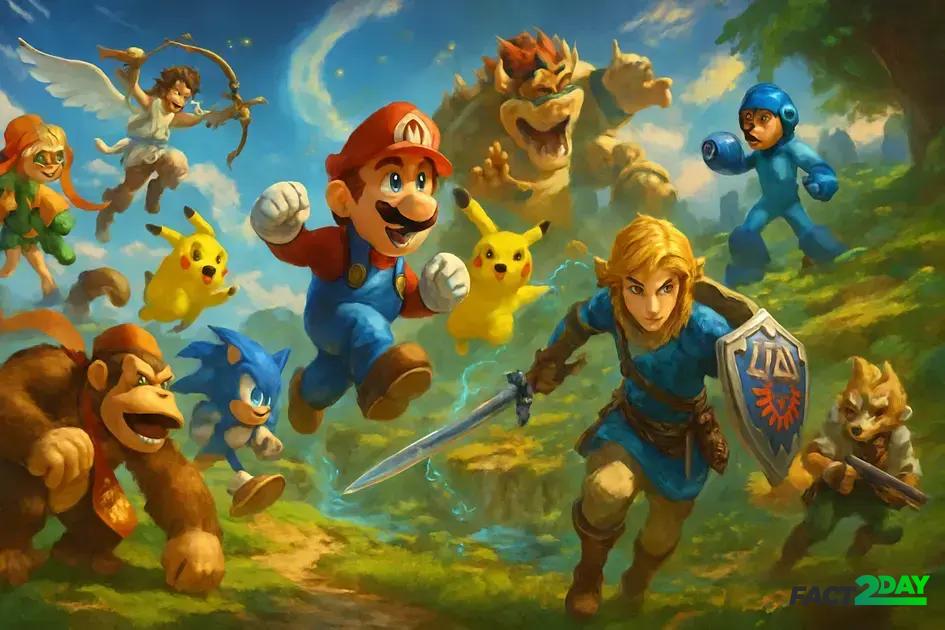
Crossover games blend characters and worlds from multiple franchises to create unique gameplay, storytelling, and community experiences that unite diverse player bases.
Have you ever been drawn into the magic of crossover games? These unique experiences bring beloved characters from different worlds together in ways that spark curiosity and joy. Let’s explore this fascinating blend of game universes and what makes these crossovers so special.
The rise of crossover games and why they captivate players
Crossover games have surged in popularity due to their unique ability to merge beloved characters and worlds, creating fresh and exciting gameplay experiences. Players enjoy the thrill of seeing familiar heroes and villains interact in unexpected ways, sparking curiosity and nostalgic delight.
These games captivate audiences by blending genres and mechanics from different franchises, which opens up new creative possibilities. Instead of sticking to a single storyline or style, crossover games offer diverse challenges and strategies that keep gamers engaged longer.
Moreover, the social and community aspect plays a major role. Fans of different series come together, generating excitement through shared discussions, fan theories, and competitive play. This blending of fanbases fuels anticipation when new crossover titles are announced.
The rise of crossover games also aligns with the trend of collaborative entertainment where creators experiment beyond traditional boundaries. By combining popular intellectual properties, publishers tap into multiple markets simultaneously, enhancing both financial success and player satisfaction.
Iconic character mashups that defined crossover gaming
Iconic character mashups are at the heart of what makes crossover gaming so thrilling. These mashups bring together fan-favorite heroes and villains from different franchises, creating memorable interactions and battles that fans never imagined. For example, games like Super Smash Bros. feature an ensemble cast where characters from diverse game universes collide, making the gameplay rich and unpredictable.
Such mashups offer not only visual appeal but also a blend of unique abilities and playstyles. Players can experiment with characters who have vastly different movesets and powers, which keeps the gameplay fresh and exciting. This variety pushes game developers to design balanced mechanics that honor each character’s original traits.
Beyond gameplay, these iconic pairings spark creativity within fan communities. Players discuss potential matchups and dream about new combinations, fueling interest in crossover games. This dynamic exchange between developers and fans often leads to special editions and sequels that feature even more unexpected character lineups.
Key examples of character mashups
- Super Smash Bros. – a pioneer that brought Nintendo and third-party characters together.
- Marvel vs. Capcom – a legendary fighting game combining superheroes and video game icons.
- Kingdom Hearts – intertwines Disney characters with Final Fantasy heroes.
These mashups demonstrate how mixing characters from different worlds can enrich storytelling and gameplay, making crossover games a unique phenomenon in the gaming landscape.
How crossover games expand storytelling across universes
Crossover games offer a unique platform to expand storytelling by blending characters and narratives from different universes. This merging allows developers to create new plotlines that explore how characters from separate worlds interact, face challenges, and sometimes form alliances or rivalries.
These games often introduce fresh narrative possibilities by combining distinct lore and settings. Storylines can explore “what if” scenarios, answering questions fans have about how their favorite characters might react when placed in unfamiliar situations.
By crossing over different universes, writers have the freedom to mix genres and themes. For instance, combining fantasy elements with sci-fi settings can broaden a game’s appeal and deepen the player’s engagement by offering varied storytelling layers and surprises.
Many crossover games use episodic content or special missions to expand the narrative further. This approach keeps the story evolving with updates, introducing new characters and twists that maintain player interest over time.
The integration of diverse characters also challenges writers to respect each universe’s essence while crafting coherent and compelling stories. This balance is critical to satisfy fans of both worlds and to create an immersive experience.
Gameplay innovations unique to crossover titles
Crossover games often introduce innovative gameplay mechanics that blend elements from multiple franchises. These innovations create unique experiences, allowing players to explore new ways of interacting with familiar characters and environments.
One common innovation is hybrid combat systems that combine fighting styles or abilities from different series. For example, some crossover titles mix real-time action with turn-based strategy, offering a fresh challenge that appeals to fans of both styles.
Another hallmark is the ability to swap characters mid-game, letting players switch between heroes from different universes. This mechanic adds strategic depth, as each character brings unique skills that must be used wisely to succeed.
Developers also often incorporate dynamic environments that reflect multiple worlds within a single level. This setting diversity offers varied gameplay challenges and keeps players engaged as they adapt to changing conditions.
Additionally, crossover games may feature custom modes that blend genres, such as combining puzzle-solving elements with competitive multiplayer. These features boost replay value and attract a diverse audience.
Overall, gameplay innovations in crossover titles demonstrate how combining ideas from various games leads to creative and engaging experiences that stand out in the gaming landscape.
The challenge of balancing multiple game mechanics in crossovers
One of the biggest challenges in creating crossover games is balancing multiple game mechanics from different franchises. Each game universe has unique rules, combat styles, and play systems that fans expect to see preserved. Combining these elements without sacrificing gameplay quality requires careful design.
Developers must ensure that no character or mechanic overshadows others. Balancing character abilities is critical so that gameplay feels fair, especially in competitive modes. This often involves extensive testing and tweaking to find the right power levels.
Besides characters, different games may have distinct core mechanics like turn-based combat, real-time action, or puzzle-solving. Successfully merging these systems demands creative solutions that respect each mechanic’s strengths while offering a seamless experience.
Another challenge is maintaining the feel and identity of each game’s world. Integrating multiple environments and gameplay elements into one cohesive game requires syncing art styles, control schemes, and user interfaces.
Player experience is also vital. The game should feel intuitive even with diverse mechanics, avoiding a steep learning curve that might frustrate players unfamiliar with some franchises.
Overall, balancing multiple mechanics requires collaboration between designers, programmers, and testers to deliver a polished and enjoyable crossover game.
Fan reactions and community impact of crossover announcements
Fan reactions to crossover game announcements are often intense and enthusiastic. These moments spark widespread discussion across social media, forums, and gaming communities as players speculate about character lineups, gameplay features, and story possibilities.
The excitement creates a sense of unity among diverse fanbases. Players from different franchises converge to celebrate the merging of their favorite worlds, building anticipation and loyalty towards the game.
Communities often produce fan art, theories, and content inspired by these announcements, further enriching the cultural impact of crossover games. This creative exchange strengthens connections between players and developers.
However, fan reactions can also include skepticism or concerns about how well the crossover will balance characters or respect original stories. Developers pay close attention to this feedback to improve the final product.
Community engagement during these announcements can boost game popularity and sales. Live streams, trailers, and reveal events become opportunities to connect directly with audiences, generating buzz that extends beyond traditional marketing.
Ultimately, crossover game announcements are major events that impact fan culture, making them vital parts of the gaming ecosystem.
Crossovers as a bridge between genres and player bases
Crossover games serve as a unique bridge between different game genres and diverse player bases. By combining elements from multiple game types, these crossovers attract fans who might not normally engage with certain genres, encouraging exploration and broadening gaming horizons.
For example, a crossover between a fighting game and an RPG can introduce action-oriented players to rich storylines and character development while inviting RPG fans to experience fast-paced combat. This blending creates opportunities for players to enjoy fresh gameplay styles in a familiar context.
Crossovers also unite varied communities. Fans from different franchises come together, sharing a common interest in the merged universe. This leads to enriched social interactions, collaborative play, and larger online communities.
Developers leverage this synergy by designing mechanics that balance the expectations of each genre while creating a seamless experience. This approach can revive older gaming styles by giving them new life within crossover environments.
Moreover, crossovers enable experimentation with hybrid gameplay, mixing strategic planning, action, puzzle-solving, and storytelling in ways that appeal across player segments.
Such genre-blending ultimately expands the reach and impact of games, fostering inclusivity and innovation in the gaming world.
The role of nostalgia in popularizing crossover games
Nostalgia plays a powerful role in popularizing crossover games. These games often bring back beloved characters and elements from classic titles, sparking fond memories among longtime gamers. This connection to the past creates an emotional bond that attracts players to new crossover experiences.
Many crossover games intentionally include iconic characters and familiar settings from earlier eras, appealing to players’ desire to relive their favorite gaming moments. This strategy not only draws veteran players but also introduces younger audiences to classic franchises.
The nostalgic factor also drives fan excitement before and after release. Players enjoy revisiting favorite characters in new contexts, which fuels community discussions, fan art, and social sharing that boost the game’s visibility.
Developers often use updated graphics and modern gameplay while preserving the essence of beloved classics. This balance respects nostalgia while providing fresh and engaging experiences.
Overall, nostalgia enriches crossover games by connecting generations of gamers and blending the old with the new in creative ways.
Economic and marketing benefits of crossover collaborations
Crossover collaborations offer significant economic and marketing benefits for game developers and publishers. By merging popular franchises, companies tap into multiple fan bases, expanding their market reach and increasing sales potential.
Crossover games often generate high anticipation and media buzz, which translates to strong pre-orders and day-one purchases. The combined appeal of multiple well-known characters and worlds attracts both loyal fans and new players.
Marketing campaigns for these collaborations leverage the recognizable power of each franchise, creating unique promotional opportunities. Trailers, events, and merchandise gain wider attention by appealing to diverse audiences simultaneously.
Economically, crossovers can reduce risks by sharing development costs and maximizing returns through joint branding. This synergy often leads to higher profits compared to releasing separate titles.
Furthermore, crossover collaborations encourage long-term engagement through downloadable content and expansions featuring new characters or storylines, sustaining sales beyond the initial launch.
These games also foster partnerships between companies, opening doors for future projects and cross-promotions that benefit the industry as a whole.
What the future might hold for game universe crossovers
The future of game universe crossovers looks promising as technology and storytelling continue to evolve. With advances in graphics, AI, and online connectivity, developers can create more immersive and dynamic crossover experiences that bring characters and worlds to life like never before.
We can expect crossovers to explore deeper narratives that connect multiple universes, offering complex story arcs and branching choices that engage players on new levels. This could lead to expansive shared worlds where franchises coexist and interact continuously.
Technological innovations like virtual reality (VR) and augmented reality (AR) may play a significant role, allowing players to experience crossovers in more immersive and interactive ways. Imagine stepping into a virtual space where characters from different games mingle and collaborate in real time.
Additionally, the rise of cloud gaming and multiplayer platforms will enable seamless integration of crossover content, allowing players from various regions and communities to join forces or compete across universes.
Developers may also experiment with more frequent and flexible crossover events, keeping games fresh with regular updates that introduce new characters, missions, and challenges.
Overall, the future holds exciting possibilities as crossover games blend creativity, technology, and community to offer unique gaming experiences.
Embracing the Excitement of Crossover Games
Crossover games continue to captivate players by blending favorite characters and worlds in unique ways. This fusion opens doors to innovative gameplay, rich storytelling, and strong community engagement.
As technology advances, these games will only become more immersive and dynamic, offering players fresh experiences that connect diverse genres and fan bases.
Whether driven by nostalgia, creativity, or collaboration, crossover games hold a special place in gaming culture and promise an exciting future filled with endless possibilities.