Paradise Lost: The Rise and Fall of History’s Most Curious Utopian Societies
Comunidades utópicas falhas revelam sonhos perdidos e desafios reais, mostrando caminhos curiosos que essas sociedades tentaram trilhar.
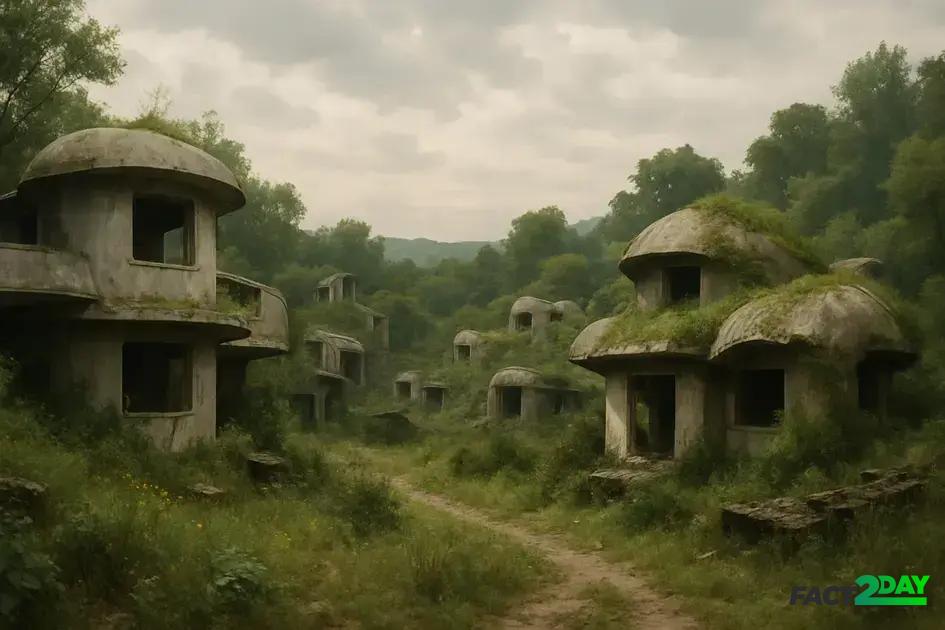
Failed utopian communities are groups that strive for perfect societies but collapse due to problems such as rigid leadership, insufficient resources, and internal conflicts.
Have you ever wondered how failed utopian communities emerge and why they fail? Often, these collective dreams hide challenges as profound as their aspirations. Let’s explore this fascinating universe together.
what are utopian communities and their ideals
Utopian communities are groups of people who come together with the goal of creating an ideal society. These societies often aim for values like equality, shared resources, harmony with nature, and peace. The main idea is to live better lives by building a community that solves social, economic, or political problems found in larger societies.
Most utopian communities are based on strong ideals like cooperation, self-sufficiency, and fairness. For example, some focus on collective ownership where no individual owns private property, while others emphasize spiritual harmony or ecological living. These ideals are meant to inspire a perfect or nearly perfect way of living.
Common characteristics of utopian communities
- Shared ownership and responsibilities.
- Rules that promote equality and cooperation.
- Close connection with nature or sustainable living.
- Focus on education, health, and well-being.
Despite their differences, all utopian communities share a hope of improving human relationships and society. However, putting these ideals into practice is challenging and often leads to unexpected problems.
main causes of failures in utopian communities
Many utopian communities fail due to a mix of practical challenges and human nature. Lack of sustainable resources often causes problems; without enough food, water, or money, the community can’t survive long-term. Also, strict rules can create tension among members when personal freedom is limited.
Internal conflicts and leadership issues
Conflicts often arise from differing opinions or power struggles. When leaders become too controlling or unfair, it undermines trust. Communication breakdowns make it harder to solve problems together.
Isolation and external pressures
Many utopian societies isolate themselves from the outside world, which can limit access to trade, technology, or new ideas. They also face criticism or legal challenges from governments or neighbors, adding stress. These pressures often increase over time and contribute to collapse.
Successful communities must balance idealism with realistic planning and flexible leadership to avoid these pitfalls, but this balance is hard to achieve in practice.
lessons learned from failed utopias
Failed utopian communities teach us valuable lessons about the balance between idealism and reality. One key lesson is that flexibility in leadership is crucial. Rigid rules and authoritarian leaders often cause divisions and resentment, while openness to change encourages harmony.
Importance of realistic planning
Successful societies need solid plans for resources like food, water, and money. Many utopias failed because they underestimated these needs. Strong economic models that allow for trade and self-sufficiency help communities endure challenges.
Social dynamics and communication
Trust and cooperation are essential. When conflicts arise, communities must foster open communication to resolve issues rather than suppress dissent. Otherwise, small disagreements can fracture the group.
These lessons show that while the vision of a perfect society is inspiring, practical steps and human understanding are required to turn dreams into lasting realities.
Understanding the rise and fall of utopian communities
Exploring utopian communities shows us the challenges of building perfect societies. While these groups are driven by noble ideals, practical issues like leadership, resources, and social dynamics often lead to failure.
Learning from past mistakes helps us see that flexibility, realistic planning, and open communication are key to creating lasting communities. These lessons can inspire future efforts to build better societies, combining idealism with grounded actions.
Ultimately, the story of utopian communities reminds us that creating paradise is complex but can teach valuable truths about human nature and cooperation.