The Scent of Conversation: How Plants Communicate Chemically with Each Other (and with Insects)
Comunicação química em plantas revela um mundo sutil onde elas conversam e influenciam insetos e outras plantas por meio de sinais invisíveis.
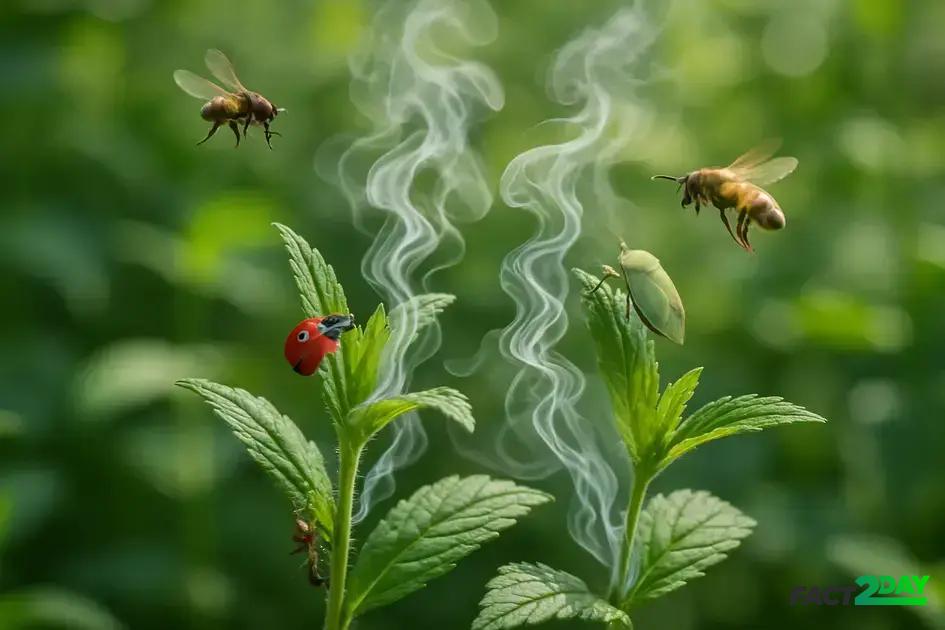
Chemical communication in plants involves the exchange of chemical signals that allow plants to alert each other to threats, attract pollinating insects, and strengthen their defenses, directly influencing the interaction between plants and their environment.
Have you ever stopped to realize that plants have their own language? Chemical communication in plants is an invisible dialogue that can surprise those who allow themselves to listen to the silence of nature. Want to discover how they communicate with each other and with the insects around them?
How plants send and receive chemical signals
Plants communicate through a fascinating process of sending and receiving chemical signals. These signals, often volatile organic compounds, travel through the air or soil to alert nearby plants about threats or environmental changes. When a plant is attacked by herbivores, it releases specific chemicals that can warn others to boost their defenses or attract predators of those herbivores.
Besides airborne signals, roots also participate in communication by releasing substances into the soil. These chemicals can influence the growth of neighboring plants or engage with beneficial microorganisms to improve nutrient absorption. This underground exchange forms an intricate network known as the “wood wide web.”
Through these chemical signals, plants can effectively respond to stress, adapt to their environment, and even coordinate with others to enhance survival chances. This subtle language is essential for maintaining balance in ecosystems and helps us understand how smart and interconnected plants truly are.
the role of insects in chemical communication
Insects play a crucial role in the world of chemical communication among plants. Many plants release specific scents and chemicals to attract insects for pollination, which is vital for their reproduction. These chemical signals can guide insects to the right flowers, ensuring that pollen is transferred efficiently.
Besides pollination, some plants emit warning chemicals that attract predatory insects. These predators then protect the plants by feeding on harmful herbivores. This natural defense mechanism creates a mutual relationship between plants and insects based on chemical signals.
Insects also help spread these chemical messages by carrying scents or by physically transferring substances between plants. This interaction strengthens the communication network and influences entire ecosystems. Understanding this complex dialogue between plants and insects unveils the importance of chemical signaling beyond what meets the eye.
practical applications of plant communication
Understanding plant chemical communication has led to several practical applications in agriculture and environmental management. Farmers can use this knowledge to develop natural pest control methods by planting species that emit chemicals attracting beneficial insects, thus reducing the need for harmful pesticides.
Crop diversity planning also benefits from chemical communication studies, allowing farmers to plant companion crops that help each other resist pests and diseases through shared chemical signals. This leads to healthier plants and better yields.
Additionally, researchers are exploring ways to enhance plant communication to improve stress resistance. For example, treating plants with specific chemical signals can prepare them to better withstand drought, heat, or pathogen attacks. This approach offers promising alternatives for sustainable farming and environmental conservation.
Understanding the power of chemical communication in plants
Plants have a unique way of interacting with their environment through chemical signals, influencing not only other plants but also insects and entire ecosystems.
By learning how this communication works, we can apply natural methods to improve agriculture, protect crops, and foster healthier environments.
The more we explore this subtle conversation among plants, the better we can use it to build sustainable solutions for the future.