O Menu Bizarro da Natureza: Hábitos Alimentares Mais Estranhos e Chocantes do Reino Animal
Comportamento alimentar estranho de animais revela segredos incomuns na natureza que surpreendem e encantam quem observa de perto seus hábitos.
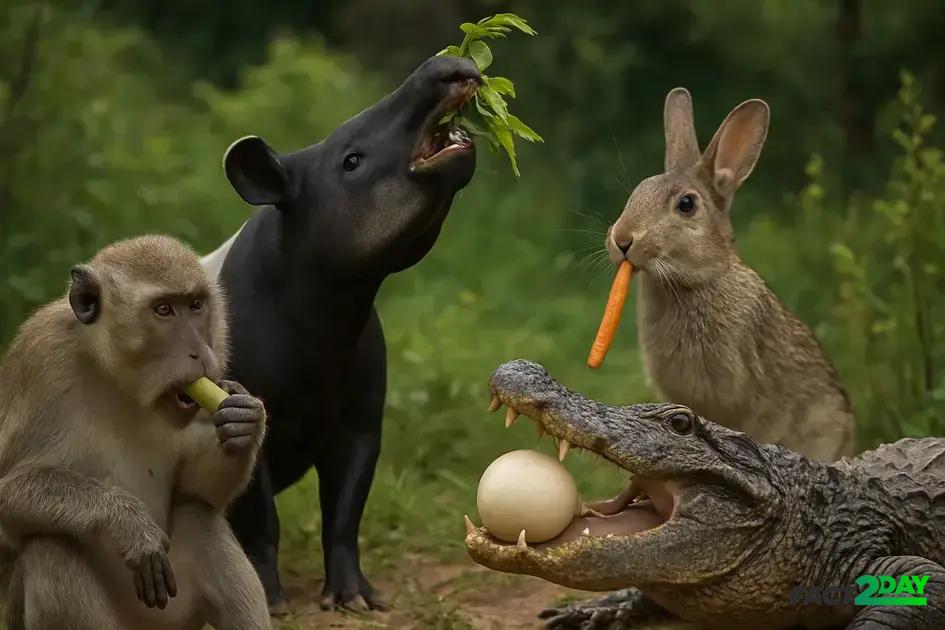
Comportamento alimentar estranho de animais inclui hábitos únicos como o consumo de sangue, canibalismo e dietas especializadas que são adaptações essenciais para sua sobrevivência e equilíbrio ecológico.
Já sentiu curiosidade sobre o comportamento alimentar estranho de animais? Muitas vezes ignorados, esses hábitos contam histórias únicas da sobrevivência e adaptação na natureza.
curiosidades sobre o comportamento alimentar estranho de animais
Animals exhibit a wide range of unusual eating habits that can seem bizarre to humans but make sense within their environments. For example, the vampire bat feeds exclusively on blood, using sharp teeth to make small cuts on other animals. Another intriguing case is the pufferfish, which arranges intricate patterns in the sand to attract mates while also foraging for food.
Some species engage in cannibalism as a survival strategy, such as the praying mantis, where females sometimes eat males after mating to gain nutrients. The hoatzin bird digests leaves through fermentation, similar to cows, which is quite rare among birds.
Other animals display unexpected dietary choices: the monarch butterfly caterpillar feeds on toxic milkweed, which makes it poisonous to predators. The slug-eating snake streams prey through unusual hunting techniques, often surprising with its feeding methods.
Surprising adaptations
These behaviors show how nature equips animals with specialized skills and diets to thrive. Each odd habit serves a unique purpose, from nutrition to protection, highlighting the diversity and complexity of the animal kingdom.
estratégias adaptativas e surpreendentes no reino animal
Animals develop adaptive feeding strategies to survive in harsh and changing environments. These strategies often involve unique hunting methods, food storage, or dietary shifts. For instance, the arctic fox changes its diet seasonally, eating small rodents in the summer and scavenging frozen caribou in winter.
Some species use clever tactics to access food. The octopus, known for its intelligence, uses tools like coconut shells as protective shelters while foraging, demonstrating problem-solving skills. Woodpecker finches in the Galápagos use twigs or cactus spines to extract insects from tree bark.
Feeding adaptations for survival
Many animals have physical adaptations that support their strange eating habits. The giraffe’s long neck helps it reach leaves high in trees, avoiding competition. Similarly, the elephant seal fasts for months during breeding season, relying on fat stores accumulated from intense feeding bouts.
These strategies reveal the incredible flexibility of animal diets. Whether through altered behavior or specialized bodies, animals adjust to ensure their nutritional needs are met despite challenges in their habitats.
impactos e reflexões sobre hábitos alimentares incomuns
Unusual feeding habits in animals often have significant ecological impacts. For example, animals that consume toxic plants, like the monarch butterfly caterpillar eating milkweed, influence predator-prey relationships by becoming poisonous themselves. This affects the food chain and ecosystem balance.
Moreover, these strange diets can lead to unique evolutionary paths. Species that rely on rare or specific food sources may become highly specialized, making them vulnerable to environmental changes. This specialization can threaten their survival if their food source disappears.
Human reflections on unusual diets
Understanding the diversity of animal diets challenges our perception of what is “normal” feeding behavior. It reminds us of nature’s incredible adaptability and complexity. These habits also inspire biomimicry in science, leading to innovations based on animal strategies.
However, human actions, such as habitat destruction, can disrupt these delicate feeding systems. Protecting diverse ecosystems is essential to preserve these bizarre yet fascinating behaviors in the wild.
Understanding the strange feeding habits of animals
Exploring the strange and surprising feeding habits of animals helps us appreciate the complexity of nature. These behaviors reveal how animals adapt in unique ways to survive and thrive.
Seeing these habits through an ecological and evolutionary lens shows their importance and fragility. It also invites us to reflect on how human actions can affect the natural balance.
By protecting diverse habitats and respecting these unusual behaviors, we help maintain the incredible variety of life on Earth. This knowledge can inspire curiosity and deeper care for the world around us.