The Future is Streaming: How Cloud Gaming is Changing How We Play
Cloud Gaming Revolution is transforming how we play, offering instant access and endless worlds without hardware limits. Discover its future today.
Exoplanets are worlds orbiting stars beyond our solar system, discovered through methods like light dimming during transits, revealing the vastness and mystery of our galaxy.
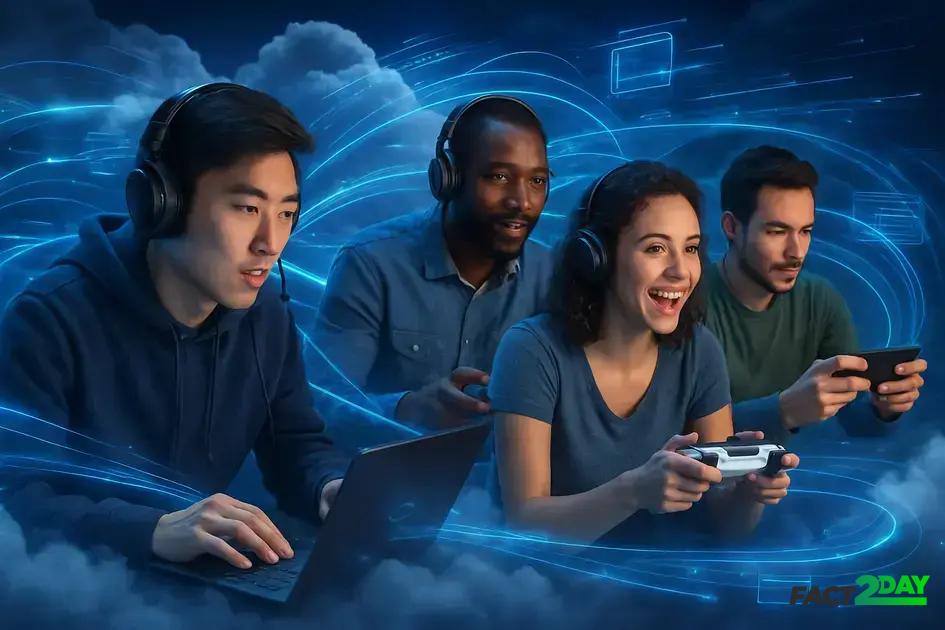
Imagine a world where you can jump into your favorite game from anywhere, no console needed. The Cloud Gaming Revolution is making that dream real, changing the way we play and connect. But how exactly is streaming reshaping gaming? Let’s explore this thrilling evolution together.
What is cloud gaming and why it matters
Cloud gaming is a technology that lets you play video games directly over the internet without needing a powerful console or PC. Instead of running the game on your local device, the game is hosted on remote servers and streamed to you, much like how you stream movies or music. This means you can jump into high-quality games on almost any device—from smartphones to smart TVs—without worrying about hardware limits.
Why does this matter? Because cloud gaming removes barriers such as expensive equipment and complicated setups, making gaming more accessible to everyone. Players can start games instantly, without waiting for downloads or updates, and developers can reach larger audiences more easily. It also allows for flexible play, so you can switch devices without losing progress.
Accessibility and convenience
With cloud gaming, you only need a stable internet connection to dive into your favorite titles. This opens doors for casual gamers, people in regions with less gaming infrastructure, and those who want to game on the go. It also helps level the playing field, as you don’t need high-end hardware to enjoy the latest games.
Impact on the gaming industry
Cloud gaming pushes the industry toward new business models, like game subscriptions and instant access libraries. It encourages innovation and changes how games are developed, often focusing on streaming optimization and cross-platform compatibility.
Overall, cloud gaming is an important step toward the future of play, making gaming more flexible, accessible, and connected.
The evolution of gaming technology
Gaming technology has come a long way from simple pixelated screens to immersive virtual worlds. Early games were limited by hardware and graphics, often running on personal computers and home consoles with basic processing power.
From consoles to powerful PCs
Over time, consoles evolved, introducing 3D graphics, online multiplayer, and richer gameplay experiences. Personal computers grew stronger, allowing for larger, more detailed games with improved AI and physics.
Rise of mobile and handheld gaming
Mobile devices changed the gaming landscape by putting games in the hands of millions worldwide. Handheld consoles like the Nintendo Switch combined portability with power, attracting broad audiences.
Emergence of streaming and cloud gaming
Cloud gaming builds on this evolution by removing the need for powerful local devices. Instead, games run on remote servers and stream directly to players. This trend represents a major shift, enabling instant access and cross-device play.
The evolution of gaming technology continues to push boundaries, focusing on improved graphics, seamless connectivity, and accessible play. This progress sets the stage for exciting innovations like virtual reality, augmented reality, and next-generation streaming.
How streaming tech powers cloud gaming
Streaming technology is the backbone of cloud gaming. It allows games to be processed on powerful servers and sent as video streams to players’ devices in real time. This means the hardware on your end doesn’t need to handle the game’s heavy graphics or computations.
How data travels in cloud gaming
When you play a game via the cloud, your inputs—like button presses—are sent to the server. The server processes the game and sends back the video stream almost instantly. This exchange has to be fast and smooth to avoid lag and keep gameplay responsive.
Importance of compression and low latency
Video compression technology reduces the size of data being transmitted, making it easier to stream high-quality images even over limited bandwidth. At the same time, low latency—a short delay between your input and the server’s response—is critical for a good gaming experience.
Adaptive streaming and network optimization
Modern cloud gaming systems use adaptive streaming to adjust video quality based on your internet speed, ensuring smooth gameplay without frequent buffering. Network optimization techniques also help reduce delays by choosing the fastest data routes between player and server.
The integration of streaming tech with gaming makes cloud gaming possible, delivering high-end games instantly and on various devices without heavy local hardware.
Benefits of cloud gaming for players
Cloud gaming offers several benefits that change how players enjoy video games. The first is instant access. Since games run on remote servers, players can start playing immediately without waiting for downloads or installations.
Play anywhere, anytime
Cloud gaming lets you play your favorite games on different devices, like phones, tablets, or low-powered laptops, as long as you have a good internet connection. This freedom means you’re not tied to a single device or location.
Cost savings
Players save money by avoiding the need to buy expensive gaming hardware. Instead of upgrading your console or PC, the heavy lifting is done in the cloud, so older or cheaper devices can still run high-quality games smoothly.
Automatic updates and less maintenance
Games on the cloud update automatically on servers, so players don’t worry about patches or storage space. That means less hassle and more time for playing.
Access to a large game library
Many cloud gaming services offer subscription models, giving players access to a wide variety of games without purchasing each title separately. This encourages players to try new genres and experiences easily.
Better social and multiplayer experiences
Cloud technology supports seamless multiplayer gaming and social features, helping players connect and collaborate globally without hardware limitations.
Common challenges in cloud gaming
Despite its promise, cloud gaming faces several common challenges that affect user experience. One key issue is latency, which is the delay between a player’s input and the game’s response. Higher latency can make fast-paced games frustrating to play.
Internet connection requirements
Cloud gaming demands a stable, high-speed internet connection. Players with slower or unreliable connections may experience lag, buffering, or poor video quality. This can limit accessibility for those in areas with weak internet infrastructure.
Data usage and bandwidth limits
Streaming games consumes significant data, sometimes exceeding hundreds of megabytes per hour. This can be costly or impractical for users with data caps or limited plans.
Server availability and load
Game performance depends on server capacity and location. Overloaded servers or distant data centers can cause delays and degraded gameplay.
Compatibility and device limitations
Not all games are optimized for cloud streaming, and some devices might struggle with decoding the video stream smoothly, leading to stuttering or reduced frame rates.
Ownership and game libraries
Many cloud gaming services operate on a subscription model, meaning players don’t own the games outright. Changes in service offerings or licensing can remove games from the library unexpectedly.
Security and privacy concerns
Since cloud gaming involves transmitting data over the internet and storing game data on servers, there are concerns about data privacy and protection from cyber threats.
How latency impacts gameplay experience
Latency refers to the delay between a player’s input and the game’s response. In cloud gaming, this delay is measured from the moment you press a button to when you see the action happen on-screen. Low latency is essential for smooth, responsive gameplay, especially in fast-paced games.
Effects of high latency
High latency can cause noticeable lag, where actions feel delayed or out of sync with your commands. This can make games frustrating, especially in competitive genres like shooters or racing games where split-second decisions matter.
Factors contributing to latency
Latency depends on several factors, including network speed, server distance, and the quality of streaming technology. Even a small increase can impact gameplay quality.
Reducing latency
To minimize latency, cloud gaming platforms use advanced compression, edge servers close to players, and optimized data routing. Gamers can also improve their experience with fast internet connections and wired networks.
Overall, managing latency is critical for delivering an enjoyable and fair gaming experience in the cloud.
Platforms leading the cloud gaming revolution
Several platforms are at the forefront of the cloud gaming revolution, delivering high-quality streaming services to gamers worldwide. These platforms offer large game libraries, cross-device compatibility, and innovative features that attract millions of users.
Google Stadia
Launched by Google, Stadia allows players to stream games instantly without downloads. It integrates well with YouTube, enabling live streaming and seamless gameplay sharing.
Microsoft Xbox Cloud Gaming (Project xCloud)
Microsoft’s service brings Xbox games to smartphones, tablets, and PCs. Thanks to Xbox Game Pass integration, players get access to a vast catalog of games with their subscription.
NVIDIA GeForce Now
NVIDIA offers a cloud gaming service that lets players stream games they already own from platforms like Steam. High-performance servers provide smooth experiences for demanding titles.
Amazon Luna
Amazon Luna provides access to games through a subscription model and features channel subscriptions that let users pick genres or providers. It benefits from Amazon’s massive cloud infrastructure.
PlayStation Now
Sony’s platform offers streaming of PlayStation titles to PS4, PS5, and PC, expanding gaming options beyond traditional consoles.
Together, these platforms drive the transition to cloud-based gaming, making games more accessible and flexible, while shaping the future of play.
The role of 5G and fast internet
5G and fast internet are crucial for delivering a smooth cloud gaming experience. These technologies provide the speed and low latency needed to stream high-quality games without interruptions or delay.
How 5G improves cloud gaming
5G networks offer much faster data transfer rates and lower latency compared to previous generations. This allows games to be streamed in higher resolution with minimal lag, even on mobile devices.
Benefits of fast internet connections
Fast broadband connections reduce buffering and improve the responsiveness of cloud games. Players with reliable fiber-optic or high-speed wireless internet can enjoy consistent, high-quality gameplay.
Reducing latency and buffering
Low latency is essential for real-time interactions in multiplayer games. 5G and advanced internet technologies help minimize delays by improving network stability and reducing data packet loss.
Overall, the advancements in internet connectivity are key factors enabling the rise of cloud gaming by making it accessible, reliable, and enjoyable on various devices and locations.
Security and privacy considerations
Security and privacy are critical concerns in cloud gaming. Since games and personal data are stored on remote servers, protecting this information from unauthorized access is essential.
Data protection measures
Cloud gaming providers use encryption to secure data in transit and at rest. This helps prevent hackers from intercepting sensitive information such as account details and payment data.
User privacy
Platforms must comply with privacy laws by managing user data responsibly. This includes clear policies on data collection, usage, and sharing, giving players control over their information.
Server security
Service providers invest in robust cybersecurity protocols to defend servers against attacks, such as Distributed Denial of Service (DDoS) and malware threats. Regular security updates help maintain system integrity.
Risks of public networks
Using cloud gaming on public Wi-Fi can expose users to security risks. Players are advised to use virtual private networks (VPNs) or secure connections to protect their data.
Understanding these security and privacy considerations helps gamers stay safe while enjoying cloud gaming’s benefits.
Impact on traditional gaming consoles
Cloud gaming is reshaping the role of traditional gaming consoles. As games can now be streamed directly over the internet, consoles that rely on physical media and local hardware face new challenges.
Less dependence on hardware upgrades
With cloud gaming, players do not need to constantly upgrade consoles to enjoy the latest games. The heavy processing is done on remote servers, reducing the need for powerful local devices.
Changing business models
Console manufacturers may shift focus towards subscription services and cloud platforms rather than hardware sales. This could alter how games are marketed and sold.
Hybrid models emerge
Some consoles are incorporating cloud gaming to complement physical game libraries, giving players the best of both worlds with access to expansive game catalogs and offline play.
Challenges for traditional consoles
While consoles offer exclusive titles and optimized performance, cloud gaming threatens to reduce their market share as instant access and device flexibility attract more players.
Overall, the impact on traditional gaming consoles is significant, pushing the industry towards a more flexible and cloud-centric future.
Future technologies enhancing streaming
Future technologies are set to greatly enhance the streaming experience in cloud gaming. Innovations in hardware and software will improve video quality, reduce latency, and expand accessibility.
Artificial intelligence and machine learning
AI can optimize video compression dynamically, delivering sharper images without using excessive bandwidth. Machine learning algorithms help predict user behavior to pre-load game assets, reducing delays.
Edge computing
By processing data closer to players through edge servers, edge computing minimizes the physical distance data travels. This reduces latency and improves responsiveness.
Improved codecs and compression techniques
New video codecs will allow higher-quality streams at lower data rates. This means better graphics with less buffering, benefiting users on limited internet plans.
Virtual and augmented reality integration
Streaming will increasingly support VR and AR games, delivering immersive experiences without requiring powerful local devices.
Enhanced network protocols
Protocols designed for gaming, like QUIC, improve data transmission speed and reliability, making cloud gaming smoother.
These emerging technologies together will push cloud gaming to new heights, making streaming more seamless and enjoyable.
How developers create games for the cloud
Creating games for the cloud involves different approaches compared to traditional game development. Developers design with streaming technology and diverse devices in mind to ensure smooth gameplay for all users.
Optimizing performance for streaming
Developers focus on minimizing latency and bandwidth use. They optimize graphics and compress data efficiently so games run well even on slower connections.
Cross-platform compatibility
Cloud games must work across many devices such as phones, tablets, PCs, and smart TVs. Developers use tools and engines that support multi-platform deployment to reach a wider audience.
Adapting controls and interfaces
Since players use different inputs like touchscreens, controllers, or keyboards, developers design flexible control schemes and user interfaces optimized for various devices.
Cloud-specific features
Developers integrate cloud features like instant saves, multiplayer matchmaking, and dynamic content updates that happen on the server without interrupting gameplay.
Testing and quality assurance
Cloud games go through extensive testing on different network speeds and devices to ensure consistent performance and reliability.
This development approach helps deliver high-quality, accessible gaming experiences that take full advantage of cloud streaming capabilities.
The social and community aspect of cloud gaming
The social and community aspects of cloud gaming are becoming key to player engagement. Streaming games over the cloud allows players to connect, compete, and collaborate more easily across devices and locations.
Seamless multiplayer experiences
Cloud gaming supports real-time multiplayer modes without hardware limits, letting players join friends or global communities instantly. This opens doors to new social gaming opportunities.
Integrated chat and social features
Many cloud platforms include built-in voice and text chat, friend lists, and social sharing tools. These features help players stay connected while gaming and share achievements quickly.
Streaming and content creation
Cloud gaming’s close ties to streaming platforms let gamers broadcast gameplay live, fostering communities and fan bases. This interactive element adds a social twist to gaming.
Community-driven game enhancements
Developers often listen to cloud gaming communities to improve games with updates, patches, or new content that reflect player feedback, creating a dynamic gaming environment.
Overall, cloud gaming enhances community interaction by breaking down barriers related to hardware and location, making gaming a more social and collaborative experience.
What the future holds for gamers worldwide
The future of gaming looks bright for players worldwide, driven by cloud technology and faster networks. This evolution promises more accessibility, variety, and social interaction.
Global accessibility
Cloud gaming removes barriers by letting gamers play anywhere on any device without expensive hardware. This helps players in regions with limited access to high-end consoles or PCs.
Expanding game libraries
Subscription models and instant streaming give players access to huge game collections, encouraging exploration of new genres and indie titles.
More social and connected experiences
Advances in cloud gaming support multiplayer, live streaming, and community features that bring players together across the globe.
Innovations in technology
Emerging tech like virtual reality, augmented reality, and AI-enhanced gaming will blend with cloud streaming to create immersive and personalized experiences.
Challenges and opportunities
While internet infrastructure and latency remain challenges, ongoing improvements and investments aim to bridge gaps and make gaming truly global.
Overall, gamers worldwide can expect a future full of innovative, accessible, and connected gaming experiences that transcend traditional limits.
The future of gaming is here
The cloud gaming revolution is changing how we play, making games more accessible, social, and flexible than ever before. With faster internet and powerful servers, the limits of hardware are fading away.
Players worldwide can enjoy a wide range of games instantly, on any device, and connect with friends easily. While challenges like latency and security remain, ongoing advancements promise an even better experience ahead.
As technology evolves, cloud gaming will continue shaping a future where gaming is more inclusive, exciting, and connected for everyone.