The Blue Potato: A Colorful Root with Powerful Antioxidants
Blue potato offers vibrant color and rich antioxidants that may boost your health in surprising ways. Discover this lively root’s benefits today.
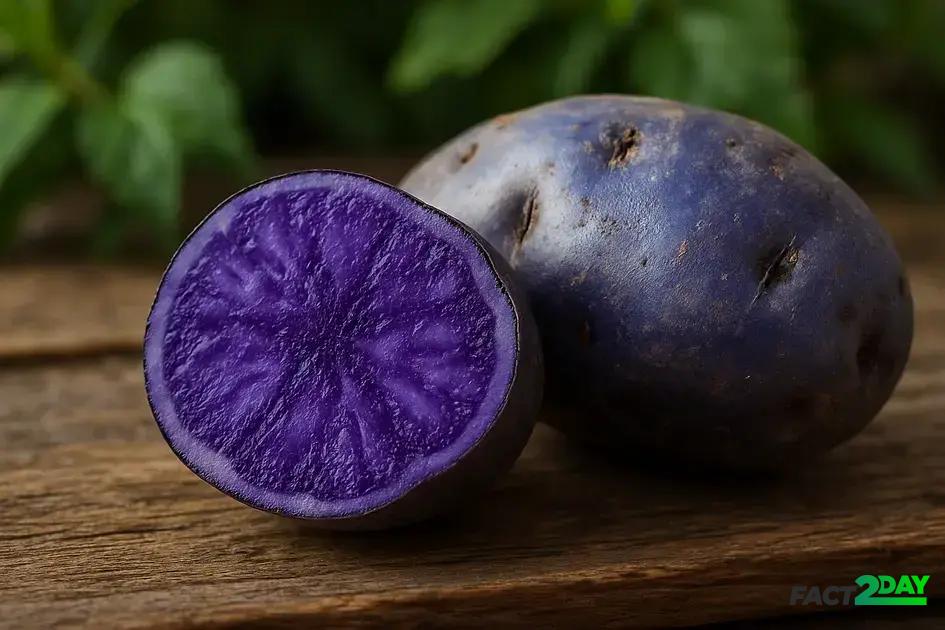
Blue potato is a nutrient-rich root vegetable known for its vibrant color and high antioxidant content, offering unique health benefits and versatility in cooking compared to traditional potatoes.
Have you ever wondered about the charm hidden in a simple tuber? The blue potato carries more than just a captivating hue; it whispers stories of rich antioxidants and unique flavors. Let’s explore this colorful root together and see what it might offer your plate and health.
The origin and history of the blue potato
The blue potato traces its origins back to the Andean region of South America, where indigenous peoples cultivated a wide variety of colorful potatoes for thousands of years. This root vegetable was prized not only for its vibrant hue but also for its nutritional benefits and resilience to harsh climates. Ancient farmers selected and preserved these unique potatoes, passing down agricultural knowledge through generations.
Historically, the blue potato was a staple food in native diets, valued for its ability to provide essential nutrients and energy. Its distinctive blue-purple skin and flesh are due to natural pigments called anthocyanins, which also serve as antioxidants. These colorful potatoes were part of cultural traditions and cuisine long before they caught the attention of global markets.
In recent decades, the blue potato has gained popularity worldwide, celebrated in gourmet cooking and health-conscious diets. Its journey from remote mountain farms to modern kitchens highlights the fusion of tradition and innovation in agriculture and food culture.
Nutritional profile of the blue potato
The blue potato is not only visually striking but also packed with valuable nutrients. It contains a good amount of complex carbohydrates, which provide steady energy throughout the day. Unlike some other potatoes, the blue variety tends to have higher levels of fiber, aiding digestion and promoting a healthy gut.
Potassium is abundant in blue potatoes, which supports heart health and helps regulate blood pressure. They also offer vitamin C, which boosts the immune system and assists in collagen formation for healthy skin. Moreover, blue potatoes contain notable levels of iron and B vitamins, essential for energy production and overall vitality.
The rich blue-purple color of these potatoes comes from anthocyanins, powerful antioxidants that may reduce inflammation and protect cells from damage. Consuming antioxidants is linked to lower risks of chronic diseases such as heart disease and some cancers.
Overall, the blue potato presents a well-rounded nutritional profile, making it a smart choice for those seeking both taste and health benefits in their diet.
Health benefits tied to its antioxidants
The blue potato is rich in anthocyanins, a type of antioxidant that gives it its unique blue-purple color. These antioxidants help protect the body from harmful molecules called free radicals, which can cause cell damage and lead to chronic diseases. Regular consumption of foods high in antioxidants like the blue potato may support overall health.
Studies suggest that anthocyanins can reduce inflammation, improve heart health by lowering blood pressure, and potentially lower the risk of some cancers. They also help improve brain function by protecting brain cells from oxidative stress.
Additionally, the antioxidants in blue potatoes may support eye health and enhance the immune system. Including blue potatoes in your diet can be an enjoyable way to boost your antioxidant intake while benefiting from its natural nutrients.
Eating a variety of colorful fruits and vegetables, including blue potatoes, ensures a wide range of antioxidants and nutrients that promote long-term wellness.
How blue potatoes differ from traditional varieties
Blue potatoes differ from traditional white or yellow potatoes in several key ways. The most obvious difference is their vivid blue-purple skin and flesh, caused by natural pigments called anthocyanins. These pigments not only give the potato its vibrant color but also provide additional health benefits through their antioxidant properties.
In terms of taste, blue potatoes often have a slightly sweeter and nuttier flavor compared to traditional varieties. Their texture tends to be denser and firmer, which makes them ideal for roasting, baking, or making colorful mashed potatoes.
Nutritionally, blue potatoes generally contain higher levels of antioxidants and sometimes more fiber than conventional potatoes. They provide essential nutrients like potassium, vitamin C, and B vitamins, contributing to a balanced diet.
From a growing perspective, blue potatoes can be more resilient to certain pests and diseases, often thriving in cooler climates where some white potatoes might struggle.
Overall, blue potatoes offer a unique combination of taste, color, and nutrition that sets them apart from traditional potato varieties.
Tips for cooking and enjoying blue potatoes
Blue potatoes can be cooked in many delicious ways that highlight their unique color and flavor. Roasting is a popular method, as it brings out a nutty, earthy taste and keeps the texture firm. Simply toss blue potato chunks with olive oil, salt, and your favorite herbs, then roast at 400°F until crispy on the outside and tender inside.
Boiling or steaming blue potatoes allows you to preserve their vibrant color and nutritional value. They make an eye-catching addition to salads or can be mashed for a colorful twist on a classic side dish. When mashing, consider mixing them with regular potatoes for a contrast in color and texture.
Blue potatoes also work well in soups and stews, adding both color and substance. For frying, their dense texture holds up well, creating crispy blue potato fries that stand out on any plate.
To fully enjoy blue potatoes, avoid peeling off their skin, as much of their fiber and antioxidants reside there. Experimenting with spices like paprika, garlic, and rosemary can complement their natural flavor.
Growing blue potatoes at home
Growing blue potatoes at home is a rewarding experience that doesn’t require a big garden. You can start by obtaining blue potato seed tubers from a reputable source. Choose a sunny spot with well-draining soil, as potatoes need plenty of sunlight and loose ground to thrive.
Prepare the soil by loosening it and mixing in compost or organic matter to boost fertility. Plant the seed tubers about 4 inches deep and 12 inches apart, with the eyes facing upward. Cover them lightly with soil.
Water your blue potatoes regularly to keep the soil moist but not soggy. It’s important to hill the plants by piling soil around the stems as they grow to encourage more tuber production and protect them from sunlight.
Watch for pests like Colorado potato beetles and aphids, and consider natural pest control methods to keep your plants healthy. After about 70 to 90 days, you can begin harvesting when the plants’ foliage starts to yellow and die back.
Homegrown blue potatoes bring a fresh, earthy flavor to your table and the joy of cultivating your own nutritious root vegetable.
Blue potato’s role in traditional and modern diets
Blue potatoes have played an important role in traditional diets of Andean cultures for centuries. They were a staple food, providing essential nutrients and energy to communities living in high-altitude regions. These potatoes were often cooked in simple ways such as boiling or roasting and were valued for their ability to store well through long winters.
In modern diets, blue potatoes are gaining popularity as a superfood due to their unique color and high antioxidant content. Nutrition enthusiasts and chefs alike use blue potatoes to add visual appeal and boost the nutritional value of meals. Their inclusion in salads, gourmet dishes, and even snacks illustrates a blend of traditional use and contemporary culinary innovation.
Many health-conscious consumers appreciate the blue potato’s antioxidants and fiber as part of a balanced diet. Blue potatoes offer a nutritious alternative to regular potatoes, making them a favored choice in vegetarian, vegan, and whole-food diets.
Because of their versatility, blue potatoes can be enjoyed in various cuisines around the world, reflecting a growing interest in diverse and colorful foods that support overall health.
Sustainability and environmental aspects of blue potato farming
Blue potato farming offers several sustainability benefits compared to some conventional crops. These potatoes are often grown using traditional farming methods that emphasize natural pest control and organic soil enrichment. This approach helps reduce the need for chemical pesticides and fertilizers, which benefits the environment.
The cultivation of blue potatoes can improve soil health by rotating with other crops and maintaining organic matter. Crop rotation also helps minimize soil erosion and break pest cycles, promoting healthier ecosystems around the farm.
Because blue potatoes typically thrive in cooler climates and higher altitudes, they can be grown in areas less suitable for other crops, making efficient use of otherwise underutilized land. This reduces pressure on prime agricultural land and helps diversify farming landscapes.
Furthermore, blue potato farming supports biodiversity by preserving heirloom varieties and local seed stocks. Small-scale farmers often engage in sustainable practices that prioritize long-term soil and environmental health over short-term yields.
By choosing blue potatoes, consumers encourage agricultural methods that contribute to environmental sustainability and protect natural resources.
Why the blue potato is worth adding to your diet
The blue potato is more than just a colorful root; it’s packed with antioxidants and essential nutrients that support overall health. From its rich history in traditional diets to its growing role in modern kitchens, blue potatoes offer unique flavors and benefits.
Whether you grow them at home or find them at the market, experimenting with blue potatoes can add variety and nutrition to your meals. Their sustainable farming practices also make them a responsible choice for conscious consumers.
Adding blue potatoes to your diet is a simple and delicious way to enjoy a nutritious food with a fascinating story. Give them a try and discover the many benefits this vibrant root can bring to your table.