The Perfumed Gold: The Most Bizarre and Bloody Origins of Our Favorite Spices
Explore the bizarre spice origins and uncover the shocking, bloody stories behind the world's most cherished flavors.
Okay, so get this: have you ever stumbled onto something super weird in a game that wasn’t supposed to be there? Back in the original Pokémon Red and Blue, there was a glitch — and not just any glitch, but a legendary one: MissingNo.
If you went fishing on Cinnabar Island, this messed-up block of pixels would suddenly appear. It looked like static, sounded creepy, and could totally break your game. Your Hall of Fame could get corrupted, graphics would glitch out—total chaos!
But here’s the crazy part: players actually loved it. Why? Because catching MissingNo would duplicate items in your inventory, giving you unlimited Rare Candies or Master Balls. What started as a game-breaking bug turned into a secret cheat code, an unofficial feature players swore by. Seriously, what other game turns a programming error into a fan-favorite legend? Mind. Blown.
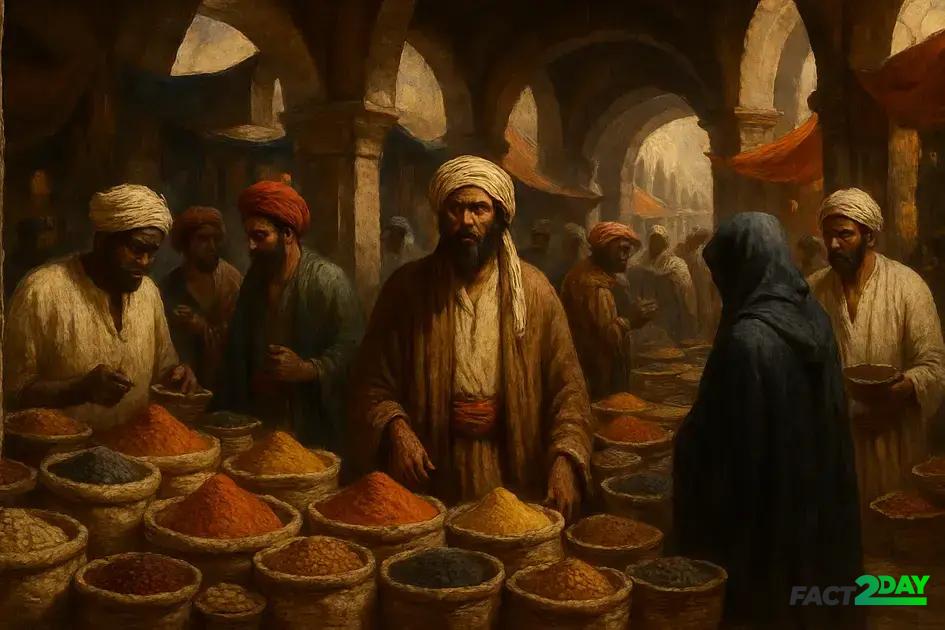
Okay, so get this! The Bizarre Spice Origins of our favorite flavors are not just about taste—they’re soaked in history, epic quests, and downright wild stories. You won’t believe what’s behind that sprinkle on your food!
The Ancient Hunt for Spices: Why They Were Worth More Than Gold
Spices were once considered more valuable than gold because of the incredible rarity and high demand in ancient times. Early civilizations viewed spices not only as flavor enhancers but also as symbols of wealth, status, and power. Traders and explorers risked their lives traveling great distances across dangerous lands and seas just to obtain these precious items.
Many spices came from remote regions, such as the islands of the East Indies and the forests of India and Sri Lanka. The difficult journey and limited availability made spices extremely costly. For example, black pepper was nicknamed “black gold” because it was so prized.
Ancient empires and kingdoms invested heavily in controlling spice routes and markets. Spices were often used to preserve food, mask strong flavors, and even in religious rituals and medicines. This multi-purpose value increased their desirability beyond simple seasoning.
The pursuit of spices drove significant cultural exchanges and economic developments around the world. Traders established complex networks, and some of the earliest trade routes, like the Silk Road, were crucial to transporting spices. This global quest for flavor ultimately shaped history and the very way societies evolved.
How Spices Sparked Wars and Conquests in History
The quest for spices was a major driver of wars and conquests throughout history, as different empires competed to control the lucrative spice trade routes. Spices such as cloves, nutmeg, and pepper were so valuable that controlling their production meant enormous economic and political power.
The Portuguese and the Spice Islands
In the 15th and 16th centuries, the Portuguese embarked on expeditions to find a sea route to the Spice Islands (now part of Indonesia). Their arrival marked the beginning of European colonialism in Asia, leading to conflicts with local kingdoms and rival European powers.
European Rivalries
Spain, the Netherlands, England, and France all sought to dominate spice-producing regions. The Dutch East India Company and British East India Company were established to protect and expand their countries’ spice interests, often through military force and alliances.
Spice Wars and Treaties
The intense competition led to several conflicts, collectively known as the Spice Wars, where naval battles and territorial disputes over control of spice islands and trade routes were common. These conflicts shaped global politics and contributed to the rise of colonial empires.
Ultimately, the pursuit of spices fueled exploration, colonization, and warfare, making them more than just kitchen ingredients—they were catalysts for historical change.
Blood and Sweat: The Harsh Conditions of Spice Harvesting
The harvesting of spices has historically been a grueling task, demanding immense physical effort under harsh conditions. Many spices grow in tropical climates where heat and humidity are intense. Workers often had to spend long hours picking delicate pods, seeds, or bark by hand to avoid damaging these precious resources.
Labor-Intensive Processes
Spices like saffron require precise timing and skilled hands, as the stigmas must be picked before they wilt. Nutmeg involves harvesting seeds from heavy fruits, which can be dangerous and exhausting work. Clove harvesters climb tall trees to pick flower buds, risking falls and injury.
Exploitation and Hardship
Historically, many laborers faced harsh exploitation on spice plantations and farms. In some cases, slavery and indentured servitude were common, as demand skyrocketed and growers sought cheap, controllable labor. The work was often backbreaking, with little pay or protection against the elements.
Despite technological advances, manual harvesting remains essential for quality and flavor, meaning many spice workers today still endure difficult conditions. Understanding these backgrounds gives us a deeper appreciation for the spices’ journey from farm to table.
The Dark Side of the Spice Trade: Pirates and Smugglers
The spice trade was not only a story of wealth and exploration but also of danger and crime. Pirates and smugglers played a significant role in this dark side, attacking ships laden with precious spices to steal their valuable cargo. These ruthless bands often operated in remote waters where law enforcement was weak.
Pirate Attacks on Spice Ships
During the height of the spice trade, pirate ships prowled the Indian Ocean and the Strait of Malacca, targeting merchant vessels. These attacks were brutal, involving battles and the capture of entire crews. The threat of piracy forced traders to hire armed escorts, increasing the cost of transporting spices.
Smuggling to Avoid Taxes and Monopolies
Smuggling was a common practice to bypass taxes and monopolies imposed by colonial powers. Many smugglers operated secret routes, hiding spices in cargoes to trick customs officers. This illicit trade undermined official businesses but also helped spread spices to new regions.
The presence of pirates and smugglers added layers of risk and drama to the spice trade, showing that the journey from farm to table was often fraught with peril beyond simple geography.
Legendary Spices and Their Mythical Origins
Many spices carry with them legends and myths that add to their allure and mystique. These stories often reflect the cultural importance and the almost magical qualities attributed to spices in ancient times.
The Legend of Cinnamon
Cinnamon was once believed to be a gift from the gods. Ancient Egyptians thought cinnamon was so precious that it was reserved for embalming the dead and religious ceremonies. Legends tell of giant birds that guarded cinnamon trees, and people had to risk their lives to collect it.
Nutmeg’s Mythical Protection
Nutmeg was said to have magical powers to protect against illness and evil spirits. Early Europeans believed carrying nutmeg could bring good luck and health. This spice’s rarity made it a symbol of wealth and divine favor.
Cloves and Their Sacred Status
In some cultures, cloves were considered sacred and used in rituals to ward off evil. Its aromatic power was thought to cleanse the air and mind. The mystical status of cloves added to the demand and perceived value.
These legendary tales not only elevated the spices’ market value but also deeply influenced cultural traditions and stories passed down through generations, enriching their historical background and making them more than mere flavorings.
From Forbidden to Famous: How Spices Transformed Cuisine
Spices once forbidden or reserved for the elite eventually became staples that transformed global cuisine. Their journey from rare luxuries to everyday ingredients tells a story of cultural exchange and changing tastes.
The Early Restrictions
For centuries, spices were highly controlled by powerful empires and wealthy classes. Some spices were even banned or heavily taxed to maintain control and maximize profits. This made spices symbols of status and exclusivity.
The Spread Through Trade and Exploration
As explorers discovered new lands and trade routes, spices began to spread widely. The Columbian Exchange introduced spices to the Americas, while merchants brought Asian spices to Europe and the Middle East. This opened up new culinary possibilities.
Transformation of Global Cuisine
Spices revolutionized food around the world by adding flavor, preservation, and health benefits. Cuisines that once relied on simple ingredients began to incorporate exotic spices, creating rich and diverse tastes that reflected cultural blending.
From fiery chili peppers in Latin America to aromatic cardamom in Middle Eastern dishes, spices reshaped how people cook and eat, turning once-forbidden ingredients into beloved favorites worldwide.
The Role of Spices in Ancient Medicine and Magic
Spices have long been linked to ancient medicine and magical practices across many cultures. They were believed to hold healing powers and spiritual significance far beyond their culinary uses.
Medicinal Uses of Spices
Many spices were used to treat illnesses and improve health. For example, turmeric was valued for its anti-inflammatory properties, while cinnamon was used to fight infections. Ancient doctors often incorporated spices into remedies and potions.
Spices in Magical Rituals
Spices played a key role in magic and religious ceremonies. They were burned as incense to purify spaces, drive away evil spirits, and attract positive energy. Cloves, frankincense, and myrrh were among the most important in these rituals.
The combination of healing and mystical beliefs made spices treasured ingredients in both medicine cabinets and temples. Their connection to both body and spirit helped cultures view them as gifts from the divine.
Obscure Spices with Truly Strange Backstories
Some spices have truly strange and obscure backstories that make them fascinating beyond their flavor. These tales reveal how spices have been entwined with mystery, fear, and adventure throughout history.
Asafoetida: The Stinky Spice
Asafoetida, sometimes called “devil’s dung,” is known for its strong, unpleasant smell. Historically, people believed it had supernatural powers to ward off evil spirits. Despite its reputation, it is prized in many cuisines for its unique flavor.
Grains of Paradise: The Pepper Substitute
Once used as a substitute for black pepper in medieval Europe, Grains of Paradise come from West Africa. Their mysterious origin and exotic taste made them a highly sought-after spice with a story full of trade secrets and exploration.
Long Pepper: The Forgotten Hot Spice
Long pepper was once more popular than black pepper, prized for its intense heat and unique flavor. Its decline is linked to changing trade routes and tastes, turning it into a spice with a somewhat lost history.
These unusual spices remind us that behind every flavor lies a rich history filled with unexpected and strange stories, reflecting the deep cultural connections spices hold worldwide.
Spice Routes: The Dangerous Journeys That Changed the World
Spice routes were some of the most treacherous trade paths in history. Traders braved deserts, mountains, and seas filled with thieves and natural dangers to deliver precious spices from the East to the West.
The Silk Road and Beyond
The famous Silk Road was not just for silk; it was a vital spice route linking Asia to Europe. Caravans traveled for months across harsh landscapes, facing bandits, harsh climates, and political conflicts.
Maritime Spice Routes
Sea routes across the Indian Ocean and the South China Sea connected spice-producing islands to major ports. These waters were perilous due to storms, pirates, and unknown territories. Yet, these routes opened global trade and cultural exchanges.
The risks of these journeys made spices even more valuable. The courage and endurance of the traders who navigated these dangerous paths shaped the world’s economy and brought diverse cultures together.
The Economic Impact of Spices in Medieval Times
The spice trade was a powerful economic force in medieval times, shaping markets, wealth, and political power across continents. Spices were among the most valuable commodities, often worth more than gold, which fueled trade and generated vast riches.
Spices as Currency of Wealth
Medieval merchants and nobles prized spices for their rarity and luxury. Owning spices was a clear sign of wealth and status. They were used as gifts, symbols of power, and sometimes even as forms of currency in barter systems.
The Rise of Trade Centers
Major cities and ports like Venice, Genoa, and Constantinople thrived due to their control over spice routes and trade. These centers became hubs of commerce, attracting merchants, bankers, and artisans, which boosted local economies and cultural exchanges.
The economic boost from spices also influenced the political landscape. Kingdoms and merchant groups invested in naval fleets to protect trade routes, and competition over spice control sparked conflicts, driving exploration and colonization efforts that reshaped the medieval world.
Famous Explorers Driven by the Spice Obsession
Many famous explorers were driven by an obsession with spices, seeking new routes to access these precious commodities. Their voyages changed the course of history and expanded the known world.
Christopher Columbus and the Search for Spices
Columbus’s initial voyage was motivated by the hope of finding a westward route to the spice-rich Indies. Although he landed in the Americas, his expedition opened the door to new trade opportunities.
Vasco da Gama’s Direct Sea Route
Vasco da Gama’s successful voyage to India established a direct sea route around Africa’s Cape of Good Hope. This breakthrough secured Portuguese control over the spice trade for decades and launched an era of European colonialism.
Ferdinand Magellan’s Global Voyage
Magellan’s expedition aimed to circumnavigate the globe, partly fueled by the desire to reach the Spice Islands. Though he did not complete the voyage himself, his fleet proved the earth’s roundness and the vastness of spice routes.
These explorers’ spice-driven missions were crucial in connecting continents, sparking cultural exchanges, and creating global trade networks that still impact us today.
Modern Spices and Their Unexpected Historical Roots
Many modern spices have surprising historical roots that trace back to ancient trade routes, conquests, and cultural exchanges. Their stories reveal how global connections shaped culinary traditions we enjoy today.
Chili Peppers and the Columbian Exchange
Originating in the Americas, chili peppers were unknown in Europe, Asia, and Africa until the 15th century. Following Columbus’s voyages, chilis spread rapidly across the world, transforming cuisines with their heat and flavor.
Vanilla’s Journey from Mexico
Vanilla, native to Mexico, was prized by the Aztecs before becoming a global sensation. Its cultivation spread through tropical regions worldwide, becoming essential in both sweet and savory dishes.
Black Pepper: The Ancient Favorite
Black pepper, once called “black gold,” has been a staple spice for centuries. Its cultivation and use spread from India to the Mediterranean, fueling trading empires and even influencing explorations.
These modern spices reflect a rich tapestry of global history, showing how ancient routes and cultural interactions continue to flavor our plates today.
The Lasting Legacy of Spices
The strange and bloody origins of our favorite spices reveal a history full of adventure, conflict, and cultural exchange. These prized ingredients shaped economies, sparked exploration, and transformed cuisines worldwide.
Understanding their stories helps us appreciate more than just their flavors—it shows the deep connections between food and history. Spices are truly the perfumed gold that changed the world in surprising and powerful ways.