Tree Burials and Ritual Cannibalism: The Most Bizarre Death Rituals of Ancient Civilizations
Discover the most bizarre death rituals, from tree burials to ritual cannibalism, and uncover ancient civilizations' strange traditions.
Frisson, the sensation of goosebumps from music, occurs when the brain activates reward and fear responses simultaneously, creating an intense emotional thrill linked to significance and attention.
Bizarre Death Rituals have fascinated and puzzled people for centuries. From the eerie practice of tree burials to the controversial ritual cannibalism, these ancient customs reveal much about human beliefs and fears around death. Ever wondered why some societies embraced such unusual traditions?
Introduction to bizarre death rituals
Bizarre death rituals have existed throughout human history, varying greatly across different cultures and time periods. These rituals often reflect deep cultural beliefs about life, death, and the afterlife. In many societies, unique practices were designed to honor the deceased, protect the living, or ensure safe passage for the dead’s spirit.
Early Examples of Unusual Death Rituals
From sky burials in Tibet to mummification in ancient Egypt, early civilizations developed diverse methods to handle their dead. Some practices were driven by religious beliefs, while others were shaped by environmental factors or social structures. For instance, sky burials involved exposing bodies to the elements and scavenging birds, symbolizing the return of the body to nature.
The Purpose Behind These Practices
Many bizarre death rituals serve symbolic or spiritual goals rather than mere practicality. They express respect, fear, or hope, often aimed at ensuring the deceased’s peaceful afterlife or preventing their spirit from causing harm. These rituals also help communities cope with loss and maintain social cohesion.
Understanding these death rituals offers valuable insight into ancient worldviews and human psychology. Though strange to modern eyes, they reveal how cultures have grappled with mortality in deeply meaningful ways.
Tree burials: an eco-friendly resting place
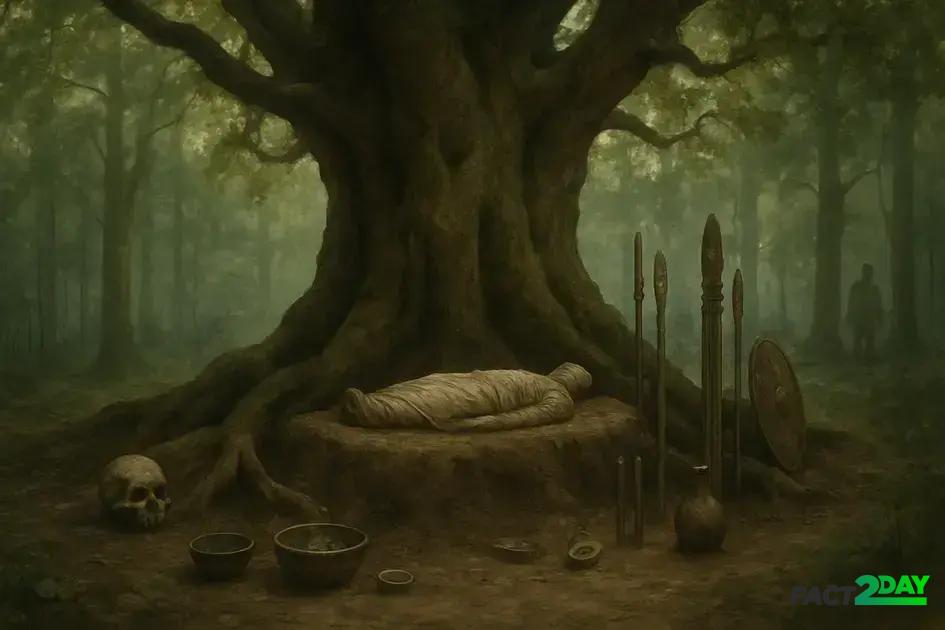
Tree burials are an ancient practice where the deceased’s body is placed in or on a tree, allowing nature to play a key role in the final stages of life. This method is seen as eco-friendly because it avoids traditional burial methods that use land or resources. The body is often wrapped in biodegradable materials and tied to large branches or placed in wooden boxes within the tree.
How Tree Burials Work
Instead of burying the body underground, tree burials use elevated platforms or naturally hollowed trunks. Over time, the body decomposes and becomes part of the tree and the surrounding ecosystem. This process symbolizes a deep connection between humans and nature, emphasizing the cycle of life and death.
Cultural Significance
Many indigenous groups, like some Native American tribes and communities in Asia, have used tree burials to honor their dead. They believe the spirits ascend with the tree or birds that visit the resting place. Such rituals highlight reverence for the environment and the natural order.
Tree burials offer a powerful reminder of sustainability, combining spiritual beliefs with ecological sensitivity. They are a unique way to celebrate life while minimizing harm to the planet.
The spiritual meaning behind tree burials
Tree burials carry deep spiritual significance in many cultures. They symbolize the cycle of life, death, and rebirth, with the tree acting as a bridge between the earthly and spiritual worlds. The deceased is believed to become part of the tree, which represents growth, renewal, and ongoing life.
Connection to Nature and Ancestors
For many indigenous groups, tree burials reflect respect for nature and ancestors. They believe that by resting in or on the tree, the departed soul remains close to the natural world and their community. This connection fosters harmony between the living and the dead.
Symbolism of the Tree
Trees often symbolize strength, wisdom, and protection. In the context of burial, they serve as a living monument to the deceased, continuously growing and changing. This ongoing growth represents the unending impact of an individual’s life and spirit.
Tree burials encourage reflection on mortality and our relationship with the environment. They remind us that death is not an end but part of a larger, spiritual journey connected to the world around us.
Ritual cannibalism: origins and beliefs
Ritual cannibalism is an ancient practice where consuming human flesh held deep spiritual or religious meaning. It was often believed to transfer the strength, knowledge, or spirit of the deceased into the living. This practice appears in various cultures worldwide, each with unique reasons and methods.
Origins of Ritual Cannibalism
Many anthropologists trace ritual cannibalism back to early societies trying to honor or commune with their dead. It was sometimes part of funerary rites or wartime customs. For example, some tribes believed eating parts of a powerful enemy could grant their bravery and power.
Beliefs Behind the Practice
Symbolism was key to ritual cannibalism. It was not about survival but carrying on the deceased’s spirit or strength. Some communities saw it as a sacred act, connecting the living and dead, and maintaining the balance of the cosmos.
Though controversial today, understanding ritual cannibalism helps reveal how ancient civilizations faced death, spirit life, and human connections in profound ways.
How different cultures practiced ritual cannibalism
Different cultures practiced ritual cannibalism with distinct rituals driven by beliefs or social structures. For example, the Fore people of Papua New Guinea consumed deceased relatives as a sign of respect and mourning, believing it helped free the spirit. Unfortunately, this led to the spread of kuru, a fatal disease.
Araweté Tribe
The Araweté of the Amazon practiced ritual cannibalism as part of warfare customs. Eating a fallen enemy was believed to absorb their power and courage, strengthening the tribe as a whole. This was a sacred act, not done out of hunger.
The Wari’ People
In Brazil, the Wari’ practiced endocannibalism, consuming parts of their dead loved ones to honor them. This was a deeply emotional ritual showing love and respect, connecting living family members with their ancestors.
Other Examples
Some ancient Mesoamerican cultures performed ritual cannibalism during religious ceremonies, often involving prisoners of war. Here, the act was symbolic of sacrifice to their gods and reinforcing social order.
Although controversial, these practices highlight how ritual cannibalism was woven into cultural identity and spirituality across diverse societies.
The role of death rituals in ancient societies
Death rituals played a crucial role in ancient societies, helping communities understand and cope with death. These rituals provided a way to honor the deceased and maintain a connection with their spirit. They also reinforced social order by uniting people through shared beliefs and practices.
Social and Spiritual Functions
Rituals surrounding death helped explain what happens after life ends, offering comfort against the fear of the unknown. They often involved prayers, offerings, or ceremonies meant to guide the soul to the afterlife or protect the living from malevolent spirits.
Community Bonding
Death rituals brought people together through collective mourning, celebration, and remembrance. These moments strengthened social ties and cultural identity, ensuring that traditions were passed down through generations.
Power and Control
In some societies, those who controlled death rituals held significant power. Leaders or priests directed ceremonies, reinforcing their authority and the community’s religious worldview. This control over death often translated to influence over daily life.
Overall, ancient death rituals reveal how deeply intertwined life, death, and culture were, showing respect for both the dead and the living.
Symbolism in bizarre death practices
Bizarre death practices often carry deep symbolic meanings that connect the living with the spiritual world. These symbols represent beliefs about life, death, and the afterlife, serving to communicate cultural values and fears.
Transformation and Renewal
Many rituals symbolize transformation, indicating that death is not an end but a change. For example, tree burials show the body returning to nature, suggesting rebirth and renewal through the living tree.
Protection and Guidance
Some death practices include symbols intended to protect the living and guide the deceased’s spirit. Placing specific objects in graves or practicing cannibalism were believed to either ward off evil spirits or help the soul cross to the afterlife safely.
Power and Respect
Rituals like cannibalism were sometimes used to absorb a person’s strength or honor the dead. The acts symbolized respect for the deceased’s qualities and ensured those traits lived on within the community.
Understanding these symbols helps us appreciate the complex ways ancient peoples coped with death, blending reverence, fear, and hope into meaningful ceremonies.
Other unusual burial methods around the world
Across the world, societies have developed a wide range of unusual burial methods that reflect their cultural beliefs and environmental conditions. These practices often challenge modern expectations but reveal unique approaches to honoring the dead.
Sky Burials
In Tibetan culture, sky burials involve exposing the body to the elements and animals, particularly vultures. This method is based on the belief that the body must return to nature and feed other living beings. It demonstrates respect for nature’s cycle.
Mummification
Ancient Egyptians practiced mummification, preserving the body through embalming to prepare it for the afterlife. This process was elaborate, symbolizing the importance of life after death and the preservation of the soul.
Cave Burials
Some cultures placed their dead in caves or cliffside niches. This protected the bodies and kept them close to sacred or remote places. These burials often included offerings and were considered a transition point between worlds.
Ice Burials
In some arctic or high-altitude cultures, bodies were buried in ice or snow, naturally preserving them. These burials required adaptation to cold climates and often held spiritual significance related to purity and stillness.
These diverse burial methods highlight the creativity and depth of human rituals around death, reflecting values, environment, and spirituality.
Connection between death rituals and ancestor worship
Death rituals are closely linked to ancestor worship in many cultures, where honoring the dead ensures their continued influence and protection over the living. These practices emphasize respect, remembrance, and the belief that ancestors remain active members of the community.
The Role of Ancestor Worship
Ancestor worship involves rituals such as offerings, prayers, and festivals to maintain a bond with deceased family members. By doing so, people seek blessings, guidance, and protection from their forebears.
Death Rituals as a Means of Connection
Specific death rituals often establish the foundation for ongoing ancestor worship. Proper burial or cremation ceremonies are believed to help the spirit transition peacefully, enabling it to watch over and assist descendants.
Cultural Examples
In many East Asian societies, tomb sweeping festivals and household altars keep ancestors’ memories alive. Similarly, African and Indigenous American traditions include ceremonies that honor ancestors to strengthen community ties.
The interconnection between death rituals and ancestor worship reflects humanity’s enduring desire to respect heritage, maintain family bonds, and find comfort in the presence of those who came before.
The impact of death rituals on cultural identity
Death rituals greatly influence a culture’s identity, reflecting shared values, beliefs, and social structures. These practices shape how communities understand life, death, and their place in the world. Through rituals, cultures express their unique worldview and maintain continuity across generations.
Reinforcing Community Bonds
Death rituals bring people together in moments of grief and remembrance. They strengthen social ties by uniting individuals in collective mourning and celebration, reaffirming cultural traditions.
Expressing Cultural Values
The way a society honors its dead reveals its beliefs about spirituality, respect, and the afterlife. For example, elaborate ceremonies may highlight the importance of ancestry, while simpler rites might emphasize humility and nature.
Preserving Heritage
Many death rituals serve as a link to the past, preserving stories and customs. They allow communities to pass on their history and values, making cultural identity resilient despite external changes.
Overall, death rituals are a powerful tool for expressing and preserving cultural identity, helping societies navigate the mysteries of life and death with shared meaning.
Misunderstandings and myths about death rituals
Many death rituals have been misunderstood or surrounded by myths, often due to cultural differences and lack of context. These misinterpretations can lead to unfair judgments or sensationalized stories about ancient practices.
Common Misunderstandings
Some bizarre death rituals, like ritual cannibalism or tree burials, are often viewed through modern lenses that ignore their spiritual or cultural significance. People may mistakenly see these practices as barbaric without understanding their symbolic purpose.
Myths Spread by Media and Literature
Popular media often exaggerates or distorts death rituals to provoke shock or curiosity. This can create myths that overshadow the true meanings behind the ceremonies and disrespect the cultures that practice them.
Importance of Cultural Context
Understanding the context and beliefs behind death rituals is essential to appreciating their value. These practices often aimed to honor, protect, or connect with the deceased, reflecting deep human concerns about mortality and the afterlife.
By challenging myths and misconceptions, we can foster respect and deeper knowledge of the diverse ways humans deal with death.
Preservation techniques in ancient funerary customs
Ancient civilizations developed various preservation techniques to protect and honor the dead. These methods ensured the body’s integrity for religious, spiritual, or cultural reasons. They also reflected the society’s beliefs about the afterlife and resurrection.
Mummification
One of the most famous preservation techniques is mummification, prominently practiced by the ancient Egyptians. This process involved removing internal organs, drying the body with natron salts, and wrapping it meticulously in linen. It aimed to preserve the physical body for the soul’s journey after death.
Embalming
Various cultures used embalming methods, applying natural resins, oils, and herbs to slow decay. Embalming was common in ancient societies that valued the intact body for religious ceremonies or social status.
Use of Natural Environments
Some civilizations preserved bodies through environmental means, such as burials in ice, peat bogs, or dry deserts. These natural conditions slowed decomposition, with famous finds like bog bodies revealing incredible preservation.
Encasing and Coffins
Elaborate coffins, sarcophagi, and burial boxes were crafted to protect and honor the dead. Often decorated with symbols and inscriptions, they served both practical and spiritual purposes.
These preservation techniques showcase the diverse ways ancient cultures approached death, emphasizing respect, memory, and beliefs about life’s continuity beyond death.
Modern fascination with ancient death rituals
Modern fascination with ancient death rituals reflects a deep curiosity about how past cultures understood life and death. People today often explore these practices to gain insight into human history, spirituality, and cultural diversity.
Interest in Archaeology and Anthropology
Scientists and historians study ancient rituals to uncover social structures, religious beliefs, and cultural practices. Unearthed burial sites and artifacts help piece together stories about civilizations long gone.
Pop Culture and Media Influence
Movies, documentaries, and books frequently feature bizarre death rituals, fueling public interest. This fascination often mixes fact with myth, creating a captivating narrative around these ancient customs.
Spiritual and Personal Connections
Some people find inspiration in ancient death practices for their own spiritual beliefs or alternative rituals. These customs remind modern society of different ways to face mortality and honor the dead.
Ultimately, this fascination underscores humanity’s quest to understand death’s mysteries and the diverse ways cultures have expressed respect for life’s final passage.
What we can learn from these ancient practices
Ancient death rituals offer valuable lessons about respect, community, and our connection to nature. By examining these practices, we gain insight into how humans have sought meaning around life and death throughout history.
Respect for the Natural World
Many rituals emphasize harmony with nature, reminding us of the importance of environmental balance and sustainability. Practices like tree burials highlight a deep respect for the earth and cycles of life.
Community and Cultural Identity
Death rituals show how societies use shared ceremonies to strengthen social bonds and preserve cultural heritage. They remind us that community support is vital during times of loss and transition.
Understanding Mortality
These ancient customs reflect a profound acceptance of mortality and encourage reflection on the mysteries of life and death. They teach us to face death with reverence, faith, or curiosity rather than fear.
Exploring these rituals helps us appreciate diverse worldviews and may inspire modern approaches to honoring loved ones and coping with grief.
Understanding the richness of ancient death rituals
Exploring the bizarre death rituals of ancient civilizations reveals much about how humans have dealt with life, death, and the afterlife. These practices show a deep connection to nature, community, and spirituality.
By learning from these ancient customs, we can appreciate the diverse ways cultures honor their dead and find meaning in mortality. They remind us of the importance of respect, tradition, and reflection.
Ultimately, these rituals invite us to see death as a natural part of life, encouraging compassion and curiosity about the mysteries that connect us all.