Leeches and Trepanation: The Most Bizarre and Painful Medical Treatments of Antiquity
Discover the shocking world of bizarre ancient medicine with painful treatments like leeches and trepanation that shaped early healing practices.
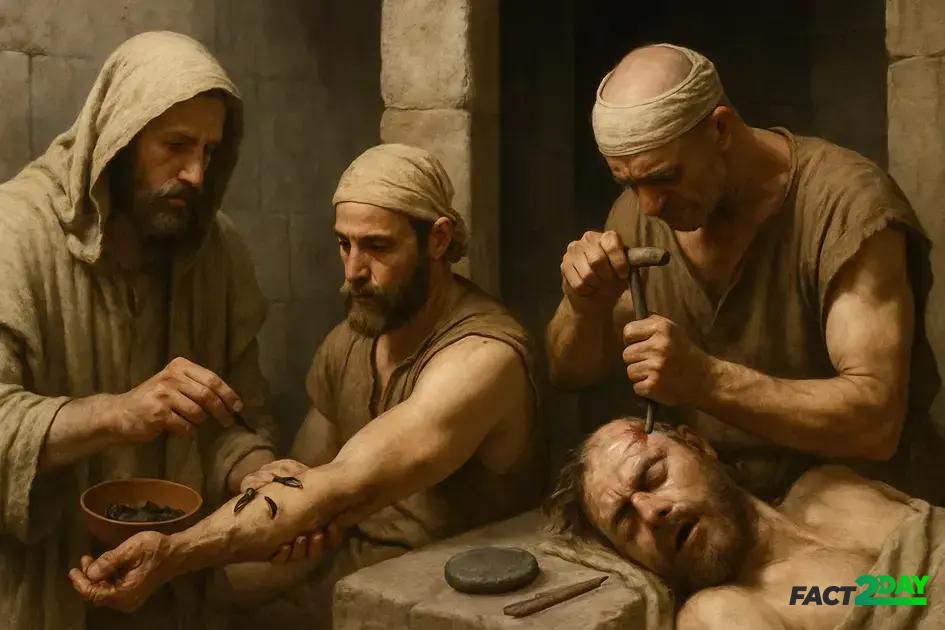
Bizarre ancient medicine involved extreme treatments like leeches and trepanation, revealing early humans’ attempts to understand and combat illness with limited knowledge and often painful methods.
Have you ever heard about bizarre ancient medicine practices that seem like science fiction? Discover how treatments involving leeches and skull drilling were once common and why they fascinated early healers and their patients.
The origins of ancient medicine and its strange methods
Ancient medicine originated from a blend of observation, belief, and trial-and-error. Early civilizations often explained illnesses through spiritual or supernatural causes rather than biological ones. Strange methods arose as healers sought to balance the body and spirit, relying on herbs, rituals, and physical interventions. For instance, ancient Egyptians and Mesopotamians used a combination of prayers, potions, and surgery to treat various ailments. Early medical texts, like the Ebers Papyrus, reveal a deep connection between magic and medicine.
Many treatments aimed to expel evil spirits or restore bodily harmony. Practices such as bloodletting, using leeches, or trepanation drilling holes into the skull were based on the idea of releasing harmful forces or pressure. These unusual approaches were common across cultures, from China to Greece, reflecting a shared attempt to understand health before modern science.
The origins of ancient medicine remind us how health care evolved from mystical and experimental roots to systematic science. Understanding these beginnings sheds light on why some strange methods became widespread and why some continue to fascinate today.
How leeches were used in ancient healing practices
Leeches were widely used in ancient healing practices as an early form of bloodletting. The belief was that removing blood could balance bodily fluids, or “humors,” and cure diseases. Medicinal leeches were applied to the skin, where they would latch on and suck blood, releasing saliva that contains anticoagulants to keep the blood flowing.
This method was common among Greek, Roman, and Egyptian healers. It was thought to help with conditions such as fever, inflammation, and even mental illness. Leeches were carefully placed on the body in specific locations to target particular illnesses.
The practice required skill, as too much blood loss could be harmful. Ancient physicians monitored patients closely and sometimes used leeches multiple times for treatment. Despite seeming strange today, leech therapy has persisted and inspired modern medical uses, such as improving blood circulation in reconstructive surgery.
The practice and purpose of trepanation in antiquity
Trepanation was a surgical technique used in antiquity that involved drilling or scraping a hole into the skull. This practice had various purposes, both medical and spiritual. Some believed it released evil spirits or relieved pressure from head injuries, while others used it to treat epilepsy, migraines, or mental disorders.
The procedure required careful skill, as ancient surgeons had to avoid damaging the brain while making the opening. Tools like flint or metal scrapers were often used, and patients sometimes survived the operation, as shown by healed bone around surgical sites.
Trepanation is one of the oldest known surgical practices and highlights the ancient understanding of the connection between the brain and health. Despite its risks, it persisted across many cultures for thousands of years due to its perceived benefits and the lack of alternative treatments.
Other bizarre ancient treatments you won’t believe existed
Throughout history, ancient medicine included many bizarre treatments that seem unimaginable today. One such treatment was the use of animal dung as a remedy for wounds and infections. It was believed to have healing properties despite the obvious health risks involved.
Another strange practice involved using spider webs to stop bleeding or bandage wounds due to their sticky texture. In some cultures, snake venom was applied to treat certain ailments, a risky method that sometimes caused more harm than good.
In addition, ancient healers performed enemas using various substances, thinking they cleansed the body of toxins. Some remedies also included unusual mixtures like crushed gemstones, stale urine, or even human excrement, all believed to cure diseases or improve health.
These bizarre treatments reflect the limited understanding of medicine at the time and the creativity people used to fight illness. Though many were ineffective or dangerous, they laid the groundwork for modern scientific methods by showing the human desire to heal.
The role of superstition and belief in ancient medicine
In ancient medicine, superstition and belief played a crucial role in how treatments were developed and applied. Many ancient societies believed that illnesses were caused by evil spirits, curses, or divine punishment. As a result, medical practices often included rituals, prayers, and offerings to gods rather than purely physical treatments.
Healers sometimes acted as both medical practitioners and spiritual guides, using charms, amulets, and incantations to protect patients from harm. This mix of magic and medicine was backed by a strong cultural belief in the unseen forces affecting health.
This reliance on superstition influenced the choice of treatments, such as bloodletting to rid the body of bad blood or trepanation to release evil spirits trapped in the head. Even though these practices seem strange today, they reflected the best understanding of health available at the time.
The power of belief can impact recovery, and in ancient times, faith in supernatural cures was often as important as the physical treatment. This blend of medicine and mysticism laid the foundation for later scientific exploration by encouraging observation and experimentation.
How ancient medicine influenced modern medical practices
Ancient medicine laid the foundation for many modern medical practices, even though some early treatments seem bizarre today. Observations made by ancient healers contributed to the development of anatomy, surgery, and herbal medicine. For example, the practice of using herbal remedies has continued and evolved into modern pharmacology.
Techniques such as bloodletting and trepanation, while outdated, helped spark the curiosity that led to more advanced surgical methods. Ancient documentation of symptoms and treatments influenced the systematic recording of medical knowledge, a practice still essential today.
Moreover, the holistic approach in ancient times treating the mind, body, and spirit echoes in some modern integrative medicine approaches. Understanding the evolution from superstition-based practices to evidence-based medicine highlights how trial and error shaped healthcare.
Overall, ancient medicine demonstrated early attempts to understand the human body, disease, and healing, which paved the way for contemporary medical science and patient care.
The risks and dangers of ancient medical treatments
Ancient medical treatments often came with significant risks and dangers due to limited knowledge and lack of sterile practices. Procedures like bloodletting or trepanation could lead to severe infections or excessive blood loss. Without modern anesthesia or antiseptics, patients faced great pain and a high chance of complications.
Many treatments were based on superstition rather than science, which sometimes caused harm. For example, using toxic herbs or animal poisons could worsen illnesses or induce fatal reactions. Misdiagnoses were common, leading to ineffective or dangerous interventions.
Furthermore, the tools used in ancient surgeries were crude and often reused, increasing the risk of disease transmission. Even common remedies like leeches could introduce infections if not handled properly.
Despite these dangers, these early practices laid the groundwork for medical advancements. Understanding their risks highlights how far modern medicine has come in ensuring patient safety through research and innovation.
Famous historical figures who underwent ancient procedures
Several famous historical figures are known to have undergone ancient medical procedures, reflecting how widespread and accepted these treatments were in their times. Julius Caesar, for example, survived a stab wound and was reportedly treated using methods like bloodletting. His survival showed the possible effectiveness of these ancient techniques despite their risks.
Another notable figure is King Tutankhamun, whose mummy revealed evidence of trepanation or similar skull surgery. This suggests such procedures were used on even high-ranking individuals, possibly to treat injuries or illnesses thought to be life-threatening.
Pharaoh Ramses II also is believed to have received extensive medical care, including wound treatments and possibly early surgical interventions. These examples highlight how rulers trusted ancient medicine and placed their lives in the hands of healers despite limited scientific knowledge.
Their willingness to undergo these procedures demonstrated early faith in medical practices and contributed to the survival and historical legacy of many key figures.
The tools and techniques used in ancient surgeries
Ancient surgeries were performed using a variety of tools and techniques, many of which laid the groundwork for modern surgical practices. Common instruments included scalpels made from flint or metal, bone drills, forceps, and saws. These tools were often handcrafted and reused, requiring regular sharpening and sterilization, though sterilization was rudimentary by modern standards.
Techniques varied depending on the type of procedure. For example, trepanation involved using drills or scrapers to create openings in the skull, while bloodletting often used lancets or leeches to remove excess blood. Suturing wounds was done using needles made from bone or metal and threads from animal sinew.
Ancient surgeons combined practical skills with knowledge of human anatomy, gained from observation and dissection. Though anesthesia was unavailable or minimal, some cultures used herbal sedatives to help manage pain. Surgery was risky, but these tools and methods showed remarkable ingenuity given the limited resources available.
Understanding these tools offers a glimpse into the challenges and creativity of early medical practitioners, highlighting their role in the evolution of medicine.
The cultural significance of medicine in ancient societies
Medicine held deep cultural significance in ancient societies, intertwining health with religion, spirituality, and social order. Healing practices were not just about treating the body but also restoring balance between the physical and spiritual worlds. Many cultures believed that illness was a sign of divine displeasure or spiritual imbalance.
Healers and physicians often held respected positions as both medical experts and spiritual leaders. Their knowledge was passed down through generations, blending practical treatment with rituals, charms, and prayers.
Medicinal practices were central to ceremonies and social life, serving to reinforce community bonds and cultural identity. For example, shamans, priests, and medicine men played key roles in rituals meant to heal individuals and protect the group from harm.
Understanding the cultural importance of ancient medicine helps explain why some bizarre or painful treatments persisted they were part of a larger system of belief that gave meaning and hope in uncertain times.
Why some ancient treatments persisted for centuries
Some ancient treatments persisted for centuries due to a combination of cultural beliefs, lack of alternative therapies, and occasional effectiveness. In many societies, tradition and trust played a key role in maintaining medical practices, even when the true scientific basis was unclear.
Many treatments were deeply tied to religion or superstition, making them difficult to abandon. The fear of displeasing gods or spirits and the hope brought by rituals encouraged continued use.
Furthermore, limited medical knowledge and scarce resources left few options for patients and healers. When certain treatments showed apparent success, even if due to placebo or coincidence, they became widely accepted and replicated.
This persistence was also aided by the slow spread of new ideas. Advances in medicine traveled slowly between regions, allowing ancient remedies to remain dominant locally.
Overall, the endurance of these treatments reveals how cultural, social, and practical factors influenced the evolution of medicine across different civilizations.
What we can learn from bizarre ancient medicine today
Although many ancient medical treatments seem bizarre today, they offer valuable lessons for modern medicine. One key takeaway is the importance of curiosity and experimentation. Ancient healers constantly tried new methods to understand and treat illnesses, laying the groundwork for scientific inquiry.
Another lesson is the acknowledgment of the mind-body connection, as many ancient practices addressed both physical symptoms and spiritual well-being. This holistic perspective is gaining renewed interest in modern integrative medicine.
Ancient medicine also teaches us about resilience and adaptation. Even with limited tools and knowledge, early practitioners sought to alleviate suffering and improve health, showing human determination in the face of challenges.
Finally, these practices remind us to respect cultural contexts in healthcare and the need for ongoing research to improve treatments safely and effectively.
Looking Back to Move Forward
The strange and painful treatments of ancient medicine remind us how far healthcare has come. Despite their oddity, these early practices showed the human drive to understand and heal the body.
By studying these ancient methods, we learn the value of curiosity, resilience, and the connections between mind and body. These lessons continue to influence modern medicine and inspire new approaches.
Remembering the past helps us appreciate the progress we’ve made and encourages us to keep exploring better ways to care for health and well-being.