Birds That Imitate Chainsaws and Car Alarms
Explore bird mimicry and discover how some birds astonishingly imitate chainsaws and car alarms in nature.
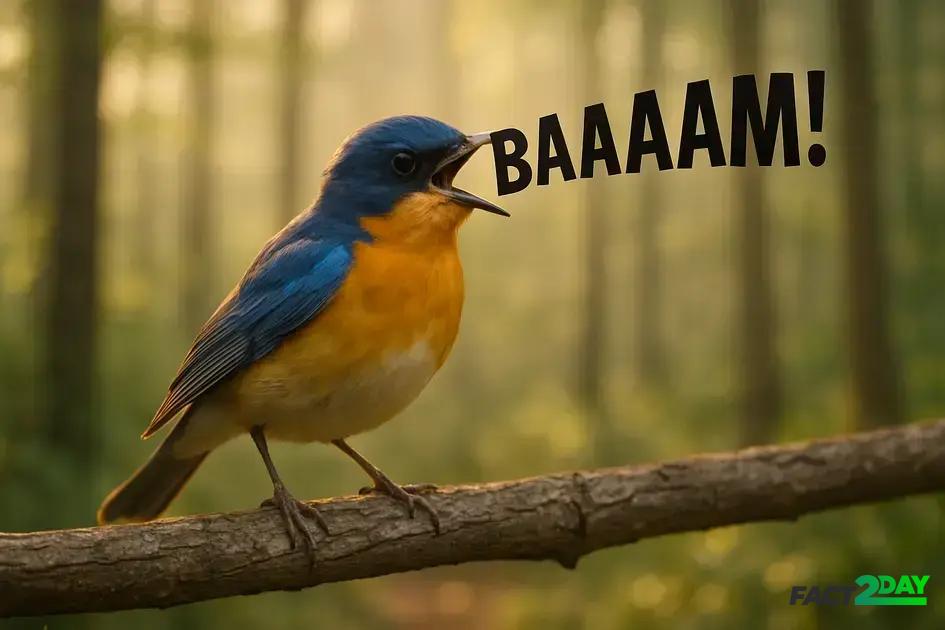
Bird mimicry is the ability of certain bird species to imitate natural and mechanical sounds like chainsaws and car alarms, used for communication, attracting mates, territory defense, and adapting to their environment.
Bird mimicry might sound like a quirky natural trick, but have you ever stopped to listen when a bird mimics a chainsaw or car alarm? This fascinating behavior reveals much about how birds adapt and communicate in surprising ways.
what is bird mimicry and why it fascinates
Bird mimicry is the ability of some bird species to imitate sounds from their environment, including calls of other birds, animals, and even mechanical noises. This fascinating skill helps birds communicate, attract mates, and defend their territory. Mimicry is more than just copying; it’s a complex behavior that shows adaptation and intelligence in birds.
Why Bird Mimicry Captivates Us
Humans find bird mimicry fascinating because it blurs the line between natural and artificial sounds. Imagine hearing a bird perfectly replicate a car alarm or the buzzing of a chainsaw – it’s surprising and intriguing. This unique talent often sparks curiosity about how birds learn these sounds and their purpose in the wild.
Bird mimicry also highlights the remarkable versatility and intelligence of birds. Some species, like the lyrebird and mockingbird, can imitate a wide range of sounds with stunning precision. This ability not only showcases nature’s creativity but also helps birds survive by confusing predators or rivals.
Understanding bird mimicry deepens our appreciation for wildlife and encourages us to listen more closely to the sounds around us. It reminds us that nature is full of wonders waiting to be discovered.
common birds that mimic mechanical sounds
Several bird species are known for their remarkable ability to mimic mechanical sounds such as chainsaws, car alarms, and other human-made noises. Among the most famous is the lyrebird, native to Australia, which can imitate chainsaws, camera shutters, and even human speech with stunning accuracy.
Other Notable Mimics
The mockingbird, common in North America, can reproduce car alarms, sirens, and even cell phone ringtones. Its versatile vocal skills help it adapt to urban environments where such sounds abound.
The starlings and certain species of crows also exhibit impressive mimicry of mechanical sounds. These birds often incorporate these sounds into their own calls, making their communication complex and varied.
Why These Birds Mimic
Mimicking mechanical sounds allows birds to stand out when attracting mates or defending territory. It may also help them confuse predators or rivals. This skill shows how adaptable birds are to changing environments, especially in areas impacted by human activity.
Learning how these birds copy sounds requires close observation, patience, and an understanding of their habitats. Their ability to imitate the noisy world around them is not only fascinating but also a testament to nature’s creativity and resilience.
how birds learn to imitate chainsaws and alarms
Birds learn to imitate chainsaws and car alarms through a process called vocal learning. Young birds listen closely to sounds in their environment and practice copying them. This skill is usually developed during a sensitive learning period early in their lives.
The Role of Listening and Practice
Birds often spend hours listening to nearby sounds, whether from other birds, animals, or human-made noises like chainsaws and alarms. Through trial and error, they refine their vocal abilities, gradually mastering complex sounds.
Imitation requires precise control of the syrinx, the bird’s vocal organ. Birds manipulate airflow and muscle movements to recreate unique sounds they hear around them.
Influence of Environment and Social Learning
The bird’s habitat plays a key role in what sounds it learns to mimic. Birds living near human activity are more likely to copy mechanical noises, while those in wilderness areas tend to mimic natural sounds.
Additionally, social learning from other birds can enhance their mimicry skills. Young birds often imitate the adults or peers around them, building a diverse repertoire of sounds.
This learning ability shows how adaptable birds are to their surroundings, using mimicry to communicate and thrive in environments filled with both natural and artificial sounds.
the purpose behind bird mimicry in the wild
Bird mimicry serves several important purposes in the wild. One of the main reasons birds mimic sounds is to defend their territory. By imitating the calls of other species or mechanical noises, they can confuse or scare off potential rivals and predators.
Attracting Mates
Mimicry also plays a key role in courtship. Male birds often showcase their wide range of sounds to attract females. A bird that can imitate complex sounds like chainsaws or alarms is seen as more skilled and healthy, increasing its chances of mating.
Communication and Social Interaction
Some birds use mimicry to communicate with others in their group, strengthening social bonds. Imitated sounds can signal danger, mark territory, or coordinate group behavior, demonstrating advanced vocal skills used in social contexts.
Additionally, bird mimicry can serve as a survival tactic. By copying predators or unfamiliar noises, birds may reduce the risk of being attacked or gain an advantage while hunting.
Understanding these purposes helps us appreciate bird mimicry as more than just imitation—it’s a vital tool for survival, reproduction, and interaction in the natural world.
the role of habitat in shaping mimicry skills
The environment where a bird lives plays a crucial role in developing its mimicry skills. Birds in urban or industrial areas often hear mechanical sounds like chainsaws and car alarms regularly. This constant exposure encourages them to replicate these noises as part of their vocal repertoire.
Adaptation to Surroundings
In contrast, birds in rural or forested habitats tend to mimic natural sounds such as other birds, animals, and environmental noises. Their mimicry reflects the unique acoustic landscape of their surroundings.
Environmental factors shape what birds learn to mimic. Noise pollution and human activity introduce new sounds, pushing some birds to incorporate these into their communication. This adaptability helps birds survive by making their calls more relevant and effective in their specific habitats.
Learning Opportunities
Birds in rich and diverse habitats have a wider variety of sounds to imitate, which can enhance their mimicry skills. Social interactions among birds within these habitats also support learning complex sounds.
Overall, habitat influences not just the sounds birds mimic but how they use mimicry for communication, territory defense, and mating, demonstrating the deep connection between environment and behavior.
examples of bird mimicry affecting human environments
Bird mimicry can have surprising effects on human environments, especially when birds imitate loud mechanical sounds like chainsaws and car alarms. These imitations sometimes cause confusion or amusement among people living nearby.
Common Examples
In urban areas, mockingbirds and starlings have been known to mimic car alarms, leading residents to mistakenly believe their vehicles are being tampered with. Similarly, lyrebirds in Australia can imitate chainsaw sounds so convincingly that workers have reported sudden starts and stops of their machinery.
These mimicry behaviors highlight how birds adapt to and interact with human noises. In some cases, the birds may use these sounds to establish dominance or attract mates by showcasing their complex vocal skills.
Impact and Human Response
While occasionally causing minor disturbances, bird mimicry also raises awareness about wildlife coexisting with humans. Many people enjoy the novelty of these sounds and the cleverness of birds, leading to increased interest in birdwatching and nature conservation.
Understanding and appreciating bird mimicry helps foster a better relationship between humans and their environment, encouraging coexistence and respect for natural behaviors.
how to observe bird mimicry respectfully
Observing bird mimicry requires patience and respect for the birds’ natural behavior and habitat. It is important to maintain a safe distance to avoid disturbing them or causing stress. Using binoculars or a camera with a zoom lens can help you enjoy these fascinating sounds without intruding.
Tips for Respectful Observation
Firstly, keep noise levels low to avoid scaring the birds away. Avoid sudden movements and try to blend into your surroundings to minimize your impact. Remember that birds are more likely to mimic sounds in relaxed, undisturbed settings.
Recording bird mimicry can be rewarding, but always ensure your activities do not disrupt their natural routines like feeding or mating. Observing during early morning hours often offers the best opportunities, as birds tend to be more vocal then.
Ethical Considerations
Never try to lure birds with playback devices or other tools, as this can cause stress or alter their natural behaviors. Supporting conservation efforts and respecting protected areas also helps maintain the habitats that enable birds to build these complex vocal skills.
By practicing respectful observation, you contribute to the well-being of birds and can enjoy witnessing one of nature’s most intriguing behaviors: bird mimicry.
bird mimicry’s place in ecosystems and culture
Bird mimicry plays a significant role in both ecosystems and human culture. In nature, mimicry helps birds communicate, establish territories, and attract mates, contributing to the balance and complexity of their environments.
Ecological Importance
By imitating sounds of other species or environmental noises, birds can avoid predators or warn others of danger. This vocal adaptability showcases an important aspect of survival and interaction among species, supporting ecosystem health.
Cultural Impact
Humans have long been fascinated by bird mimicry. Birds like the lyrebird are celebrated for their ability to imitate chainsaws and car alarms, inspiring stories, art, and music. These birds often symbolize creativity, intelligence, and the connection between nature and technology.
Bird mimicry encourages appreciation for wildlife and raises awareness about conservation. Birdwatchers and scientists study mimicry to understand animal behavior and ecosystem dynamics better.
Overall, bird mimicry reflects a fascinating intersection between biological function and cultural significance, enriching both natural habitats and human experiences.
Understanding the wonder of bird mimicry
Bird mimicry is a fascinating skill that helps birds survive and communicate in their natural habitats. From imitating chainsaws to car alarms, these sounds show how adaptable and smart birds can be.
Learning about bird mimicry deepens our connection with nature and highlights the important roles birds play in ecosystems and culture. By observing and respecting these behaviors, we can appreciate the delicate balance between wildlife and human environments.
Embracing this knowledge encourages us to protect birds and their habitats, ensuring these amazing creatures continue to thrive and inspire for generations to come.