Inventive Nature: How Biomimicry Is Revolutionizing Technology and Design
Descubra como a biomimética e inovações inspiradas na natureza estão transformando a tecnologia e o design de forma surpreendente e prática.
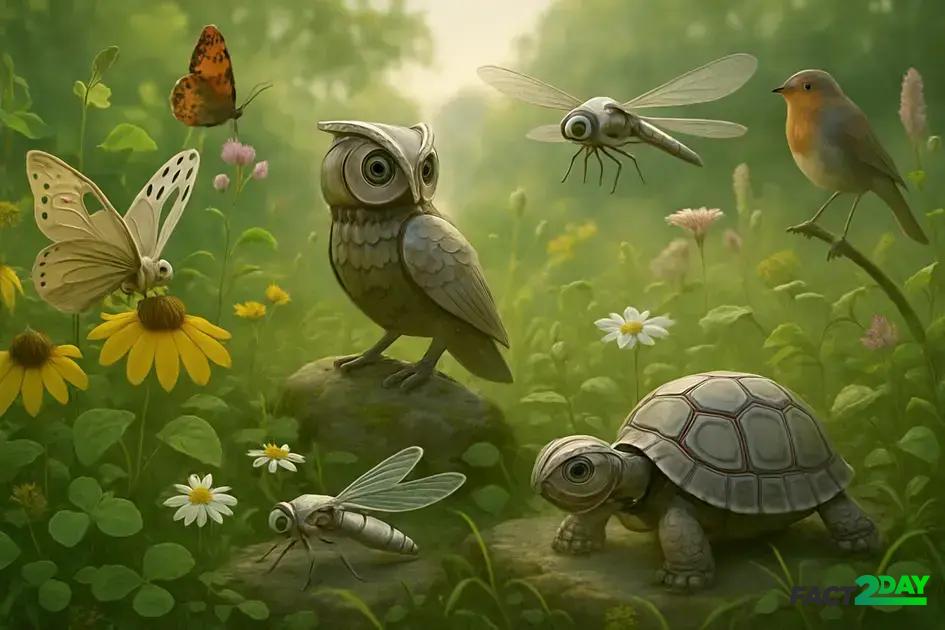
Biomimicry and innovations use nature-inspired designs to create sustainable, efficient technologies and solutions that improve daily life and reduce environmental impact.
Have you ever been fascinated by how nature creates incredible solutions? Biomimicry and innovations bring this inventive universe to technology and design, showing that we can learn a lot by observing trees, animals, and natural processes. Let’s explore together how this revealing inspiration shapes our future.
What is biomimicry and its importance in innovation
Biomimicry is the practice of learning from and mimicking nature’s strategies and designs to solve human challenges. Nature has evolved efficient solutions over millions of years, and biomimicry seeks to apply these to innovation in technology, architecture, and design.
The core of biomimicry
At its heart, biomimicry looks to nature not just for inspiration but as a mentor. It studies systems, patterns, and elements such as the self-cleaning lotus leaf or the strong, lightweight structure of a spider web. These natural designs help create products that are sustainable, efficient, and often more effective than traditional solutions.
Why biomimicry matters in innovation
Innovations inspired by nature often lead to reduced waste, more efficient use of materials, and lower energy consumption. For example, the shape of the kingfisher’s beak inspired high-speed trains to reduce noise and energy use. Biomimicry fosters creativity while addressing environmental challenges.
Impact on industries
Different sectors such as engineering, medicine, and product design increasingly adopt biomimicry to create smarter solutions. It enables companies to develop groundbreaking technologies like self-healing materials or energy-efficient buildings modeled after termite mounds.
By valuing nature’s time-tested designs, biomimicry turns challenges into opportunities for innovation that benefit both people and the planet.
Practical examples of biomimicry in current technology
Many modern technologies draw directly from nature’s designs through biomimicry. For instance, the development of Velcro was inspired by the way burrs stick to animal fur. This simple yet effective idea revolutionized fasteners across many products.
Robotics and movement
Robots are now imitating animal locomotion to improve mobility. Boston Dynamics’ robotic dog mimics canine agility to navigate complex terrain. Similarly, underwater drones use fish-like movements to maximize efficiency and reduce noise.
Architecture and energy efficiency
Buildings have started to reflect natural structures for better energy use. The Eastgate Centre in Zimbabwe employs a ventilation system inspired by termite mounds, which maintain a stable internal temperature without air conditioning. This biomimetic design lowers energy consumption substantially.
Material science and sustainability
Scientists created self-healing materials mimicking how human skin repairs itself. These materials can fix cracks without human intervention, extending the life of products and reducing waste. Additionally, surfaces inspired by lotus leaves repel water and dirt, useful for creating cleaner, more durable coatings.
These examples highlight how looking to nature not only sparks innovation but also contributes to sustainability in technology.
How to apply biomimicry concepts in everyday life
Applying biomimicry concepts in daily life is simpler than it may seem and can lead to more sustainable, efficient habits. Start by observing nature’s solutions and considering how they might improve everyday products and routines.
Design your home with nature in mind
Incorporate natural patterns and materials that improve energy efficiency and comfort. For example, use window shades inspired by leaves’ orientation to control sunlight or choose furniture with organic forms that maximize space and strength.
Adopt eco-friendly products inspired by biomimicry
Many products on the market use biomimetic principles — water-repellent clothing mimics lotus leaves, and self-cleaning paints imitate the structure of certain insect wings. Choosing these items helps reduce environmental impact and promotes sustainable innovation.
Practice sustainable habits guided by nature
Look to natural cycles to guide your lifestyle choices. Composting emulates nature’s recycling process, reducing waste. Plant-based diets align with ecological balance, lowering carbon footprints. Even urban gardening can mimic natural ecosystems for healthier food and environment.
Integrating biomimicry daily encourages creativity and a deeper connection with the environment, helping you contribute to a greener future.
Embracing biomimicry for a better future
By applying biomimicry in daily life, we not only discover smarter solutions but also foster a deeper respect for the natural world. These simple changes can lead to more sustainable living and innovative ideas that benefit everyone.
Nature’s wisdom offers a guide to creating more efficient and eco-friendly lifestyles. As we continue to learn from it, biomimicry will play a key role in shaping a healthier planet and inspiring ongoing creativity.
Start small, observe closely, and let nature be your mentor towards a greener, smarter future.