Nature’s Engineers: How Biology is Inspiring the Next Generation of Robots and Machines
Explore how Bio-Inspired Robotics takes cues from nature to create innovative machines that respond and adapt like living organisms.
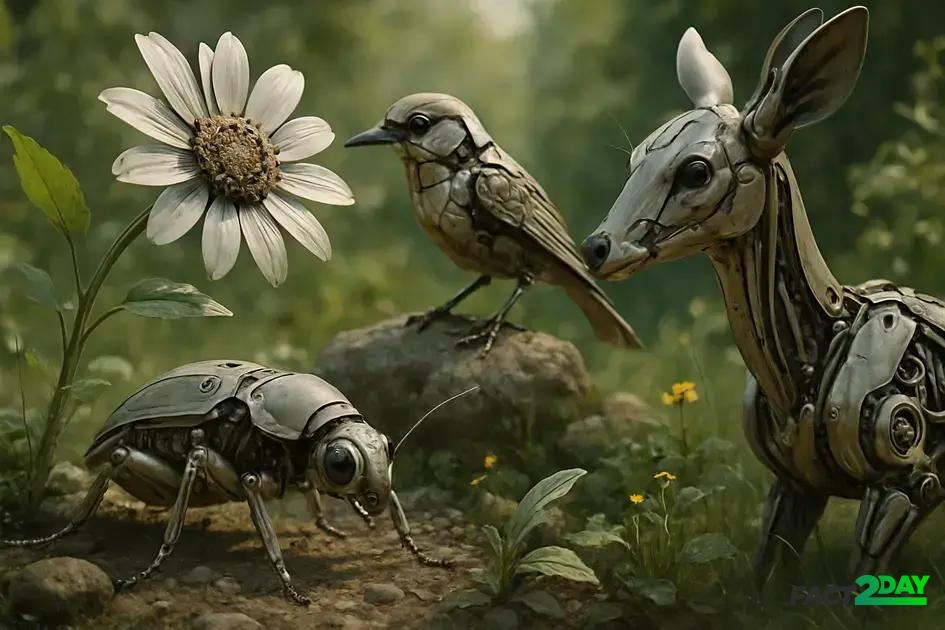
Bio-Inspired Robotics uses principles from nature to create adaptable, efficient, and sustainable machines that improve performance across medicine, agriculture, and environmental monitoring.
Have you ever wondered how nature’s most intricate designs shape modern technology? Bio-Inspired Robotics blends biology and engineering, crafting machines that move and adapt with surprising grace. This journey into nature’s engineering might just change how you see robots.
understanding bio-inspired robotics and its relevance
Bio-inspired robotics studies how machines can mimic living organisms to achieve adaptability, efficiency, and resilience. Nature has perfected complex systems through millions of years of evolution, offering valuable blueprints for robotic innovation.
By observing animals, plants, and microorganisms, engineers discover principles such as flexible movement, self-healing, and energy efficiency to apply in designing robots. For example, robotic arms modeled after an octopus tentacle allow precise, flowing motions that traditional rigid robots struggle to replicate.
These robots are relevant in fields like medicine, where soft robots can navigate the human body gently, and environmental monitoring, where small bio-inspired drones can explore tight or hazardous spaces. Their ability to adapt to dynamic environments makes them ideal for disaster response and agriculture as well.
The impact on technology and society
Bio-inspired robotics drives innovation by merging biology with engineering, leading to machines that work harmoniously with humans and nature. Understanding these systems helps us develop robots that are not just tools but partners in various industries, enhancing productivity and sustainability.
Overall, bio-inspired robotics bridges the natural world and technology, opening new possibilities for smarter, safer, and more versatile machines.
key biological principles guiding robotic design
Robotic design inspired by biology relies heavily on several key principles found in nature. Understanding these helps engineers create machines that operate with greater efficiency and flexibility.
Adaptability and flexibility
Many living organisms adjust their shape or function to survive in diverse environments. Robots built on this principle use flexible materials or joints to navigate complex spaces or perform multiple tasks with ease.
Energy efficiency
Nature optimizes energy use in movement and processes. Bio-inspired robots incorporate this by minimizing power consumption through efficient mechanics and controls, often mimicking the gait or motion of animals.
Self-healing and resilience
Some biological systems repair damage autonomously. While robotic self-healing is still developing, designing with materials that withstand wear and systems that can adapt to failure improves robot longevity.
Decentralized control
Many organisms operate without a central brain, relying on distributed control systems. Robots adopting this principle can be more robust and capable of complex tasks through networked sensors and processors.
Biomimicry is central to these principles, bridging biology and engineering to improve robotic design and functionality.
examples of nature-inspired robots in various industries
Nature-inspired robots are transforming many industries by mimicking biological forms and behaviors. These robots offer unique solutions where traditional designs fall short.
Medical applications
Soft robots modeled after worms or octopuses assist with minimally invasive surgeries and targeted drug delivery. Their flexible bodies allow them to navigate inside the human body safely and precisely.
Agriculture
Robots inspired by insects, like bees or ants, perform tasks such as pollination, crop monitoring, and soil analysis. Their small size and agility help farmers increase efficiency and reduce chemical use.
Environmental monitoring
Drones designed after birds or fish swim and fly through diverse ecosystems to collect data on air quality, wildlife, and water conditions. Their bio-inspired features provide superior maneuverability in challenging terrains.
Search and rescue
Robots imitating animals like snakes or spiders can access disaster zones and collapsed buildings, navigating debris and tight spaces where humans cannot safely enter.
Industry also benefits from robotic arms inspired by human limbs for delicate tasks, combining strength and dexterity in manufacturing and assembly lines.
The diversity of nature’s designs continues to inspire innovative robots across multiple fields, driving progress and solving complex challenges.
challenges in replicating biological systems in robotics
Replicating biological systems in robotics presents several challenges due to the complexity and adaptability of living organisms. One significant difficulty is designing mechanical structures that match the flexibility and efficiency found in nature.
Material limitations
Biological tissues combine strength, flexibility, and self-healing, which are hard to reproduce with current synthetic materials. Researchers work on creating soft, durable materials that can mimic muscles and skin but face issues with durability and responsiveness.
Complex control systems
Animals use intricate neural networks to control precise movements and adapt to changing environments. Building robotic control systems that are equally adaptable and efficient is challenging due to the need for real-time processing and learning capabilities.
Energy efficiency
Living organisms operate using energy in extremely efficient ways. Designing robots that replicate this efficiency while maintaining power and functionality is difficult, especially when batteries and actuators often limit robot endurance.
Scalability and cost
Creating bio-inspired robots requires advanced manufacturing techniques, which can be costly and hard to scale for mass production. Balancing innovation with practicality remains a challenge for commercial applications.
These challenges push scientists to continually innovate, blending biology and engineering to develop robots that better emulate life’s remarkable systems.
the role of materials science in bio-inspired robotics
Materials science plays a crucial role in bio-inspired robotics by developing new materials that mimic the properties of natural tissues. These materials affect how robots move, adapt, and interact with their environment.
Soft and flexible materials
Unlike traditional robots made of metal and rigid parts, bio-inspired robots often use soft polymers and elastomers to imitate muscles and skin. These materials allow machines to bend, stretch, and squeeze through tight spaces safely.
Self-healing materials
Inspired by the ability of living organisms to repair themselves, researchers are creating materials that can heal small damages automatically. This innovation increases the durability and lifespan of robots operating in harsh or unpredictable conditions.
Lightweight composites
Using lightweight, strong composites helps bio-inspired robots save energy while maintaining strength. These materials often blend carbon fibers or bio-based substances to reduce weight without compromising performance.
Responsive and smart materials
Some materials can change properties based on environmental triggers like temperature, light, or pressure. Integrating such smart materials enables robots to adapt instantly, improving their functionality and efficiency.
The advances in materials science continue to expand the possibilities of bio-inspired robotics, bringing machines closer to the remarkable capabilities found in nature.
future trends and innovations in bio-inspired robotics
Bio-inspired robotics is rapidly evolving, with future trends pushing the boundaries of what robots can achieve.
Integration of artificial intelligence
Robots will increasingly combine bio-inspired designs with advanced AI, enabling them to learn, adapt, and make decisions in real-time, similar to living organisms.
Soft robotics advancement
Expect development of even more flexible and safe soft robots that can interact closely with humans and delicate environments, expanding applications in healthcare and service industries.
Swarm robotics
Inspired by social insects, swarm robotics will enable large groups of small robots to work collectively, improving efficiency in tasks like environmental monitoring and disaster relief.
Energy harvesting
Future robots may harness energy from their environment, such as solar or kinetic energy, enhancing their autonomy and reducing the need for batteries.
Biodegradable and sustainable materials
The use of eco-friendly, biodegradable materials will reduce environmental impact, aligning robotics development with sustainability goals.
These innovations will make bio-inspired robots more intelligent, versatile, and environmentally responsible, shaping the future of technology.
ethical considerations and environmental impact
As bio-inspired robotics evolves, ethical considerations and environmental impact become increasingly important. Designing these robots responsibly ensures technology benefits society and does not harm the planet.
Privacy and security
Robots equipped with sensors to mimic biological perception may collect sensitive data. Ensuring privacy protections and secure handling of this information is critical to avoid misuse.
Environmental sustainability
Developing robots with biodegradable or recyclable materials reduces waste and pollution. Considering energy-efficient designs also minimizes carbon footprints during operation.
Impact on jobs and society
The rise of autonomous bio-inspired robots can affect employment. Thoughtful integration and retraining programs help balance technological progress with social well-being.
Animal welfare and bioethics
Using biological elements or studying living creatures raises questions about ethical treatment. Responsible research practices are essential to respect life while advancing robotics.
Addressing these ethical and environmental challenges guides the sustainable and fair development of bio-inspired robotics for the future.
Looking ahead with bio-inspired robotics
Bio-inspired robotics is shaping a future where machines work smarter and adapt better by learning from nature. These innovations promise safer, more efficient, and sustainable technologies across many fields.
As development moves forward, balancing ethical concerns and environmental impact will be essential. Responsible design and thoughtful use can help ensure these robots improve lives without causing harm.
By embracing nature’s engineering, we open the door to exciting possibilities and smarter machines that can tackle complex challenges. The journey of bio-inspired robotics is just beginning, and its potential is vast.