Copying Nature: How Animals Inspire Next-Gen Materials and Inventions
Bio-inspired materials unlock innovative possibilities for future technology by mimicking the ingenious designs found in animals.
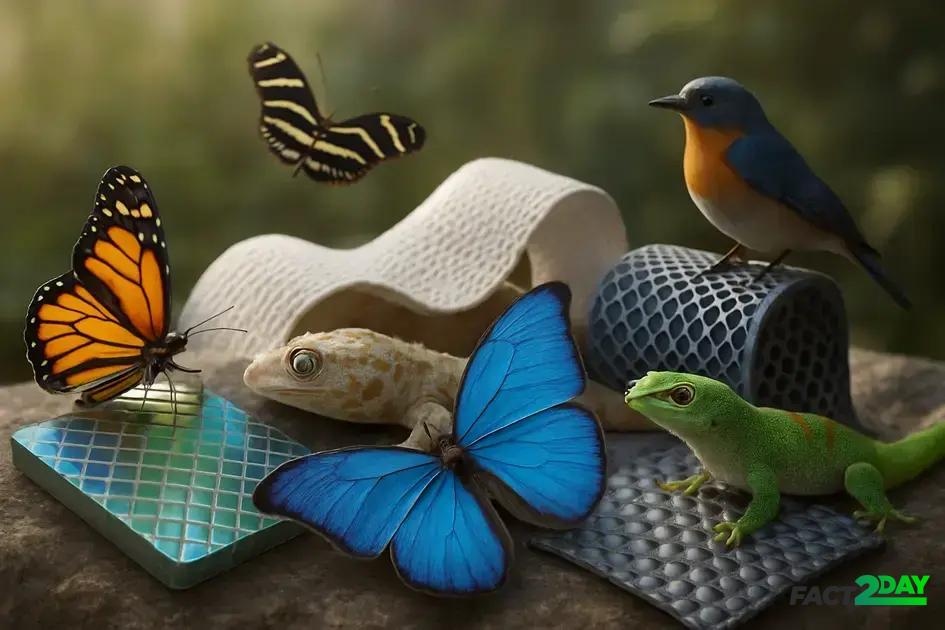
Bio-inspired materials replicate animal adaptations to create efficient, sustainable technologies used in healthcare, transportation, and everyday products, enhancing performance by mimicking nature’s designs.
Have you ever wondered how the natural world shapes human innovation? Bio-inspired materials draw from the fascinating abilities of animals to create technologies that feel like nature’s own inventions. Let’s walk through this curious blend of science and wonder.
how animal adaptations inspire new materials
Animals have evolved remarkable features that allow them to survive in diverse environments. Scientists study these adaptations to inspire the creation of new materials with improved properties. For example, the lotus leaf’s water-repellent surface has inspired self-cleaning coatings for fabrics and windows.
Natural structure as a model
Many animals display unique surface structures that perform specialized functions. The microscopic bumps on shark skin reduce drag and prevent bacteria growth, which has led to the development of antimicrobial and drag-reducing materials used in healthcare and marine industries.
Similarly, the strong yet lightweight design of spider silk motivates researchers to develop durable, flexible fibers for use in textiles and medical sutures. These examples show how studying animal adaptations can lead to innovative bio-inspired materials that solve real-world problems.
By translating nature’s designs into engineered materials, scientists aim to create products that are environmentally friendly and highly efficient. This approach often involves mimicking both the physical structures and chemical compositions found in animals, resulting in smarter and more sustainable materials.
materials mimicking nature’s efficiency
Nature is a master of efficiency, creating materials that use minimal resources while delivering maximum performance. Scientists study these natural designs to develop materials that mimic such efficiency in energy use, strength, and flexibility.
Energy-efficient structures
For example, the honeycomb structure built by bees is praised for its lightweight yet strong qualities. This design is now replicated in aerospace and construction materials, providing high strength with less weight and material use, which saves energy in manufacturing and transport.
Another example is the way termites build mounds that maintain stable temperatures through natural ventilation systems. This concept has inspired eco-friendly building materials and cooling technologies that reduce energy consumption in homes and offices.
Optimizing material performance
Some materials inspired by nature combine softness and toughness, like the nacre found in seashells, which has been studied to create impact-resistant and durable composites for protective gear and electronics:
By understanding these natural efficiencies, researchers are developing smarter materials that not only perform better but also reduce waste and environmental impact. Bio-inspired materials continue to push the limits of sustainable innovation.
real-world applications of bio-inspired inventions
Bio-inspired inventions have moved from the lab to everyday use, transforming industries with solutions drawn from nature’s genius. One prime example is the development of Velcro, inspired by the way burrs stick to animal fur, widely used in clothing, footwear, and even medical devices.
Medical and healthcare innovations
The gecko’s foot inspired adhesives that work without glue, aiding wound dressings and wearable health monitors that stick securely without damaging the skin. These bio-inspired materials enhance patient comfort and improve treatment outcomes.
In prosthetics, designs mimicking the flexibility and strength of natural limbs have led to lighter, more functional artificial limbs that closely replicate human movement.
Technology and transportation
Swimsuits engineered to mimic shark skin reduce drag, helping swimmers move faster, and have influenced surface coatings for ships that improve fuel efficiency by reducing friction. Similarly, butterfly wing structures inspire displays and sensors that rely on manipulating light at the nanoscale for clearer images and better performance.
These applications demonstrate how learning from nature doesn’t just inspire ideas but leads to practical, impactful inventions that improve lives and industries alike.
Wrapping up nature’s impact on innovation
Bio-inspired materials show us how looking closely at animals and their unique traits can lead to smarter and more efficient inventions. From healthcare to transport, these ideas are turning into real products that help us every day.
By continuing to study and mimic nature’s designs, we open the door to innovations that are not only effective but also kind to the environment. This blend of biology and technology promises a future where science and nature work hand in hand to improve our world.
Embracing bio-inspired materials means tapping into a powerful source of creativity and sustainability. Keep exploring this fascinating field as it unfolds exciting new possibilities for everyone.