Banned at the Controller: Games Forbidden for Weird Reasons
Banned games reveal bizarre and unexpected reasons why some titles got pulled off shelves, shaking the gaming world in surprising ways.
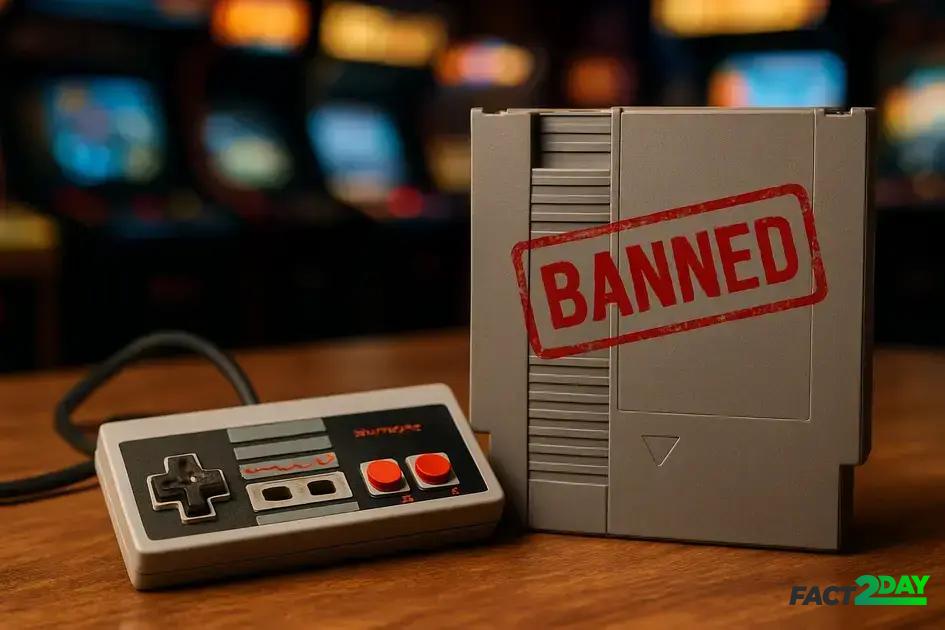
Banned games are video games restricted due to content like violence, politics, or cultural taboos, revealing societal values and sparking debates on censorship, creativity, and freedom of expression in gaming culture.
Banned games often come with stories as strange as the bans themselves. Ever wondered why some popular titles suddenly disappear or become forbidden? Let’s explore those oddities and what they tell us about culture and gaming.
why were some games banned in the past
Games have been banned for various reasons throughout history, often reflecting social, political, or moral concerns of their time. Some titles were considered too violent, promoting behavior deemed inappropriate, while others touched on sensitive political issues or cultural taboos. In many cases, governments or regulatory bodies stepped in to protect public interests, especially regarding children.
Violence and Moral Panic
Excessive violence was a common reason for bans. For example, games featuring brutal combat or graphic content raised alarms over their influence on youth. Critics argued that such material could incite aggression, leading to restrictions or outright bans in certain countries.
Political Sensitivities
Some games faced bans due to political content. Titles that portrayed governments negatively or depicted controversial historical events were often censored to avoid dissent or unrest. This shows how games can intersect with real-world politics, affecting their availability.
Cultural and Religious Concerns
Games that clashed with cultural or religious values were also targeted. This includes content considered blasphemous, offensive, or contrary to social norms. These bans highlight how cultural context shapes what is deemed acceptable entertainment.
Understanding why some games were banned in the past helps us see how gaming has evolved alongside society, reflecting and sometimes challenging values and rules.
unexpected reasons behind game bans
While many game bans stem from obvious reasons like violence or politics, some bans have surprising and unusual causes. These unexpected reasons often reveal more about cultural clashes or misunderstandings than the content itself.
Unusual Content Themes
Certain games have been banned due to themes considered strange or taboo in specific regions. For example, games featuring gambling mechanics or supernatural elements were sometimes banned because they conflicted with local laws or beliefs.
Technical and Legal Issues
Occasionally, bans happen because of copyright disputes or improper licensing. A game may be pulled not for its content, but because of legal problems between developers and publishers, which can restrict its availability.
Marketing and Packaging Concerns
Some bans arise from how games are marketed or packaged. If promotional materials are seen as misleading or offensive, authorities might ban the game itself to prevent consumer confusion or backlash.
These unexpected reasons underscore that game bans are not always about content alone but also about the wider context surrounding a game’s release and reception.
how censorship affects game content
Censorship has a profound impact on the content of video games worldwide. To comply with different countries’ rules, developers often modify or remove scenes, characters, or dialogue deemed inappropriate. This can affect storylines, gameplay, and overall player experience.
Changes in Violence and Language
Violent scenes are often toned down to meet censorship standards. Blood may be recolored or eliminated, and offensive language replaced with milder alternatives. These edits aim to make games more palatable for broader audiences or specific markets.
Alterations Due to Cultural Sensitivities
Cultural taboos influence censorship decisions significantly. Some symbols, gestures, or themes that are acceptable in one country may be banned in another. This leads to content adjustments that respect local beliefs but sometimes change the game’s original message.
Impact on Creativity and Expression
Censorship can limit creativity by forcing developers to self-censor or redesign parts of their work. While intended to protect audiences, strict regulations can stifle innovation and reduce the diversity of stories told through games.
Overall, censorship shapes what players see and experience, reflecting social values but also raising questions about artistic freedom.
notorious banned games and their stories
Many banned games have gained notoriety due to the unique stories behind their restrictions. These games often pushed boundaries in gameplay, themes, or social commentary, sparking controversy and debate.
Manhunt
Known for its graphic violence, Manhunt was banned in several countries. The game’s brutal stealth killings and dark atmosphere raised concerns about its potential impact on players.
Postal Series
The Postal games faced bans or restrictions due to extreme violence, crude humor, and controversial content. These games are often cited in debates about violence in video games.
Grand Theft Auto
Several titles in the Grand Theft Auto series have faced bans and censorship worldwide. Their open-world crime themes, explicit language, and mature content made them targets for regulators.
Pokémon Series
Oddly, some Pokémon games were banned or censored in certain regions, often due to cultural differences or perceived promotion of gambling through in-game mechanics.
These notorious banned games highlight how diverse factors such as violence, themes, and cultural clashes shape the history of game censorship.
impact of banned games on gaming culture
Banned games have left a strong mark on gaming culture, influencing both how games are made and how players view content. The controversies often spark conversations about limits, creativity, and responsibility in gaming.
Shaping Player Awareness
When games are banned, it raises awareness about the content and themes they explore. Players often become curious about what caused the ban, leading to debates on topics like violence, censorship, and social values.
Impact on Developers and Innovation
Developers sometimes push boundaries to create unique experiences, but bans can limit this freedom. Fear of censorship might lead studios to self-censor, potentially stifling creativity or avoiding risky subjects altogether.
Community and Underground Scenes
Banned games often gain a cult following, especially in underground or online communities. These groups share and discuss restricted titles, keeping them alive and influencing indie developers to tackle challenging or controversial topics.
Overall, banned games contribute to ongoing discussions about what gaming should represent and its influence on society.
what banned games teach us about society
Banned games often reflect broader societal concerns, revealing what cultures fear or reject at a given time. They act as mirrors showing attitudes toward violence, politics, identity, and morality.
Understanding Social Values
The reasons games get banned reveal what societies prioritize. For example, bans on violent content show concerns about aggression, while restrictions on political themes indicate sensitivity to authority and national image.
Shifts in Cultural Norms
Banned games highlight how cultural norms change over time. What was once taboo may later become acceptable, showing how society evolves. Games banned decades ago might now be celebrated for artistic or historical value.
Limits of Expression and Freedom
These bans raise questions about freedom of expression and the balance between protecting communities and allowing creativity. Examining banned games helps understand how societies negotiate these limits.
In sum, banned games provide valuable insights into the fears, values, and changing rules that shape the societies we live in.
Final thoughts on banned games and their impact
Banned games reveal much about the values and concerns of different societies. They show us how culture, politics, and morality influence what is considered acceptable in gaming.
While these bans can limit creativity, they also spark important conversations about freedom and responsibility in entertainment.
Understanding banned games gives us a deeper look into the changing norms and challenges within our world, reminding us that games are more than just play—they reflect who we are as a society.