Liberdade Perdida: A Fascinante História das Aves Que Desaprenderam a Voar
Aves que não voam e sua evolução revelam um percurso surpreendente da natureza, mostrando adaptações únicas longe do céu aberto.
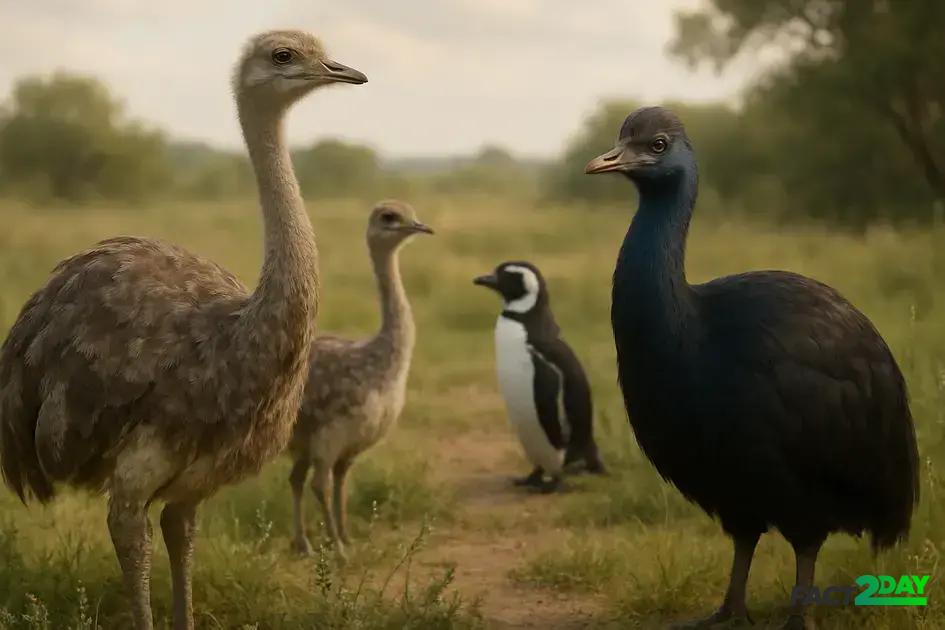
Flightless birds evolved from flying ancestors by adapting to environments with few predators, resulting in reduced wings and stronger legs to survive and fulfill ecological roles on the ground.
Você já parou para pensar nas aves que não voam e sua evolução? Essas criaturas carregam histórias silenciosas de adaptação e mudança, convidando a um convite à contemplação da liberdade em outras formas.
a origem das aves que não voam
Flightless birds have a fascinating origin tied to evolution and environment. Many species evolved from ancestors that could fly, but over time, changes in their habitat, food sources, and predators led to the loss of flying ability.
Islands often played a key role in this process. With fewer predators and limited space, birds like the kiwi in New Zealand and the dodo in Mauritius adapted by becoming ground dwellers. They developed stronger legs for walking and running, while their wings became smaller or less functional.
Evolutionary drivers behind flightlessness
Natural selection favored traits useful for survival on the ground rather than flying. In some cases, flying became unnecessary or even a disadvantage, since conserving energy and avoiding predators differently took priority.
Scientists study fossils and genetics to trace how flightless birds branched off from their flying relatives. This shows a strong link between environment and anatomical change. The loss of flight is a remarkable example of adaptability in the animal kingdom.
adaptações evolutivas e suas causas
Flightless birds developed unique evolutionary adaptations that helped them survive in varied environments. One key change is the reduction or complete loss of wings, which became smaller and less useful over time. Strong legs and sturdy bodies replaced the need for flight, allowing these birds to walk, run, and sometimes swim effectively.
Reasons behind these adaptations
Several causes led to these changes. Islands with few predators made flying unnecessary. Energy conservation was important since flying consumes a lot of energy. Birds adapted by focusing on ground-based survival skills, like foraging and camouflage.
Additionally, the absence of predators encouraged the growth of larger body sizes in some species. This made flight even less practical but improved survival in other ways, such as defending territory or coping with climate.
Scientists highlight how natural selection and environmental pressures shaped these adaptations, confirming that flightlessness is a strategic evolutionary response rather than a flaw.
implicações ecológicas e simbólicas
Flightless birds play significant ecological roles in their habitats. They often act as seed dispersers, helping plants spread across areas. Their feeding habits can control insect populations, keeping ecosystems balanced.
Ecological impacts of flightless birds
By living mostly on the ground, these birds influence soil health through their foraging and movements. Some species even create habitats for other animals by modifying the environment.
Culturally and symbolically, flightless birds like the dodo and the kiwi hold powerful meanings. The dodo, now extinct, symbolizes human impact on nature and loss of biodiversity. The kiwi is a national symbol of New Zealand, representing uniqueness and resilience.
Understanding these ecological and symbolic roles highlights the importance of conserving flightless birds and their environments. Their survival affects not only nature but cultural identities as well.
The lasting impact of flightless birds
Flightless birds offer a unique glimpse into nature’s power to adapt and change. Their evolution shows how species can thrive even after losing the ability to fly.
These birds hold important roles in ecosystems and cultures around the world. Protecting them means preserving both biodiversity and heritage.
By understanding their origins, adaptations, and significance, we appreciate more deeply the complex web of life and the need to care for it responsibly.