The Buried Atari Cartridges Were Real
Discover how the Atari buried story unfolded, revealing a hidden history of gaming cartridges that captured the world's curiosity.
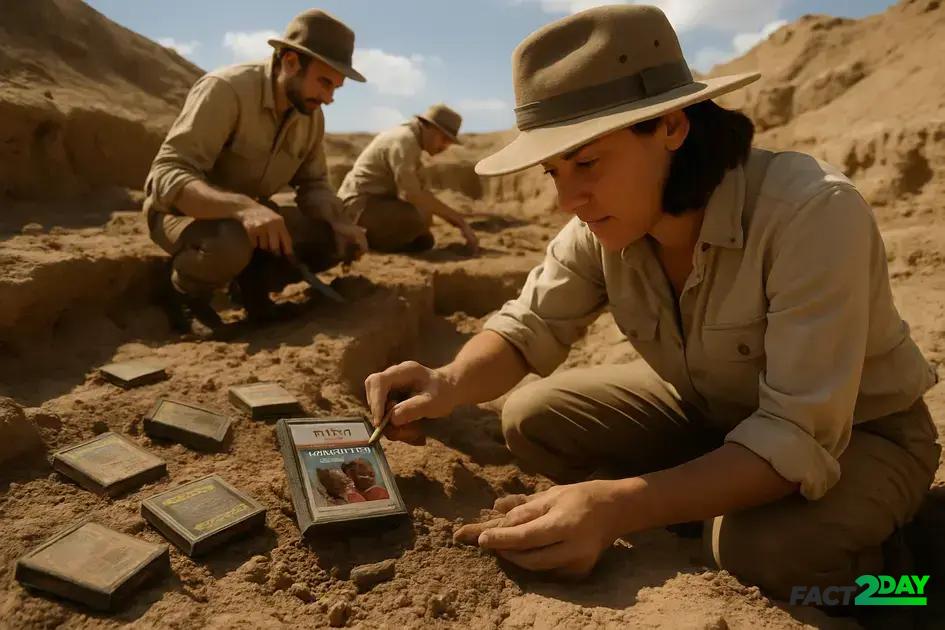
The Atari buried cartridges were real, consisting of unsold game cartridges buried in a New Mexico landfill in the 1980s, later excavated and verified, revealing key insights into the video game industry’s history and preservation challenges.
Ever heard about the Atari buried cartridges? It sounds like a legend, but there’s real history behind it. Curious why these game cartridges were buried and what came out of this mystery?
the story behind the buried Atari cartridges
The story behind the buried Atari cartridges began in the early 1980s, during a time when the video game industry faced a significant crash. Atari, a leading company in the market, produced millions of game cartridges, many of which did not sell well. Rumors spread that Atari decided to dispose of these unsold games by burying them in a landfill in New Mexico.
Historical Context
At that time, the market was oversaturated with low-quality games causing a sharp decline in sales. Atari’s attempt to recover losses led to the decision to discard large quantities of cartridges rather than storing them. This act became a symbol of the industry’s struggles and a fascinating piece of gaming history.
The Legend Grows
The story became an urban legend among gamers and collectors, making people wonder if such a large-scale burial could really have happened. For years, the tale was dismissed as a myth until evidence started to surface that convinced experts and enthusiasts alike.
The Atari burial is more than just a rumor; it reflects a moment in time when the gaming world faced uncertainty and change.
how the mystery came to light
The mystery of the buried Atari cartridges began to unravel in the late 2000s when rumors prompted videogame historians and enthusiasts to investigate. For years, people doubted the story, considering it a legend. However, interest grew after interviews with former Atari employees hinted at the truth behind the burial.
Initial Clues and Research
Researchers collected eyewitness stories and old documents that pointed to a specific landfill site in New Mexico. These clues fueled efforts to locate the exact burial spot. Investigators conducted site surveys and studied local records to uncover concrete evidence.
The Excavation
In 2014, a joint effort between Xbox Entertainment Studios and excavation experts led to a dig in the landfill. Cameras documented the entire process as workers carefully unearthed hundreds of cartridges, confirming that the burial was real. This marked a turning point, shifting the story from myth to fact.
The excavation revealed more than just cartridges; it opened a window into gaming history, sparking renewed interest in Atari’s legacy.
exploring the impact on gaming culture
The discovery of the buried Atari cartridges had a significant impact on gaming culture, stirring excitement among retro gamers and historians alike. This event helped preserve an important piece of gaming history and sparked renewed interest in classic video games and their legacy.
Preserving Gaming History
The excavation highlighted the importance of preserving the past, showing how physical media like cartridges tell stories beyond the games themselves. Collectors and museums gained valuable artifacts that showcase the era’s technology and design.
Cultural Revival
The story inspired gamers and creators worldwide, influencing modern game designs and retro-themed projects. Discussions about the Atari burial sparked nostalgia and debates about the video game crash and its consequences.
This event also reminded the community of the risks and efforts involved in game preservation, opening conversations on how the industry can better protect its history for future generations.
interviews with eyewitnesses and experts
Many interviews with eyewitnesses and experts helped bring the Atari buried story to life. Former Atari employees shared their memories, describing the decision to discard unsold cartridges in the New Mexico landfill. Their accounts provided key details that confirmed the burial actually took place.
Eyewitness Accounts
Several people who worked at Atari during the early 1980s recalled the tough market conditions and the company’s attempts to manage inventory. Their stories explained the context behind the mass disposal and gave insight into Atari’s struggles.
Expert Analysis
Video game historians and archaeologists studied the site and the recovered cartridges. They analyzed how this discovery impacts our understanding of the industry’s history. Experts highlighted the importance of preserving such artifacts for future generations.
These interviews combined eyewitness testimony and professional perspective, providing a comprehensive view that turned rumor into documented history.
the archaeological process of excavation
The archaeological process of excavating the buried Atari cartridges was carefully planned and executed to preserve the authenticity of the site. Experts used traditional digging tools along with modern technology to uncover the cartridges without damaging them. A detailed mapping of the landfill was created to document the exact locations of each find.
Tools and Techniques
Excavators employed brushes, shovels, and sieves to gently remove dirt around the fragile cartridges. Ground-penetrating radar helped locate underground objects with precision. This mix of old and new methods ensured that the artifacts remained intact during extraction.
Documentation and Preservation
Every cartridge uncovered was photographed and cataloged. Specialists examined the conditions of the games, noting signs of wear or damage caused by burial. The data collected provides valuable insight into storage effects on digital media.
This meticulous archaeological approach emphasized the cultural importance of the find and set a standard for future excavations of similar historic gaming artifacts.
what was found inside the cartridges
Inside the buried Atari cartridges, various classic video games were discovered, including the infamous and rare titles that had been erased from retail shelves. Many cartridges were in surprisingly good condition despite decades underground.
Types of Games Found
The dig uncovered popular titles like Pac-Man and lesser-known games that reflecting the wide range Atari produced. Some cartridges contained prototypes and unfinished versions, offering a glimpse into the development process of early video games.
Condition and Preservation
While many cartridges were covered in dirt and debris, experts found that the plastic shells often remained intact. Internal game chips varied; some remained functional, while others suffered damage due to moisture and time. The discovery helped experts understand how burial affects digital preservation.
Overall, the cartridges provided a unique snapshot of gaming history, preserving games thought lost to time and fueling renewed interest in retro gaming culture.
the legacy of this discovery today
The legacy of the buried Atari cartridges discovery continues to influence gaming culture and preservation efforts today. This event highlighted the importance of maintaining gaming history and inspired communities to protect and celebrate classic video games.
Impact on Preservation
The excavation spurred interest in preserving digital artifacts and video game history. Museums, collectors, and enthusiasts now prioritize archiving rare cartridges and hardware to safeguard them from being lost to time.
Influence on Gaming Culture
The story brought renewed attention to the early days of video gaming, encouraging retro gaming trends and discussions about the industry’s evolution. It also serves as a powerful reminder of how far the industry has come since the 1980s.
Today, this discovery motivates not only preservation but also education about video game history, showing how even forgotten or discarded items can have lasting cultural value.
lessons learned from the Atari burial event
The Atari burial event taught important lessons about the video game industry and cultural preservation. One key takeaway is the value of managing inventory and quality to avoid massive losses and public backlash. Atari’s story shows how market missteps can impact a company’s reputation.
Importance of Preservation
The event sparked awareness about preserving gaming history and the challenges of maintaining digital media. It highlighted the need for better archiving practices to protect games as cultural artifacts.
Impact on Business Practices
Developers and publishers now recognize the risks of overproduction and the importance of innovation to keep consumers engaged. The burial serves as a reminder to carefully balance production with demand to prevent waste.
Overall, the Atari burial encourages the gaming community and industry to value both their history and future, promoting sustainable growth and respect for digital heritage.
Wrapping up the Atari buried cartridges story
The Atari buried cartridges reveal a fascinating chapter in gaming history that was once thought to be a myth. This discovery highlights the challenges the video game industry faced and how it has evolved since then.
By learning from these events, the gaming community can appreciate the importance of preserving its past while looking forward to future innovations. The story serves as a reminder that every piece of history, even forgotten or discarded items, can teach valuable lessons.
Understanding the Atari burial helps us connect with the roots of gaming culture and reflects the resilience of an industry that continues to grow and inspire millions around the world.