Planetary Shield: The Science Behind Protecting Earth from Asteroid Impacts
Asteroid defense explores how science shields Earth from space threats, unveiling technologies that save our planet with smart strategies.
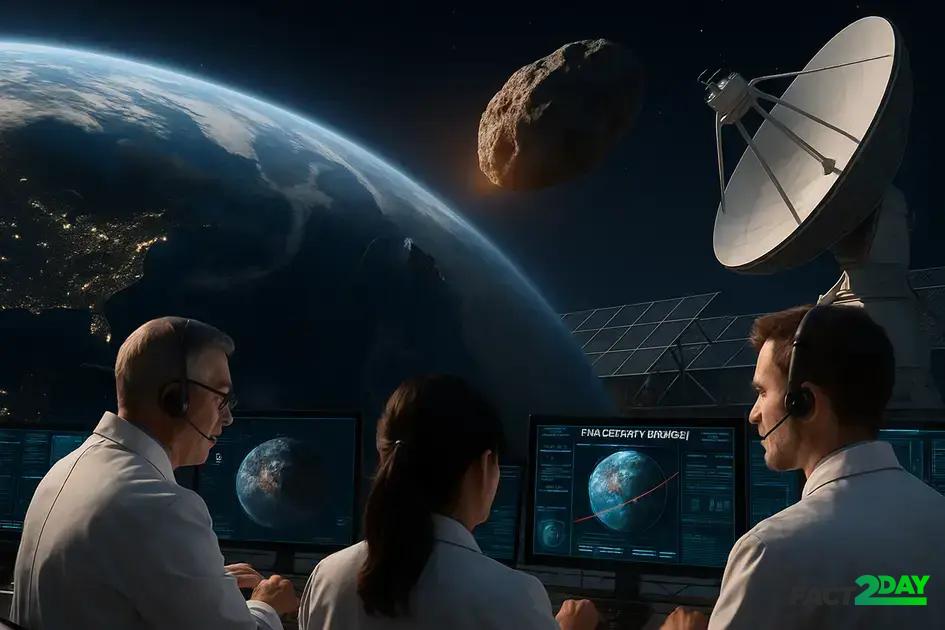
Asteroid defense involves early detection using telescopes and radar combined with deflection techniques like kinetic impactors and gravity tractors to protect Earth from potential asteroid impacts.
Asteroid defense is a curious and crucial topic when we think about Earth’s safety. Have you ever wondered how scientists track and prevent these space rocks from hitting us? Let’s explore how humanity’s shield against asteroids actually works.
understanding asteroid threats and impact risks
Asteroids are rocky objects orbiting the sun, and some pass close to Earth, posing potential impact risks. Understanding asteroid threats starts with identifying Near-Earth Objects (NEOs) that are tracked using telescopes and radar. Scientists study their size, speed, and trajectory to assess the chance of collision with our planet.
Types of Impact Risks
Asteroid impacts vary depending on their size and speed. Small asteroids usually burn up in the atmosphere, creating meteors, but larger ones can cause significant damage. For example, an asteroid measuring over 140 meters can cause regional destruction, while those above 1 kilometer might impact the global climate.
Potential Consequences
A single large asteroid impact can trigger massive wildfires, tsunamis, and a so-called “impact winter” caused by dust blocking sunlight. This can disrupt food chains and lead to widespread extinction events. Understanding these threats is crucial to developing prevention and defense strategies.
Early detection and monitoring are key to reducing risks. Organizations worldwide collaborate to find, track, and analyze asteroids with advanced technology, aiming to provide enough warning time to act if a potentially hazardous object is detected.
current technologies in asteroid detection and deflection
Current technologies play a vital role in asteroid defense by helping detect and potentially deflect hazardous space rocks. Powerful telescopes and radar systems are used worldwide to spot asteroids early. These tools capture images and track their orbits, allowing scientists to predict if an asteroid might come near Earth.
Asteroid Detection Technologies
Ground-based observatories, like the Pan-STARRS and Catalina Sky Survey, scan the skies nightly. Space-based telescopes, such as NASA’s NEOWISE, complement these efforts by spotting objects that are hard to see from Earth. Together, they create a comprehensive early warning system for asteroid threats.
Deflection Techniques
Once an asteroid is detected as dangerous, scientists explore ways to change its path. One method is the kinetic impactor, where a spacecraft hits the asteroid to alter its trajectory. Another idea is using gravity tractors — spacecraft that use their gravitational pull to slowly shift the asteroid’s course over time.
There are also concepts involving focused solar energy to weaken or push asteroids away. Testing these methods is crucial. Missions like NASA’s DART (Double Asteroid Redirection Test) aim to prove how effective these deflection techniques can be in real scenarios.
future strategies to enhance planetary defense
Future strategies for planetary defense focus on improving early detection, rapid response, and advanced deflection methods. Scientists plan to launch more powerful space telescopes that can spot smaller asteroids at greater distances, providing more time to act.
Enhanced Detection Systems
New technologies like infrared sensors and AI algorithms will improve tracking accuracy and prediction models. These tools will help identify asteroids that current systems might miss, boosting our readiness against hidden threats.
Advanced Deflection Techniques
Researchers are exploring innovative methods including nuclear explosions near asteroids to change their trajectories and robotic missions capable of attaching thrusters to steer space rocks away from Earth. These techniques aim to offer more reliable options when time is limited.
International collaboration will strengthen planetary defense capabilities, sharing data and resources globally to ensure a unified response. Space agencies and governments aim to run joint asteroid impact simulations to better prepare for real scenarios.
Protecting Earth from Asteroid Impacts
Asteroid defense is an ongoing effort combining science, technology, and international cooperation. Early detection and innovative deflection methods offer hope that we can protect our planet from future impacts.
As technology advances, our ability to spot and respond to asteroid threats will only improve, making Earth safer. Staying informed and supporting these efforts is important for everyone concerned about our planet’s future.
By investing in research and collaboration today, we help ensure a stronger planetary shield for generations to come.