Mimicking Nature: The Promise of Artificial Photosynthesis for Clean Energy
Artificial photosynthesis holds the key to clean energy, transforming sunlight into sustainable power with innovative, nature-inspired technology.
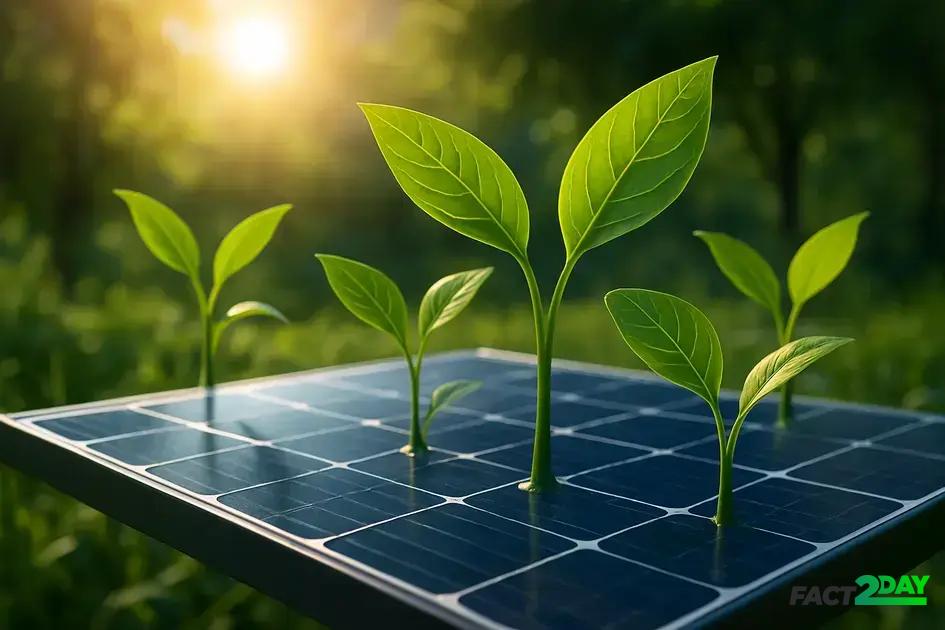
Artificial photosynthesis replicates plants’ natural process to convert sunlight, water, and carbon dioxide into clean fuels, offering a sustainable way to produce renewable energy and reduce carbon emissions.
Artificial photosynthesis offers a fascinating glimpse into how we might mimic nature’s elegance to produce clean energy. Have you ever wondered if we could harness sunlight as efficiently as plants do? Let’s explore this promising path together.
how artificial photosynthesis works
Artificial photosynthesis mimics the natural process plants use to convert sunlight, water, and carbon dioxide into energy. At its core, it involves a combination of light-absorbing materials called photosensitizers, catalysts that drive chemical reactions, and membranes to separate products.
When sunlight hits the photosensitizer, it excites electrons, creating energy that splits water molecules into oxygen, protons, and electrons—a process known as water splitting. The electrons and protons then help produce fuels like hydrogen or convert carbon dioxide into useful compounds.
Key Components and Their Roles
The photosensitizer captures sunlight efficiently, similar to chlorophyll in plants. Catalysts speed up the reactions needed to break water molecules and reduce carbon dioxide without being consumed. Membranes keep the oxygen separate from the fuel to avoid reversing the reaction.
This technology aims to replicate the complex but clean energy conversion plants do, turning sunlight directly into storable forms of energy that can replace fossil fuels, offering a sustainable and powerful solution to energy needs.
the potential for clean energy solutions
Artificial photosynthesis offers a promising path toward clean energy solutions by directly converting sunlight into fuels without emitting greenhouse gases. This system can produce hydrogen or synthetic fuels that are renewable and store energy efficiently.
Environmental Impact
Unlike burning fossil fuels, fuels created through artificial photosynthesis release no carbon dioxide when used. This can help reduce air pollution and combat climate change by lowering the overall carbon footprint.
Energy Storage and Distribution
One major advantage is the ability to store solar energy in chemical bonds, making it available even when the sun isn’t shining. This overcomes the limitations of traditional solar panels that rely on batteries for storage.
Scalability and Accessibility
Artificial photosynthesis systems can be designed for various scales—from small rural units providing local energy to large industrial plants feeding power grids. This flexibility could improve energy access in remote areas without fossil fuel infrastructure.
With continued development, artificial photosynthesis may become a vital component of a sustainable, clean energy future.
challenges and future directions
Despite its promise, artificial photosynthesis faces several key challenges that researchers are working to overcome. One major issue is improving the efficiency and stability of the materials used in these systems to make them practical for widespread use.
Material Durability and Cost
Current catalysts and photosensitizers can degrade quickly or rely on rare, expensive metals. Finding durable, affordable materials is crucial for scaling artificial photosynthesis technologies.
System Integration and Efficiency
Combining all components into a working system that efficiently captures sunlight and converts it to fuel remains complex. Losses in energy during conversion and fuel separation need to be minimized for real-world applications.
Future Research Directions
Scientists are exploring new nanomaterials, bio-inspired designs, and hybrid systems to boost performance. Advances in computational modeling and material science will guide development towards commercial viability.
With continued innovation, artificial photosynthesis has the potential to revolutionize renewable energy, but it requires overcoming these technical and economic barriers.
The future of clean energy with artificial photosynthesis
Artificial photosynthesis offers a promising way to produce clean and renewable energy by mimicking nature’s processes. Though challenges remain, ongoing research is steadily improving materials and system designs.
With more innovation and investment, this technology could become a key player in reducing pollution and combating climate change. Understanding its potential helps us appreciate how science is working to create sustainable energy solutions for the future.