Cidades Que Desapareceram: As Obras de Arquitetura Mais Impressionantes e Perdidas da História
Arquitetura perdida revela cidades desvanecidas e suas construções que encantam pela história e mistério. Descubra o passado em cada pedra esquecida.
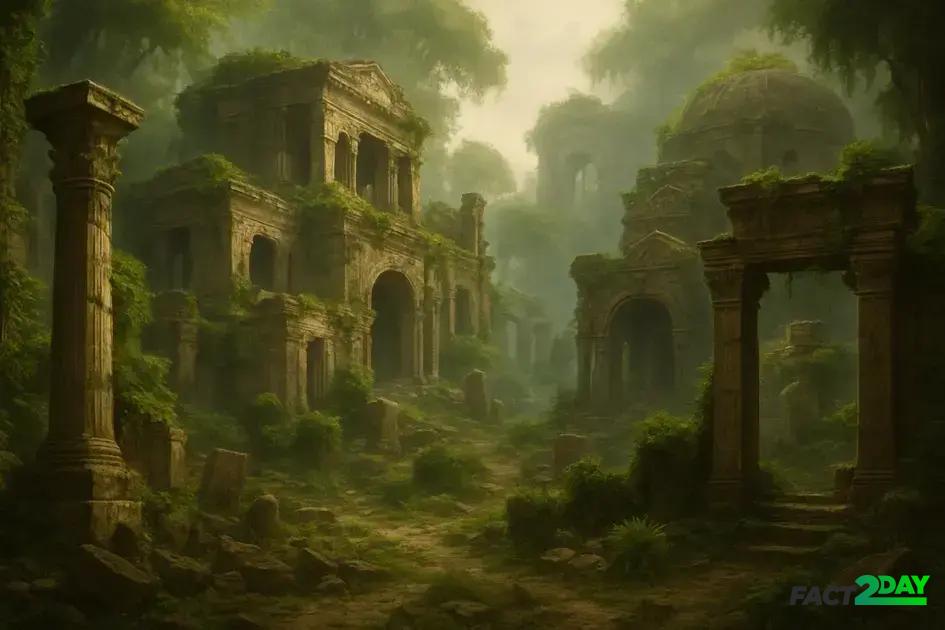
Arquitetura perdida refers to ancient buildings and cities that vanished over time, offering valuable insights into past cultures and inspiring modern preservation and study efforts.
Você já parou para pensar nas histórias que as pedras guardam? A arquitetura perdida nos leva para um universo onde cidades inteiras desapareceram, deixando pistas silenciosas que inspiram e intrigam. Que segredos escondem essas obras incríveis, e como elas ainda falam com nosso presente?
origens e mistérios das cidades perdidas
Many lost cities have origins shrouded in mystery, often buried beneath layers of earth or hidden by dense forests. These cities were once thriving centers of culture and power, but over time, factors like natural disasters, wars, or environmental changes led to their abandonment. Archaeologists use tools like satellite imagery and ground-penetrating radar to uncover the secrets of these ancient places.
The mysteries surrounding lost cities often fuel curiosity and debate. For example, some cities show advanced architectural techniques that challenge our understanding of ancient civilizations. Why were these places abandoned suddenly? What led to their decline? Exploring these questions helps us to appreciate the ingenuity and fragility of early human societies.
Many lost cities are connected to legends or myths, adding another layer to their fascinating history. Discovering artifacts or inscriptions can provide clues, but much remains unknown. Each discovery adds pieces to a vast puzzle, helping us learn how people lived, built, and adapted long ago.
principais obras arquitetônicas desaparecidas e seus segredos
Many ancient architectural masterpieces have vanished over time, leaving behind only ruins or legends. These disappeared structures showcase remarkable engineering skills and artistic expression, such as the Hanging Gardens of Babylon and the Lighthouse of Alexandria. Though their physical presence is lost, their impact on architecture and history remains significant.
Experts study historical texts, artifacts, and remaining foundations to uncover the secrets of these wonders. For example, the mysterious construction techniques of the lost city of Petra reveal advanced knowledge of stone carving and water management. Such discoveries shed light on the sophistication of past civilizations.
Preserving ruins and reconstructing these sites through technology helps us understand their cultural and historical importance. These projects inspire modern architects and historians to explore how people adapted to their environments and expressed their values through design.
a importância de preservar e estudar a arquitetura perdida
Preserving and studying lost architecture is crucial for understanding our heritage and the evolution of human creativity. These ancient structures offer valuable insights into past cultures, their technologies, and ways of life. Protecting them helps maintain a tangible connection to history.
Efforts to conserve ruins prevent further decay caused by natural forces and human activity. Scholars use modern tools like 3D scanning and digital modeling to document fragile sites accurately. This technology enables detailed analysis without damaging the original structures.
Studying lost architecture also informs modern design by showcasing sustainable building techniques and innovative problem-solving from the past. These lessons can inspire architects today to create buildings that respect both environment and culture.
Furthermore, preserving these sites supports education and tourism, bringing awareness and resources that benefit local communities. It is a way to honor the legacy of those who came before us while inspiring future generations.
Understanding the Value of Lost Architecture
Lost architecture connects us to the past and teaches us important lessons about human history and creativity. By preserving these sites, we protect the stories and skills of ancient civilizations.
Studying and caring for these ruins help us learn sustainable building methods and inspire modern designs. It also supports education and helps local communities grow through tourism.
Recognizing the importance of lost architecture ensures that future generations can continue to explore and appreciate the rich heritage hidden within these ancient ruins.