The Invisible Flavor: How Aromatic Compounds Shape What We Smell and Taste in Food
Aromatic compounds food reveal the unseen magic behind flavors, transforming our experience of taste and smell in every bite.
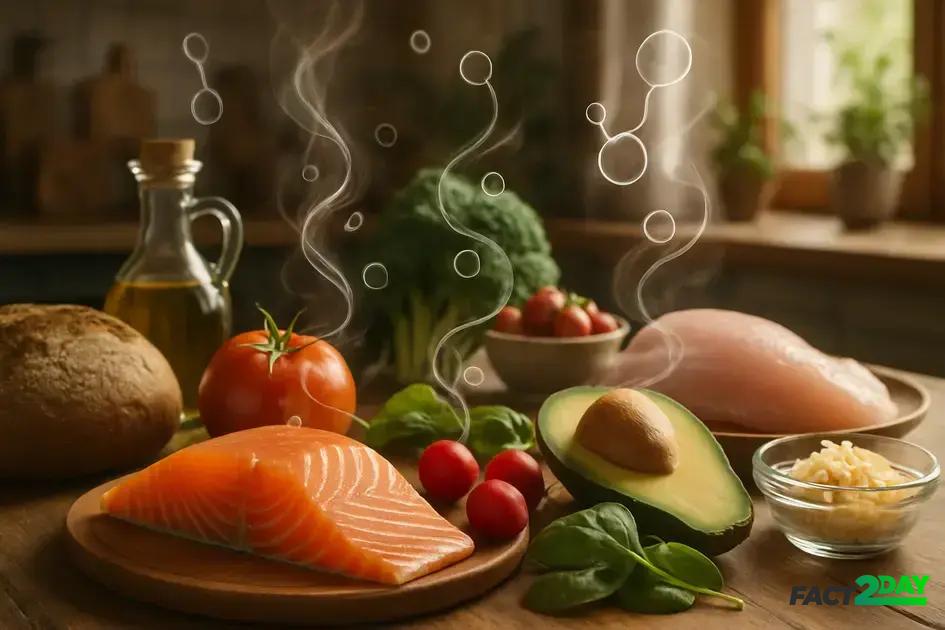
Aromatic compounds in food are volatile molecules responsible for flavors and aromas that directly influence taste perception and food preference by interacting with olfactory receptors and enhancing the overall eating experience.
Have you ever wondered why some dishes linger in your memory, fragrant and inviting? Understanding aromatic compounds food unlocks the secret behind these invisible flavors that shape what we smell and taste.
what are aromatic compounds and why they matter
Aromatic compounds are chemical substances that have a distinct smell due to their molecular structure. These molecules are responsible for the wide variety of scents and flavors we experience in foods, from the fresh aroma of herbs to the rich smell of roasted coffee. They matter because our sense of taste is closely linked to what we smell, and these compounds activate the olfactory receptors in our nose, creating the perception of flavor.
In food, aromatic compounds can come from natural sources like fruits, spices, and vegetables, or they can be developed during cooking processes such as roasting, baking, and fermentation. The presence of these molecules can dramatically change how a food tastes and feels on the palate.
Without aromatic compounds, food would be bland and unappealing. They play a crucial role in food enjoyment and even affect our appetite and memory. For instance, the smell of freshly baked bread can evoke comfort and nostalgia due to the aromatic compounds it releases.
Types of Aromatic Compounds in Food
There are many classes of aromatic compounds, including terpenes, aldehydes, ketones, esters, and phenols. Each contributes unique scents, such as citrusy, floral, woody, or smoky notes. Understanding these helps food scientists and chefs enhance flavors naturally or via food processing.
By focusing on aromatic compounds, we appreciate how these invisible elements shape our eating experience, making food more enjoyable and exciting.
the chemistry behind food aromas
The chemistry behind food aromas involves the study of volatile molecules that evaporate from food and interact with our olfactory receptors. These molecules, often called aromatic compounds, have specific chemical structures that determine how they smell. For example, aldehydes tend to have fruity or grassy aromas, while phenols can give smoky or spicy scents.
When food is heated or cooked, chemical reactions such as the Maillard reaction and caramelization create new aromatic compounds that give cooked food its distinctive smells. These reactions break down proteins and sugars, forming complex molecules that enhance flavor.
How Aromatic Molecules Work
Each aromatic compound has a unique shape that fits into olfactory receptors in the nose, triggering signals that the brain interprets as specific smells. This interaction explains why even slight changes in the chemical structure can lead to vastly different aromas.
Understanding this chemistry helps food scientists and chefs manipulate flavors and aromas to create delicious dishes. It also explains why freshness and cooking methods can dramatically alter the smell and taste of food.
how aromatic compounds influence taste perception
Aromatic compounds play a key role in how we perceive taste. While our tongue can detect basic tastes like sweet, sour, salty, bitter, and umami, much of what we interpret as flavor actually comes from our sense of smell. Aromatic molecules travel from food to the olfactory receptors in our nose, which combine with taste signals to create the full flavor experience.
This connection between taste and smell is why food can taste bland when we have a stuffy nose. When aromas are absent, flavors feel muted because the brain receives less information. This shows the powerful influence of aromatic compounds in shaping what we think we taste.
Interaction Between Aroma and Taste
Aromatic compounds enhance or modify taste perception by interacting with taste receptors and the brain. For example, fruity or floral aromas can make a food seem sweeter, while smoky or spicy aromas can add depth and complexity. This is why flavor experts focus on both aroma and taste when developing recipes or food products.
Understanding this influence is useful for chefs, food manufacturers, and even consumers. It helps explain why cooking methods, ingredient combinations, and even serving temperature can change the way a dish tastes by altering the presence and release of aromatic compounds.
sources of aromatic compounds in everyday foods
Aromatic compounds are found in many everyday foods, giving them their unique smells and flavors. Fruits like apples, oranges, and berries contain esters and terpenes that produce fresh, fruity aromas. Vegetables such as garlic and onions have sulfur-containing compounds that create their pungent, distinctive smells.
Herbs and spices are rich sources of aromatic compounds. Basil, rosemary, and thyme contain essential oils that release strong, fresh scents, while spices like cinnamon, cloves, and nutmeg provide warm, spicy aromas through complex phenolic compounds.
Aromatic Compounds in Processed Foods
Cooking and processing foods can generate new aromatic compounds. Roasting coffee beans develops pyrazines that give coffee its rich smell. Baking bread triggers the Maillard reaction, producing compounds responsible for the bread’s toasty aroma. Fermented foods like cheese and yogurt develop unique flavors from microbial activity creating acids and alcohols.
Even beverages such as wine, tea, and beer have aromatic compounds derived from their raw ingredients and fermentation processes. These contribute to the complexity and enjoyment of their taste.
Recognizing these sources helps us appreciate how aromatic compounds shape the flavors we enjoy every day.
the role of aroma in food preference and memory
Aroma plays a powerful role in shaping our food preferences and memories. The scents we associate with certain foods can evoke strong emotions and recall past experiences, influencing what we enjoy eating. This emotional connection is often linked to the brain’s limbic system, which processes both smell and memory.
For example, the smell of freshly baked cookies might remind someone of childhood, making the food more appealing. Aromatic compounds can trigger positive feelings that increase appetite and desire for specific flavors.
How Aroma Influences Food Choices
People often choose foods based on their aromas, sometimes even before tasting them. Pleasant smells can make food seem more delicious, while off-putting or unfamiliar aromas might reduce appetite. This is why restaurants and food marketers focus on aroma to attract customers.
Moreover, repeated exposure to certain aromas can build preferences over time. Cultural background and personal experiences shape how we respond to different food smells, making aroma a key factor in food acceptance and enjoyment.
how cooking methods affect aromatic compounds
Cooking methods have a significant impact on aromatic compounds in food, affecting both their development and degradation. Techniques like roasting, grilling, and frying often create new aromatic molecules through chemical reactions such as the Maillard reaction and caramelization. These reactions produce rich, complex aromas that many people find appealing.
However, some cooking methods, like boiling or steaming, may preserve the natural aromatic compounds better by avoiding high temperatures and direct contact with air. These methods tend to maintain freshness and subtle flavors in foods like vegetables and fish.
Heat and Aromatic Compound Transformation
High heat can break down some delicate aromatic compounds, changing the aroma profile. For example, prolonged cooking might reduce fruity or floral notes but enhance smoky or roasted scents. This transformation depends on temperature, cooking time, and the food’s composition.
Additionally, the use of herbs, spices, and marinades can introduce or enhance aromatic compounds during cooking. Understanding these effects lets cooks control flavor development to create desirable aromas.
Understanding Aromatic Compounds Enhances Food Enjoyment
Aromatic compounds are essential to the flavors and smells we love in food. They create the invisible magic that shapes our taste experience and memories.
By learning how these compounds work, where they come from, and how cooking affects them, we can appreciate food in a deeper way. This knowledge can help us make better choices in cooking and eating.
Ultimately, exploring the world of aromatic compounds opens up new possibilities to enjoy food more fully and with greater awareness.