Eating to Survive: The Remarkable Diets and Nutritional Adaptations of People in Extreme Climates
Arctic/Extreme Climate Diets reveal how humans survive freezing conditions through unique nutritional adaptations that sustain life against nature's harshest challenges.
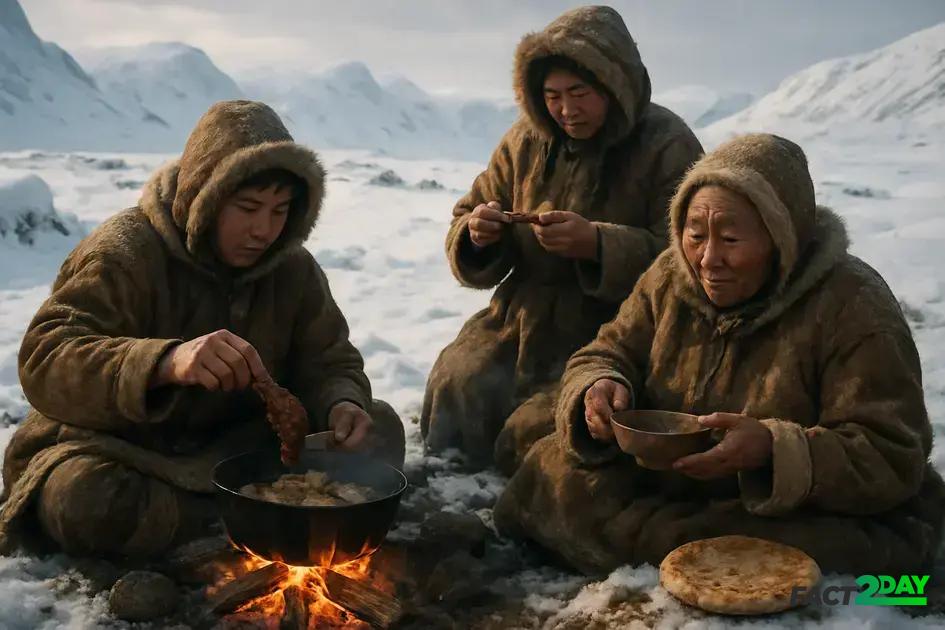
Arctic/Extreme Climate Diets rely on high-fat, high-protein traditional foods like marine mammals and fish to provide essential nutrients that support energy, warmth, and survival in freezing environments.
Arctic/Extreme Climate Diets offer a fascinating glimpse into how people thrive where few can. Ever wondered how diets sustain life amid freezing winds and relentless cold? Let’s explore the remarkable ways nutrition adapts to support survival in these extreme places.
the foundation of arctic diets: traditional foods and nutrients
The foundation of Arctic diets is deeply rooted in traditional foods that have sustained indigenous communities for centuries. These diets rely heavily on nutrient-dense sources that are well-suited to harsh, freezing environments. Sea mammals like seals and whales, as well as fish and land animals such as caribou, form the bulk of the diet. These foods provide high levels of essential nutrients, especially healthy fats and proteins, which are vital for maintaining energy and warmth.
Unlike diets rich in carbohydrates found in temperate climates, Arctic diets are low in plant-based foods due to the region’s limited vegetation. Instead, people consume organ meats that are rich in vitamins and minerals. For example, liver and fish roe are important sources of vitamin A and D, which help prevent deficiencies common in environments with little sunlight.
The diet’s emphasis on fat, especially omega-3 fatty acids found in marine animals, supports cardiovascular health and reduces inflammation. This nutritional makeup shows impressive evolutionary adaptation to extreme cold, where high caloric intake and nutrient density help keep metabolism running efficiently.
Traditional Arctic foods are also prepared in ways that preserve their nutritional value, such as drying, fermenting, or eating raw. These methods ensure that valuable vitamins and enzymes remain intact, contributing further to the diet’s effectiveness. Overall, the foundation of Arctic diets demonstrates an extraordinary harmony between environment, culture, and nutrition.
how extreme cold shapes human nutritional needs
Extreme cold environments create unique challenges that significantly shape human nutritional needs. In freezing temperatures, the body works harder to maintain its core warmth, which requires more energy and specific nutrients. Higher calorie intake becomes essential to fuel the increased metabolic rate necessary for heat production.
People living in these climates depend on foods rich in fat and protein because these macronutrients provide sustained energy and help insulate the body. Carbohydrates, which are more common in temperate diets, play a lesser role due to limited plant availability and their shorter-lasting energy.
Vitamins and minerals, especially vitamin D and iron, are vital in these regions. Vitamin D is often scarce due to limited sunlight, so Arctic diets compensate by including fatty fish and marine mammals that offer natural sources of this nutrient. Iron-rich foods like organ meats help prevent anemia, supporting overall vitality in harsh conditions.
Adaptations also extend to hydration needs. Despite cold temperatures, dehydration is a risk because reduced thirst sensation coupled with increased respiration and physical exertion can cause fluid loss. People traditionally increase fluid intake, often through warm broths or teas, to stay hydrated.
Overall, human nutritional needs in extreme cold are tailored to support energy, warmth, and essential nutrient levels, highlighting an intricate balance between environment and dietary habits.
adaptations in metabolism to survive freezing temperatures
To survive freezing temperatures, human metabolism undergoes remarkable adaptations that help conserve heat and provide the necessary energy. One key adaptation is an increased basal metabolic rate (BMR), which allows the body to produce more internal heat through faster calorie burning, especially during cold exposure.
Another metabolic change is the enhanced ability to utilize brown adipose tissue (brown fat). Unlike white fat, brown fat generates heat by burning calories without producing ATP, providing a natural thermal blanket against the cold. This process, called non-shivering thermogenesis, is crucial for maintaining body temperature without continuous muscle activity.
The metabolism also shifts to prioritize fat as the main energy source. Fat provides more calories per gram than carbohydrates or protein, making it highly efficient for prolonged energy needs. This shift supports endurance and strength in arctic conditions, where food availability fluctuates.
Moreover, the body’s hormonal responses adjust to regulate blood flow and heat distribution, reducing heat loss to the skin while ensuring vital organs remain warm. Such adaptations show how metabolism intricately balances energy use and heat preservation to sustain life in freezing environments.
the role of fat and protein in extreme climate diets
Fat and protein play crucial roles in diets adapted to extreme climates. These nutrients provide the essential energy and building blocks the body needs to withstand cold temperatures and maintain vital functions. Fat is especially important because it is dense in calories, offering more than twice the energy per gram compared to carbohydrates or proteins. This high energy density helps sustain body heat and supports prolonged physical activity in freezing conditions.
Proteins contribute by repairing and building body tissues, supporting immune function, and serving as a secondary energy source when needed. In extreme climates, diets rich in high-quality protein come from sources such as fish, marine mammals, and land animals. These proteins contain essential amino acids necessary for muscle maintenance and overall health.
Omega-3 fatty acids, found abundantly in fatty fish and marine animals, play an additional role in reducing inflammation and supporting heart and brain health. This is particularly valuable where cold stress can strain cardiovascular systems.
The synergy between fat and protein in these diets also helps maintain metabolic balance, enables efficient thermoregulation, and reduces the risk of deficiencies common in environments without many plant-based foods.
Traditional preparation methods often preserve these nutrients effectively, ensuring that people in extreme climates maintain strength and endurance year-round.
cultural heritage and its influence on food choices
Cultural heritage plays a significant role in shaping the food choices of people living in extreme climates. Traditional knowledge passed down through generations influences what is considered edible, how food is prepared, and the rituals surrounding meals. This heritage supports survival by preserving diets that are well-adapted to harsh environments.
Indigenous Arctic cultures, for example, rely heavily on hunting, fishing, and gathering native resources. These practices are not just about nutrition but also about maintaining a deep connection with the land and seasons. Food choices often reflect spiritual beliefs, community identity, and respect for nature.
Traditional food preparation methods, such as fermentation, drying, and raw consumption, have evolved to maximize nutrient retention and food safety without modern refrigeration. These methods are essential for preserving food during long winters when fresh produce is scarce.
Moreover, communal sharing of food strengthens social bonds and ensures equitable resource distribution among community members, important factors for resilience in extreme climates.
The preservation of cultural food heritage today faces challenges due to modern influences and climate change, but its value remains critical in sustaining healthy diets and cultural identity.
seasonal availability and diet variation in harsh environments
In harsh environments, seasonal availability greatly influences diet variation. During the short summers, people take advantage of the abundance of certain plants, berries, and migratory animals. These seasonal foods supplement the diet, providing variety and essential nutrients that are scarce during the long, cold winters.
Summer months often bring access to freshwater fish, wild berries, and some edible plants. These foods offer important vitamins, antioxidants, and fiber that support overall health. People traditionally gather and preserve these resources through drying, fermenting, or freezing to ensure year-round availability.
During the harsh winter season, diets shift focus to stored and hunted foods, emphasizing high-calorie meats and fat-rich animals to sustain energy and warmth. The scarcity of fresh food demands careful planning and a deep knowledge of the environment to maintain nutritional balance.
The transition between seasons calls for flexible eating habits, as well as cultural practices that respect the natural cycles. This variation helps communities endure periods of scarcity while maximizing the nutritional benefits of available resources.
Overall, the intricate relationship between seasonal availability and dietary variation is a testament to human resilience and adaptability in extreme climates.
modern challenges and changes to traditional diets
Modern challenges have brought significant changes to traditional diets in extreme climates. Globalization, climate change, and shifting lifestyles have altered food availability and preferences. Processed foods and imported goods have become more common, sometimes replacing nutrient-rich traditional foods.
Climate change affects animal migration patterns and plant growth, disrupting traditional food sources. This forces communities to adapt their diets or face nutritional deficiencies. The loss of ice and permafrost also impacts hunting and fishing practices, which are central to indigenous diets.
Urbanization and modernization lead to reduced time for food gathering and preparation. Younger generations may rely more on store-bought foods, which often lack the essential nutrients found in traditional diets. This shift can increase health risks, such as obesity and diabetes.
Efforts to preserve cultural food knowledge are vital. Programs that encourage traditional hunting, fishing, and food preparation help maintain nutritional health and cultural identity. Understanding these changes highlights the importance of balancing tradition with modern realities.
lessons from arctic diets for healthy eating everywhere
Lessons from Arctic diets offer valuable insights for healthy eating everywhere. These diets emphasize nutrient-dense foods rich in healthy fats and proteins, which provide sustained energy and support overall health. Unlike many modern diets high in processed carbohydrates and sugars, Arctic diets focus on whole, natural foods.
One key lesson is the importance of omega-3 fatty acids, plentiful in fatty fish and marine mammals. These fats reduce inflammation and support heart and brain health. Incorporating similar healthy fats from sources like fish, nuts, and seeds can benefit anyone’s diet.
The Arctic diet also demonstrates the value of balance—pairing fats with protein ensures muscle maintenance and efficient energy use. This balance supports a steady metabolism and sustained strength.
Another takeaway is the cultural integration of food practices, showing that mindful eating and respecting traditional food systems contribute to better health outcomes. Seasonal eating and food preservation techniques promote variety and proper nutrient intake.
Overall, Arctic diets inspire us to prioritize nutrient quality, balance macronutrients, and respect environmental resources for healthier eating habits worldwide.
Key takeaways on surviving with extreme climate diets
The diets of people living in Arctic and extreme climates teach us a lot about human adaptation, nutrition, and cultural heritage. These diets rely heavily on nutrient-dense foods rich in fats and proteins that help maintain energy and warmth.
By focusing on whole, natural foods and balancing macronutrients, these traditional diets provide lasting health benefits. They also highlight the importance of respecting the environment and seasonal cycles in food choices.
Modern challenges affect these diets, but preserving and learning from them can inspire healthier eating habits everywhere. Adopting some lessons from Arctic diets may lead to improved nutrition and well-being no matter where you live.