Onions were used to absorb sickness from air
Discover how antibacterial onion claims date back to old beliefs of onions absorbing sickness from the air in subtle, natural ways.
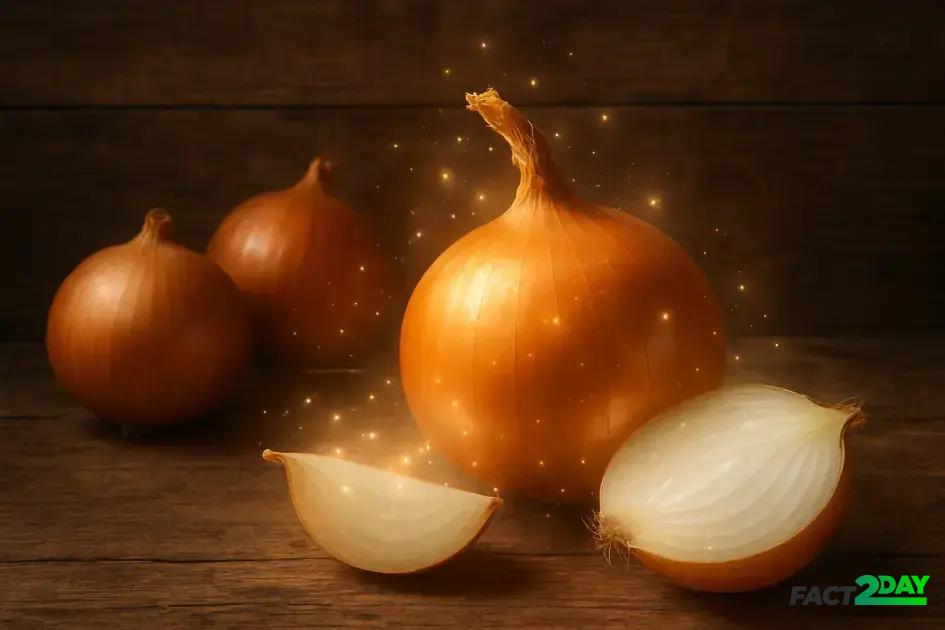
Antibacterial onion refers to the natural compounds in onions, like sulfur and quercetin, that exhibit antibacterial effects and have been used historically and in modern natural remedies to support health and fight infections.
Have you ever heard that the antibacterial onion might have been used in the past to absorb sickness from the air? It’s a curious idea rooted in tradition and nature’s gifts. Let’s see how that old belief connects with what we know today.
the history of onions in traditional medicine
Onions have been used for thousands of years in traditional medicine across many cultures. Ancient Egyptians, Greeks, and Romans valued onions for their believed healing properties. They were often applied to treat wounds, respiratory issues, and infections. Onions were seen not just as food but also as a natural remedy. Their strong smell and compounds made people think onions could absorb or repel illness from the surrounding environment.
In many cultures, onions were sliced and placed around homes or even worn as amulets to protect against disease. These practices showed a deep belief in the onion’s power to affect health beyond dietary benefits.
Traditional medicine often combined onions with other herbs and plants, using poultices, infusions, and syrups. Even though modern science is still exploring these uses, the history of onions as a healing plant is a fascinating blend of culture, belief, and natural health.
how onions were believed to absorb sickness from the air
Historically, people believed that onions could absorb sickness from the air due to their strong smell and chemical properties. During times of illness, sliced onions were placed around homes or near sick individuals to purify the air and draw out harmful germs. This simple practice was based on the idea that onions could act like natural air filters.
In the Middle Ages, it was common for families to place bowls of cut onions in rooms where people were sick. Some thought onions could pull toxins and bad odors from the air, reducing the chances of spreading disease. While this method may sound unusual today, it reflects early attempts to manage illness before modern medicine.
The belief also ties into how onions contain sulfur compounds with natural antibacterial effects. Though the extent to which onions can cleanse air remains limited, their role in history shows how people sought natural ways to combat sickness.
scientific facts about onions and antibacterial properties
Onions contain several compounds with natural antibacterial properties, including sulfur-containing compounds like allicin and quercetin. These substances help onions fight off bacteria by disrupting their growth and survival. Allicin, in particular, is released when onions are cut or crushed, acting as a natural defense.
Research shows that onion extracts can inhibit the growth of common bacteria such as Escherichia coli and Staphylococcus aureus, which are responsible for many infections. This antibacterial action makes onions valuable not only as food but also in traditional medicine.
Despite these benefits, onions do not replace antibiotics and modern treatments but can be considered a complementary natural option. Scientists continue to study how onion compounds could be used in health products and wound care due to their antimicrobial effects.
Onions also contain antioxidants that reduce inflammation and support the immune system, enhancing the body’s ability to fight infections.
the role of strong smells in ancient health practices
In ancient health practices, strong smells played a crucial role in protecting people from illness. Many cultures believed that bad odors carried disease, so they used pungent scents to purify the air. Herbs, spices, and plants like onions were popular because their sharp smells were thought to ward off harmful spirits and germs.
For example, during plagues, people carried aromatic herbs or burned incense to cleanse their surroundings. The strong scent of onions was thought to draw out sickness and create a healthier environment. People often placed onions in homes to absorb bad smells and sickness, trusting these strong odors to protect their wellbeing.
These practices reveal how ancient societies valued natural scents in health rituals. While modern science explains disease transmission differently, the use of strong smells shows early efforts to create safer living spaces using the resources available.
modern research on onions as natural antibacterials
Modern research has confirmed that onions contain powerful natural compounds that offer antibacterial benefits. Studies focus on sulfur compounds and flavonoids, such as quercetin, which have been shown to inhibit the growth of harmful bacteria.
Laboratory tests demonstrated that onion extracts can reduce bacteria like Staphylococcus aureus and Escherichia coli, which cause food poisoning and infections. These findings support traditional uses of onions for health.
Researchers are now exploring how onion compounds might be used in new treatments, including wound healing and as natural preservatives in food.
While onions aren’t a replacement for antibiotics, the scientific interest highlights their role as a complementary natural antibacterial agent, especially in promoting overall immune health.
ways to use onions for health at home
Onions can be used in several simple ways at home to support health. One common method is to cut an onion in half and place it in rooms to help cleanse the air, a traditional practice to reduce germs and odors.
Consuming onions raw or cooked also provides antibacterial and immune-boosting benefits. Adding sliced onions to salads, soups, or meals enhances flavor and nutrition.
Another popular home remedy involves making onion tea or infusion by boiling slices of onion with water. Drinking this tea may help soothe cold symptoms and support respiratory health.
Applying onion juice directly on minor wounds or insect bites is believed to promote healing due to its antibacterial properties, but it should be used cautiously to avoid irritation.
Using onions daily in cooking or as natural air purifiers is an easy, natural way to tap into their historic health benefits at home.
common myths versus facts about onions
There are many common myths about onions that people believe, but it’s important to separate fact from fiction. One popular myth is that onions can cure all illnesses simply by being placed nearby. While onions do have antibacterial properties, they cannot prevent or cure diseases on their own.
Another myth claims that onions can absorb toxins from the air or even other people’s sickness. Scientifically, onions do not have the ability to pull harmful substances out of the environment but their strong smell might mask odors.
On the factual side, onions do contain sulfur compounds and antioxidants that provide genuine health benefits when consumed. Eating onions can support your immune system and may help reduce inflammation.
Some believe onions worsen cold symptoms due to their pungent smell, but in reality, onions may help soothe congestion and boost natural defenses.
Understanding these myths versus facts helps to use onions wisely, appreciating both their limitations and their valuable nutritional qualities.
how different cultures used onions medicinally
Throughout history, different cultures have used onions for their medicinal properties in unique and meaningful ways. In ancient Egypt, onions were considered sacred and used to treat infections and wounds. Egyptians also valued them for their ability to improve circulation.
In traditional Chinese medicine, onions were used to boost immunity and ease respiratory problems. They often combined onions with herbs to create healing tonics.
Native American tribes used onions as a remedy for colds and coughs, applying onion poultices to affected areas for pain relief and infection control.
In Indian Ayurveda, onions are prized for their warming effects. They are used to stimulate digestion, reduce inflammation, and balance the body’s energy.
The versatility of onions is clear as their medicinal use spans cultures and continents, showing a deep appreciation for their natural healing qualities throughout time.
precautions and limitations of using onions for health
Using onions for health has benefits, but there are important precautions and limitations to consider. Some people may experience allergic reactions or skin irritation when handling or applying onions directly. It’s best to test a small area before using onion juice on the skin.
While onions have antibacterial properties, they should not replace medical treatments. Serious infections or illnesses require professional care. Onions are supportive but not a cure-all.
Eating large amounts of raw onions can cause digestive discomfort such as gas or heartburn. Moderation is key for those with sensitive stomachs.
Also, the belief that onions can absorb sickness or toxins from the air lacks scientific evidence. Using onions as air purifiers should be seen as a traditional practice, not a guaranteed health solution.
Consult a healthcare provider before using onions therapeutically, especially for children, pregnant women, or people with chronic conditions.
onions in contemporary natural remedy approaches
In contemporary natural remedy approaches, onions continue to be valued for their health benefits. Many natural health practitioners recommend onions for their antibacterial, anti-inflammatory, and immune-boosting properties.
Onions are commonly used in herbal teas, tinctures, and poultices to help soothe colds, reduce congestion, and support overall wellness. Their sulfur compounds are believed to support detoxification and promote heart health.
Natural remedy guides also suggest using onions as part of a balanced diet to improve digestion and reduce inflammation. Combining onions with other herbs enhances their healing effects.
While onions are not a replacement for conventional medicine, they fit well into holistic health practices that emphasize natural, accessible treatments.
Modern use of onions in natural remedies shows a blend of traditional knowledge and scientific understanding to promote better health.
Understanding the role of onions in health
Onions have a rich history as natural remedies, valued across cultures for their antibacterial and healing properties. While ancient beliefs about onions absorbing sickness from the air are more tradition than science, modern research supports their role in boosting health.
Using onions at home in various ways can offer benefits, but it’s important to be aware of their limitations and use them as a complement, not a substitute, for medical treatment.
Embracing onions in contemporary natural remedies blends traditional wisdom with scientific findings, providing a simple and natural way to support wellbeing.
By appreciating both the facts and myths, you can make informed choices about including onions in your health routine.