When Animals Ruled: Pets Who Held Official Positions in History
Animals with historical titles have shaped history in surprising ways, holding official roles that reveal a fascinating blend of politics and companionship.
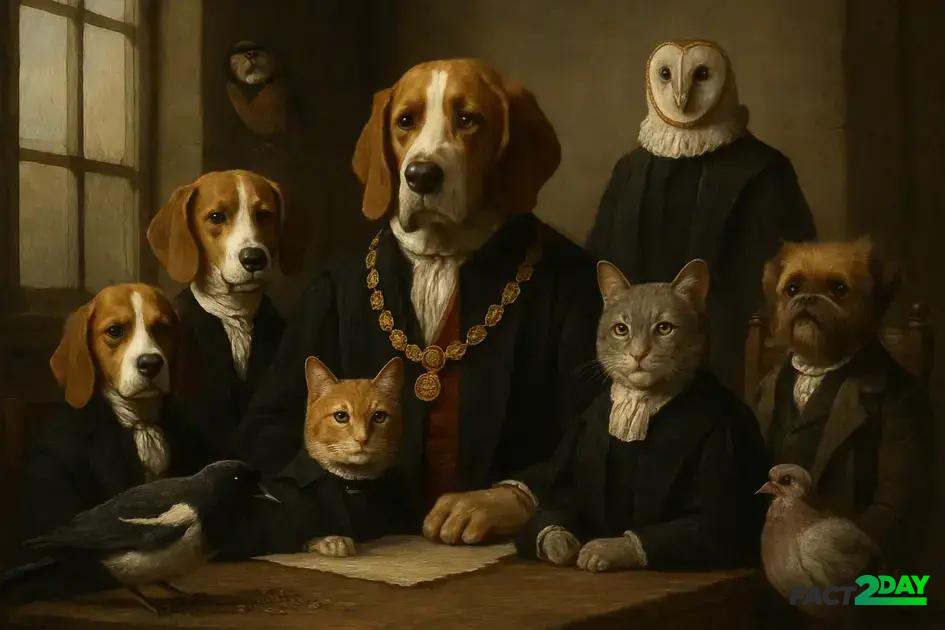
Animals with historical titles refer to pets and creatures that held official roles, ranks, or symbolic positions in history, recognized for their bravery, loyalty, or cultural significance.
Have you ever wondered about animals with historical titles who once held remarkable positions? These stories blend the rhythms of nature with the pulse of history, inviting us to see pets beyond companionship, as actors in official roles. Let’s explore some curious tales together.
uncovering famous animals with official titles
Throughout history, several animals have been granted official titles and roles that go beyond being mere pets. These famous animals with official titles often served as symbols, mascots, or even held ceremonial duties in various countries. For instance, Khangal the dog was officially recognized as a lieutenant in the Mongolian army. Moreover, Cher Ami</strong, a pigeon, was honored for saving lives during World War I by delivering messages across enemy lines. These cases reflect how animals were sometimes integral to historical events and honored accordingly.
In other cultures, animals like horses or elephants were given titles signifying their importance in royal courts or military leadership. For example, Comanche, a horse of the U.S. Cavalry, was officially recognized for his role in battles and considered a decorated war hero. Such animals gained historical fame through their association with pivotal moments or persons.
Roles and Recognition
Animals with official titles were not only symbolic but often had clear roles. In some cases, they participated in parades, served as messengers, or were official mascots representing military units or nations. Their recognition often came with special privileges, care, and public attention.
These stories highlight how humans have historically attributed formal status to animals for their courage, loyalty, or symbolic value. Understanding these roles helps us appreciate the unique places animals occupied in the past, bridging the gap between human history and the animal kingdom.
the impact of animals in political and historical roles
Animals have played significant roles in political and historical events, often influencing public opinion or morale. In some cases, animals served as mascots for political parties or military units, becoming symbols of ideology or unity. For example, Sergeant Stubby, a dog in World War I, boosted morale among troops and became a war hero by warning soldiers of incoming attacks.
Animals in political roles sometimes acted as ambassadors or goodwill symbols. In ancient Rome, certain animals were given special status, symbolizing power and divinity. Their presence in ceremonies reinforced political authority and cultural identity.
Influence on Culture and Society
These animals often influenced art, literature, and folklore, becoming part of national identities. Their stories remind us that animals can have a deep cultural and historical impact beyond their physical roles.
Their symbolic presence in political contexts can reveal much about the values and beliefs of societies throughout history. Recognizing these animals’ influence helps us understand the broader human experience and the unique roles pets have held in shaping history.
how pets gained recognition and meaningful positions
Pets have gained recognition and meaningful positions throughout history due to their unique abilities and strong bonds with humans. In many cases, animals were formally honored for their loyalty, bravery, or symbolic importance. For example, Stubby the dog was promoted to sergeant and became one of the most decorated war dogs in World War I. Such examples show how pets earned official status through extraordinary acts.
In some cultures, animals were even given official titles or roles within royal courts or governments. These positions were not only honorary but carried specific duties, such as serving as mascots, messengers, or guardians. The recognition of pets in official roles often reflected the values and traditions of their societies.
The Role of Public Perception
The affection and admiration the public has for certain pets often influenced their rise to official positions. Stories of heroic pets spread quickly, leading to formal honors and sometimes even monuments. This public support demonstrated a wider cultural appreciation of the bond between humans and animals.
Overall, the meaningful positions pets held in history reveal the deep connection humans share with animals and their impact beyond mere companionship.
Reflecting on the unique roles animals have played in history
Animals with historical titles and official positions remind us of the special bonds between humans and pets. Their stories show us how animals have influenced culture, politics, and society beyond companionship.
From honored war heroes to royal mascots, these animals earned recognition through bravery, loyalty, and symbolic importance.
Understanding their impact helps us appreciate the many ways pets have shaped history and continue to inspire us today.