The Pig in the Dock: The Bizarre History of Animals That Were Tried and Condemned
Animals on Trial reveals the strange cases of creatures facing court, blending bizarre history with true legal oddities that fascinate and surprise.
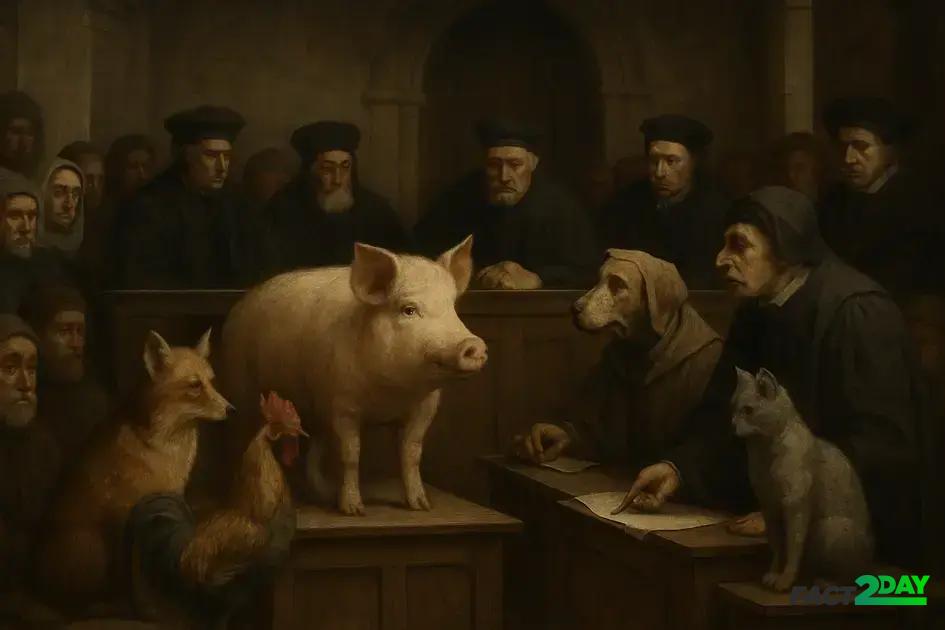
Animals on trial refers to historical legal cases where animals were tried and punished for crimes, revealing medieval beliefs about justice, morality, and human-animal relationships.
Have you heard about Animals on Trial? It’s a fascinating journey into when animals were once treated like humans in court, facing bizarre accusations and strange legal battles. Curious? Let’s explore this incredible slice of history together.
Origins of animal trials in medieval Europe
Animal trials first emerged in medieval Europe as a peculiar legal phenomenon where animals were held accountable for actions that harmed humans or property. These trials often took place in local courts, reflecting the belief that animals could be moral agents capable of intent. This practice was influenced by a combination of religious, social, and legal factors, especially during the 12th and 13th centuries when the church played a strong role in judicial matters.
Many early animal trials were rooted in the idea that animals could possess a soul or be subject to divine judgment. Legal documents from this era show that animals such as pigs, cows, and even insects faced charges ranging from property damage to accusations of murder. In fact, some trials closely mirrored human criminal procedures, including the appointment of legal representation for the accused animal.
The origins of these trials also reflect the medieval society’s attempt to impose order on chaos and unknown misfortunes. Animals, seen as part of the regular social fabric, were held responsible to maintain community harmony. This legal curiosity continued for several centuries before waning as new understandings of law and animal behavior developed.
Common animals put on trial and why
Throughout history, several types of animals were commonly put on trial, often reflecting their proximity to humans and the perceived threat they posed. Pigs were among the most frequent defendants, accused of injuries or damage caused on farms or in villages. Their reputation for foraging and causing harm to crops made them common targets.
Cattle and horses also faced trials, usually because of accidents or deaths resulting from their actions. These animals were valuable assets, so their behavior was strictly regulated. In some cases, animals were tried for causing human fatalities, which showed how seriously these legal proceedings were taken.
Why animals were tried
The reasons behind trying animals were a mix of practical and symbolic. On a practical level, these trials served to assert human control over nature and maintain social order. Legally punishing animals also functioned as a way to reassure communities that justice was served, even when harm came from unexpected sources.
Religious beliefs played a big role too. People often believed animals could be agents of divine will, either as punishers or sinners. This belief influenced the severity and seriousness of the trials.
Overall, the choice of animals on trial was usually based on their impact on human life, property, and the community’s sense of order.
The role of the church in animal prosecutions
The church played a crucial role in animal prosecutions during medieval times. It upheld the belief that animals could possess a moral conscience and be judged for sins or crimes. Clergy often influenced or directly participated in trials, ensuring that legal procedures aligned with religious doctrine.
Religious influence on animal trials
Animal trials reflected the church’s view that all creatures were subject to divine law. Punishing animals in court was seen as a way to maintain moral order and demonstrate God’s justice. Priests sometimes delivered sermons explaining the trials as part of divine punishment or lessons for the community.
Monasteries frequently kept records of animal trials, and some clerics acted as prosecutors or judges. The connection between church and court blurred the lines between secular law and religious authority. This integration reinforced the idea that animals were accountable beings before both human and divine law.
Impact on community and justice
The church’s involvement lent legitimacy to trials and reassured communities that wrongdoing would be addressed. It also illustrated how religion shaped medieval concepts of justice and responsibility, extending even to animals. This influenced not only legal traditions but also social attitudes toward animals.
Legal procedures used in animal trials
Animal trials followed legal procedures that often mirrored those used in human courts. These included formal summons, hearings, and even appeals. Animals were sometimes assigned defenders to represent them, highlighting the seriousness with which these cases were conducted.
Courts would typically begin with charges being read aloud, detailing the alleged offense. Witnesses, usually humans, might testify about the animal’s behavior or the damage caused. The trial could involve examining evidence, such as injuries or property destruction.
Defending the animal
In many cases, a lawyer or advocate was appointed to defend the animal, arguing for its innocence or mitigating circumstances. This defense could include demonstrating that the animal acted without intent or due to provocation.
Sentences following conviction ranged from fines imposed on the animal’s owner to more severe punishments for the animal itself, including execution. The strict legal framework used in these trials shows how animals were subjected to judicial scrutiny similar to people.
Famous cases of animals condemned and executed
Several famous cases of animals being condemned and executed highlight the bizarre reality of animal trials. One well-known case is the trial of a pig in 1457 in France, accused of killing a child. The pig was found guilty and publicly executed, illustrating how seriously these incidents were taken.
Another example is a group of rats in 16th-century Switzerland that were put on trial and sentenced to death for damaging crops. Their trial included a complete courtroom process, with witnesses and defense arguments.
Execution methods
Animals condemned during these trials faced various punishments, often mirroring human executions. Hanging, drowning, and burning were common methods used. These punishments reflected the gravity of the alleged offense and aimed to serve as a warning to others.
These extraordinary cases show how medieval societies attempted to enforce law and order, even over animals. The trials and executions reveal a unique blend of legal, cultural, and religious beliefs that shaped history.
Cultural beliefs behind animals as legal subjects
In medieval societies, cultural beliefs played a significant role in treating animals as legal subjects. Many people believed that animals could act with intention and moral awareness, making them accountable for their actions. This view was often tied to religious and superstitious ideas about the natural world.
Animals as moral beings
Some cultures thought animals possessed a soul or were messengers of divine will. This belief influenced the idea that animals could commit sins or crimes and should face justice like humans. This perspective blurred the lines between humans and animals in the eyes of society and the law.
Folklore and local legends also contributed to these beliefs. Stories about animals with human traits or supernatural powers made it easier for communities to accept animal trials as fair and necessary.
Social order and community protection
Trying animals reinforced social norms and community control. Punishing animals was seen as a way to protect crops, property, and people, while maintaining the order essential to daily life. This cultural framework supported the legal system’s unusual but impactful role for animals.
Comparison of animal trials across different regions
Animal trials were not limited to one region; they occurred throughout medieval Europe with varying practices and emphasis depending on the local culture and legal traditions. In France and Switzerland, pigs and rats were commonly prosecuted, while in Italy, trials sometimes involved larger animals like cattle.
Regional differences in procedures
Some regions held formal public trials with judges, lawyers, and witnesses, paralleling human legal systems. Others treated animal prosecutions more as community gatherings or church-led rituals. These differences highlight how local customs influenced the handling of such cases.
Legal outcomes also varied. In certain areas, fines were imposed on the animal’s owners rather than punishing the animal itself. In contrast, other regions practiced strict punishments including execution of the accused animal to set an example.
Cultural influences across regions
The role of the church, agricultural practices, and beliefs about animals shaped how trials were conducted. For example, in areas where the church held more power, religious doctrines strongly influenced the judicial process.
Despite these differences, the common thread was the attempt to impose order and justice in a way understandable to medieval communities, showing a broad yet diverse history of animal trials.
The decline and abolition of animal trials
The practice of trying animals gradually declined from the 17th century as new legal ideas and scientific understanding took hold. Increasing awareness that animals did not have the same moral or legal responsibilities as humans led to the abolition of these trials.
Changing legal perspectives
Legal reforms shifted focus from punishment to animal welfare and the responsibilities of owners. The idea that animals could not reason or intend harm became widely accepted, reducing the justification for holding trials.
The rise of modern legal systems emphasized rationality and evidence, making animal trials appear outdated and irrational. Courts began to treat animal-related damages as matters of civil responsibility rather than criminal justice.
Social and cultural changes
As societies progressed, superstition and religious interpretations lost influence over law. Enlightenment thinking promoted more humane views of animals and questioned the fairness of punishing animals for actions beyond their control.
By the 18th century, most regions had abandoned animal trials, reflecting a significant shift in how humans related to animals and justice.
Modern interpretations and historical analysis
Modern interpretations of animal trials seek to understand the cultural, legal, and social contexts behind these strange historical events. Scholars analyze these trials as reflections of medieval beliefs about justice, morality, and humanity’s relationship with animals.
Historical significance
These trials offer insight into how societies tried to make sense of natural disasters, accidents, and unexplained events. They reveal the blend of superstition and emerging legal frameworks that shaped medieval life.
Researchers today view animal trials as symbolic acts that served social and religious purposes beyond just legal punishment. The trials helped reinforce community norms and the authority of both secular and religious leaders.
Impact on modern views
Historical analysis of these events also informs contemporary discussions about animal rights and legal responsibility. By studying past beliefs, scholars can trace how ideas about animals and justice have evolved over time.
These interpretations highlight the need to consider cultural context when examining historical legal practices, reminding us of the changing values in law and society.
Folklore and myths inspired by animal trials
Animal trials inspired many folklore stories and myths that were passed down through generations. These tales often explained why animals behaved in certain ways or served as moral lessons to communities.
Folklore themes
Stories depicted animals as either cursed, punished, or acting under supernatural influence. For example, some legends told of pigs accused of crimes who were spirits in disguise or punished by gods for misdeeds.
These myths helped people make sense of the unusual legal practices and reinforced cultural values like justice, responsibility, and community protection.
Impact on culture
Folklore surrounding animal trials contributed to a rich tradition of storytelling that blended real events with fantasy. These stories influenced art, theater, and literature, while also preserving historical memory of the trials themselves.
Such myths illustrate the powerful role of narrative in shaping how societies viewed the natural world and the complexities of justice involving animals.
Lessons about justice from the bizarre history
The bizarre history of animal trials offers surprising lessons about justice. It highlights how legal systems have evolved from punitive actions based on superstition to more rational and humane approaches.
Understanding the importance of intent
One key lesson is the modern emphasis on intent in justice. Medieval trials held animals accountable without considering whether they understood their actions. Today, intent is central to legal responsibility, showing progress in legal thought.
Reflecting on fairness
These trials also remind us of the importance of fairness and evidence in legal processes. Punishing beings incapable of understanding wrongdoing challenges our ideas of justice and compassion.
Studying such history encourages critical thinking about how societies define responsibility and apply laws. It warns against blind adherence to tradition or fear when deciding justice matters.
Lessons for contemporary law
The history encourages modern legal systems to balance rules with empathy and rationality. It also prompts reflection on how animals and other non-human entities might be treated within evolving legal frameworks.
How animal trials influence contemporary animal rights debates
The history of animal trials provides a surprising backdrop to contemporary debates about animal rights. These trials show early recognition that animals could be subjects of legal consideration, although interpreted very differently than today.
Legacy in modern animal rights
Animal trials highlight the shifting perception of animals from property to beings with certain protections. While medieval trials punished animals, modern debates focus on their welfare and ethical treatment. This history reminds us that legal views about animals have long been complex and evolving.
Some argue that these trials reflect early attempts to hold humans accountable for animal behavior indirectly. Today, this idea connects to discussions on responsibility for animal welfare and cruelty prevention.
Influence on laws and ethics
Historical animal prosecutions shape contemporary legal frameworks by showing how culture and law interrelate. They offer lessons on how law can adapt to new understandings of animal sentience and rights.
The contrast between past trials and present advocacy stresses the importance of empathy, science, and ethics in policymaking. It encourages ongoing reflection on improving legal protections for animals.
Reflecting on Animals on Trial and Their Legacy
The strange history of animals on trial reveals a unique chapter in law and culture. It shows how people once viewed animals as part of the legal and moral world, reflecting their beliefs and fears.
Understanding this past helps us appreciate the progress made in animal welfare and justice. It also reminds us to keep questioning and improving how we treat all living beings.
By learning from these bizarre trials, we gain insight into justice that balances reason, empathy, and respect for life.