Life on Pause: The Science Behind Animal Hibernation, Estivation, and Cryo-Survival
Explore Animal Suspended Animation and uncover the mysteries of nature's pause button—hibernation, estivation, and survival in extreme cold.
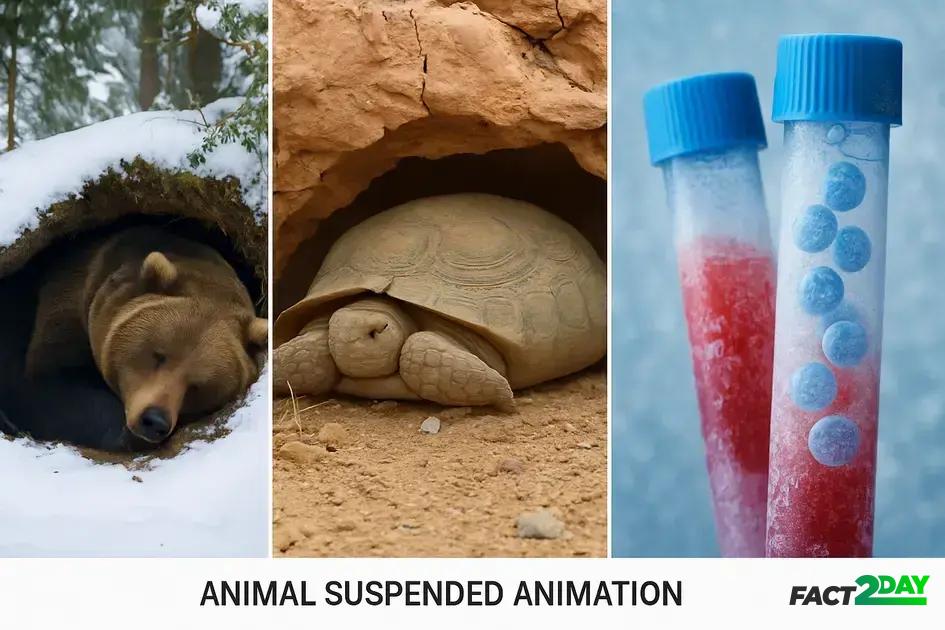
Animal suspended animation is a biological state where animals drastically slow their metabolism to survive extreme conditions like cold and drought through hibernation, estivation, or cryo-survival.
Animal Suspended Animation fascinates us by showing how life can pause and adapt when challenges arise. Have you ever wondered how some creatures survive through deep winters or scorching droughts? Let’s journey into this quiet world of survival and transformation together.
what is animal suspended animation?
Animal suspended animation refers to biological states where animals drastically slow down their metabolic processes to survive extreme environmental conditions. This natural strategy allows creatures to endure periods of scarcity, cold, or heat by entering a state similar to sleep or dormancy. These states are not the same as sleep but involve reduced heart rate, slowed breathing, and minimal energy use, effectively ‘pausing’ bodily functions.
There are different forms of suspended animation in the animal kingdom, including hibernation, estivation, and cryo-survival. Each serves specific purposes related to the type of environmental stress faced. For example, hibernation helps survive cold winters, while estivation is used to tolerate hot and dry conditions.
During suspended animation, animals often trigger molecular and cellular changes to protect vital tissues and organs from damage. This includes adjustments in gene expression, production of protective proteins, and controlling oxidative stress. It is a fascinating survival mechanism that allows life to persist against challenging odds.
how hibernation helps animals survive harsh winters
Hibernation is a crucial survival strategy that allows animals to endure harsh winters by significantly reducing their metabolic rate. During this period, animals enter a state of deep sleep where heart rate, breathing, and body temperature drop dramatically. This conservation of energy enables them to survive months without eating or drinking while food sources are scarce.
Physiological changes during hibernation include fat accumulation before winter, which serves as the primary energy reserve. Animals such as bears, bats, and ground squirrels build thick fat layers that keep them warm and nourished throughout the hibernation period.
In addition to energy conservation, hibernation also protects animals from freezing temperatures and predators. By remaining inactive in dens, burrows, or caves, they avoid exposure to the elements and reduce the chance of predation.
Interestingly, animals can occasionally awaken from hibernation to briefly check their surroundings or eliminate waste before returning to their low metabolic state. These cycles are carefully regulated by the brain and environmental cues like temperature and daylight.
Studying hibernation reveals insights into biological resilience and has inspired research into human medicine, including trauma care and organ preservation.
the role of estivation in coping with heat and drought
Estivation is a survival mechanism used by some animals to cope with hot and dry environments. During estivation, animals enter a state of dormancy characterized by a significant reduction in metabolic activity. This helps them conserve water and energy when conditions are harsh and food or moisture is scarce.
Animals that estivate include certain amphibians, reptiles, and invertebrates like snails and lungfish. These creatures often burrow into soil or hide in cool, moist places to avoid the extreme heat and dehydration outside.
Physiological changes during estivation include slowing down the heart rate and respiration, lowering body temperature, and reducing urine production. These adaptations reduce water loss and preserve vital functions while the animal waits for the environment to become favorable again.
Estivation can last from weeks to months, depending on the species and environmental conditions. When the rains return or temperatures drop, animals gradually resume normal activity.
Understanding estivation helps scientists learn how organisms manage stress and survive environmental extremes. It also offers clues for developing better strategies to protect ecosystems affected by climate change.
cryobiology: life preserved in freezing conditions
Cryobiology is the study of how living organisms survive in freezing conditions by slowing down or halting biological processes. Many animals, such as frogs and certain insects, can endure subzero temperatures by entering a state where their body water partially freezes without causing damage.
This remarkable ability involves producing special proteins called antifreeze proteins that prevent ice crystals from growing and damaging cells. These proteins help control ice formation and stabilize cell membranes, ensuring survival during freezing.
During cryopreservation, metabolic activities nearly stop, allowing cells and tissues to be preserved for long periods. This natural process inspired scientists to develop lab techniques to freeze and store biological materials like embryos, blood cells, and organs.
Animals that survive freezing often replace body fluids with cryoprotectants such as glucose or glycerol. These substances reduce ice formation and protect tissues from mechanical stress caused by freezing and thawing.
Understanding cryobiology offers insights into medical advances, such as organ transplantation, fertility preservation, and potential future therapies for preserving humans in suspended animation.
biological processes behind metabolic slowdown
Metabolic slowdown in animals during suspended animation involves several biological processes that reduce energy consumption and preserve vital functions. One key aspect is the suppression of cellular activities, including protein synthesis and ion transport, which lowers the overall demand for oxygen and nutrients.
Another important factor is the regulation of enzymes and metabolic pathways. Animals adjust hormone levels and cellular signals to slow down metabolism, often reducing ATP production in mitochondria. This shift helps conserve energy by minimizing non-essential biochemical reactions.
Genetic expression also plays a crucial role; specific genes activate protective proteins that shield cells from damage caused by low oxygen and temperature changes. Antioxidants and heat-shock proteins help maintain cellular integrity during these periods of reduced activity.
Cell membranes adjust their composition to remain stable at low temperatures, preventing leakage and ensuring cell survival. Additionally, the buildup of metabolic wastes is controlled to avoid toxicity.
These combined processes allow animals to survive extended periods without food or water while maintaining the potential to recover when conditions improve.
how understanding suspended animation can benefit humans
Understanding suspended animation in animals offers exciting potential benefits for humans, particularly in medicine and space exploration. By studying how animals safely slow down their metabolism and protect their cells during harsh conditions, researchers hope to apply these techniques to improve human health.
Medical applications include improving organ preservation for transplants. If doctors can mimic suspended animation, they could keep organs viable longer outside the body, increasing transplant success rates and saving more lives.
Suspended animation could also help in trauma care by slowing bodily functions during emergencies, giving medical teams more time to treat severe injuries. This approach might reduce damage from blood loss or lack of oxygen.
In space travel, inducing a hibernation-like state could allow astronauts to survive long missions with fewer resources and less psychological stress. This would make journeys to distant planets more feasible and safe.
Research in this field also advances knowledge about aging and disease. By learning how cells resist damage during suspended animation, scientists aim to develop therapies to slow aging or protect against degenerative diseases.
The promising future of suspended animation research
Suspended animation in animals reveals powerful survival strategies that inspire new ways to help humans. From improving medical treatments and organ preservation to making deep space travel possible, this research opens exciting doors.
By learning to safely slow down metabolism and protect cells, scientists hope to enhance trauma care and develop therapies against aging and disease. These advances could transform how we approach health and exploration.
While challenges remain, ongoing studies bring us closer to unlocking the full potential of suspended animation for human benefit. This knowledge could one day pause time for patients and explorers alike, marking a new era of medicine and discovery.