The Great Journey: Unraveling the Enigmas of Animal Migration Across Continents and Oceans
Animal Migration Mysteries reveal astonishing journeys of creatures crossing continents and oceans, inviting you to explore nature's most captivating travel tales.
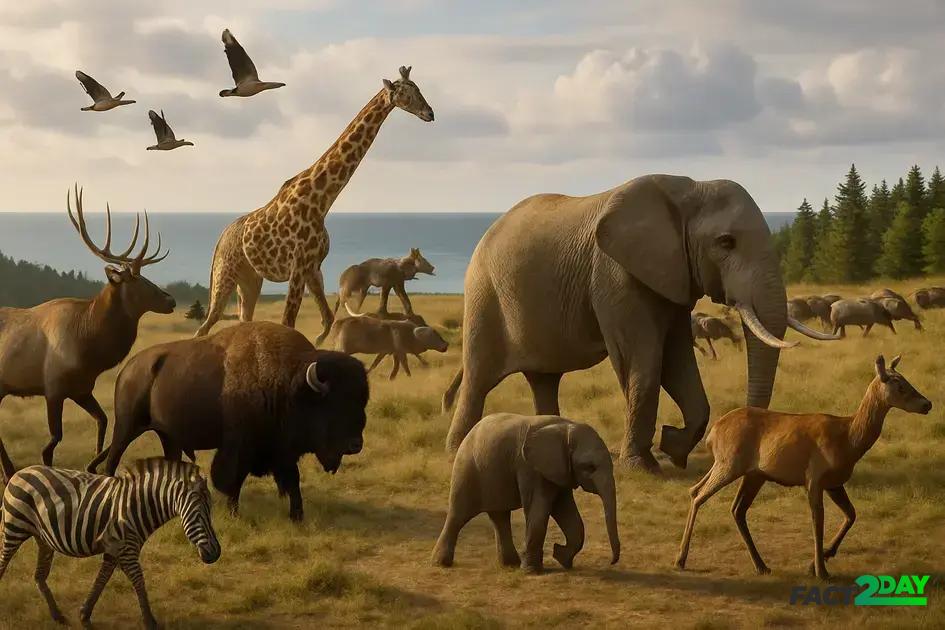
Animal Migration Mysteries involve complex instincts, environmental cues, and diverse migration routes shaped by natural challenges and human impacts, revealing the vital role of migration in maintaining ecosystems and species survival across continents and oceans.
Animal Migration Mysteries captivate us with tales of incredible journeys spanning vast continents and oceans. Have you ever wondered how these creatures navigate such vast distances? Let’s explore these enigmatic travels together.
the science behind animal migration
Animal migration is driven by a fascinating blend of biology, environmental cues, and evolutionary adaptation. The science behind animal migration explores how animals know when and where to travel vast distances, often returning to the exact locations year after year. Many species, including birds, fish, and mammals, rely on internal biological clocks, known as circadian rhythms, to time their movements precisely.
Navigation and Orientation
Animals use a variety of natural tools for navigation. Some rely on the Earth’s magnetic field to guide them, while others use the position of the sun and stars. For example, migratory birds have cells in their eyes that can detect magnetic fields, enabling them to create mental maps of their routes. Additionally, scent and landmarks also play a crucial role, especially for mammals and insects.
Environmental Triggers
Changes in temperature, daylight length, and availability of food often trigger migration. These environmental signals help animals prepare for their journey by altering their metabolism or behavior. For instance, monarch butterflies begin their migration as days get shorter and temperatures cool in autumn.
Genetics and Instinct
Many migratory species inherit the knowledge of their routes through genetics. This innate instinct guides them even if they have never made the journey before. Researchers study how genes influence migratory patterns by comparing populations with different behaviors, revealing the deep biological programming behind these amazing journeys.
Understanding the science behind animal migration not only satisfies curiosity but also assists in conservation efforts, ensuring these creatures can continue their incredible travels for generations to come.
amazing routes animals take across continents
Many animals follow amazing routes during migration, traveling thousands of miles across continents. These routes are often shaped by geography, climate, and food availability. For example, the Arctic tern holds the record for the longest migration, flying from the Arctic to the Antarctic and back every year—a journey over 40,000 miles.
Bird Migration Pathways
Birds use well-established flyways that often follow coastlines, mountain ranges, or rivers. These natural landmarks help them conserve energy and find rest stops along the way. Some species, like the bar-tailed godwit, fly nonstop across the ocean for several days, relying on fat reserves to sustain them.
Mammal Migration Routes
Large mammals such as wildebeest and caribou migrate seasonally to find food and give birth. Wildebeest in Africa cover hundreds of miles through the Serengeti and Maasai Mara, following the rains and fresh grass. These routes are vital for their survival and the health of the ecosystem.
Marine Animal Pathways
Marine species like humpback whales and sea turtles also follow remarkable migration routes in oceans. Humpbacks travel thousands of miles between feeding grounds in cold waters and breeding grounds in tropical regions. Sea turtles hatch on beaches and migrate across entire ocean basins before returning to lay their eggs.
The spectacular routes animals take reveal the incredible endurance and adaptability required to navigate diverse landscapes and climates. These journeys are essential for survival, reproduction, and maintaining balance in nature.
how oceans influence migration patterns
Oceans play a crucial role in shaping the migration patterns of many animal species. How oceans influence migration patterns involves factors such as currents, temperature, and food availability that guide marine and coastal species during their long journeys.
Ocean Currents as Highways
Many marine animals use ocean currents to travel efficiently over vast distances. Currents can carry animals like sea turtles, whales, and fish, saving energy during migration. For example, the Gulf Stream helps transport fish and marine mammals along the Atlantic coast.
Temperature and Seasonal Changes
Water temperature influences when and where animals migrate. Species often move to warmer waters for breeding and colder waters for feeding. Seasonal shifts in ocean temperature trigger migration timing, ensuring animals arrive when food is most abundant.
Food Availability and Ecosystem Dynamics
Oceans are dynamic ecosystems where food resources change location and quantity. Many migratory species follow their prey, such as krill, plankton, or small fish. This predator-prey movement drives migration routes and patterns in both marine and coastal animals.
Challenges Posed by Oceans
Despite the ocean’s assistance, marine animals face challenges like strong storms, pollution, and human-made barriers. These factors can disrupt migration routes, affecting survival and reproduction rates.
Understanding the complex influence of oceans on migration helps scientists protect these species and maintain the balance of marine ecosystems.
tools researchers use to track migrations
Tracking animal migration has become more advanced thanks to various cutting-edge tools. Tools researchers use to track migrations help scientists gather precise data on movement patterns, behavior, and environmental impacts.
Satellite Tracking
One of the most common methods is satellite tracking, where animals are fitted with GPS devices or transmitters. These devices send real-time location data, allowing researchers to monitor long-distance migrations, such as those of sea turtles and birds, with great accuracy.
Radio Telemetry
Radio telemetry involves attaching a small radio transmitter to an animal. Researchers then use receivers to pick up signals and track the animal’s movement over shorter distances. This method is useful for studying animals in dense habitats like forests.
Geolocators and Data Loggers
Geolocators record light levels to estimate geographic positions, helping track migratory routes, especially in small birds. Data loggers capture environmental information such as temperature and depth, providing insight into migration conditions.
Drone Technology
Drones offer a bird’s-eye view, allowing researchers to observe and track groups of animals in hard-to-reach areas without disturbing them. They are increasingly used in wildlife studies for mapping habitats and migration paths.
These tools have revolutionized our understanding of migration, enabling better protection and management of migratory species worldwide.
the role of instincts and environmental cues
Migration is largely guided by a combination of instincts and environmental cues. Animals rely on built-in instincts to know when to start their journey, where to go, and how to navigate complex routes.
Innate Instincts
Many species possess genetic programming that triggers migration behaviors automatically. For example, young birds may embark on migration without ever having made the journey before, driven purely by instinct. These innate signals prepare animals for travel, affecting their physiology and behavior.
Environmental Cues
External factors also provide key information about timing and direction. Changes in daylight length, temperature, and food availability signal animals to begin migration. Environmental landmarks like mountain ranges, rivers, and coastlines assist with navigation by serving as reference points.
Combination of Signals
Animals often combine multiple cues for precision. For example, some birds use the sun’s position during the day and stars at night, while sensing the Earth’s magnetic field to correct their course. This multi-sensory approach helps them adapt when one cue is unavailable.
Understanding how instincts and environmental cues work together is vital to appreciating the complexity of animal migration and how these creatures survive challenging journeys.
challenges animals face during migration
The journey of animal migration is full of difficulties. Challenges animals face during migration include natural obstacles and human-related threats that can impact their survival and success.
Natural Barriers
Animals often navigate through tough terrain like mountains, deserts, and large bodies of water. These natural barriers require incredible endurance and energy. For example, salmon swim upstream against strong currents to spawn, while birds face harsh weather conditions such as storms or extreme temperatures.
Predation Risks
During migration, animals are vulnerable to predators. Traveling long distances in unfamiliar areas can reduce their ability to hide or defend themselves. This makes young or exhausted animals especially at risk.
Human Impact
Human activities add significant challenges. Habitat destruction, urban development, and pollution disrupt migration routes. Roads, fences, and buildings can block traditional paths, while light pollution confuses nocturnal migrants like birds and insects.
Climate Change Effects
Changing climates alter the timing and availability of food and breeding grounds. This unpredictability can lead to mistimed migrations, causing animals to arrive too early or too late for essential resources.
Despite these challenges, many species continue to make remarkable journeys every year, highlighting their resilience and the importance of protecting migratory routes.
what migration teaches us about nature’s balance
Animal migration offers valuable lessons about nature’s balance and the delicate connections within ecosystems. Through migration, animals help sustain healthy environments and promote biodiversity.
Supporting Ecosystem Health
Migratory species often act as pollinators or seed dispersers, such as birds and butterflies, which contribute to plant growth and forest renewal. Their movements help maintain the balance between different species by controlling populations and spreading nutrients.
Indicator of Environmental Changes
Migration patterns can reveal shifts in climate and habitat health. When animals arrive earlier or later, or fail to migrate altogether, it signals changes in nature’s rhythms. Scientists use this data to monitor ecosystem wellness and address environmental threats.
Interconnected Species
Migrations link distant ecosystems and species, creating networks where energy and resources flow. For example, salmon migrations bring nutrients from the ocean to freshwater systems, benefiting plants, animals, and even human communities.
Overall, migration highlights the intricate balance and interdependence of life on Earth, reminding us why protecting these journeys is vital for our planet’s health.
Understanding the Importance of Animal Migration
Animal migration is a remarkable natural event that teaches us a lot about the balance of life on Earth. These journeys help keep ecosystems healthy and show how species depend on each other.
By studying migration, we can also learn about environmental changes and the challenges animals face, which is important for protecting our planet.
Supporting migration means supporting nature itself, ensuring that future generations can continue to witness these amazing travels and the harmony they bring to the world.