Creatures That Detect Electric Fields
Discover how the animal electric sense allows creatures to navigate and survive by detecting invisible electric fields around them.
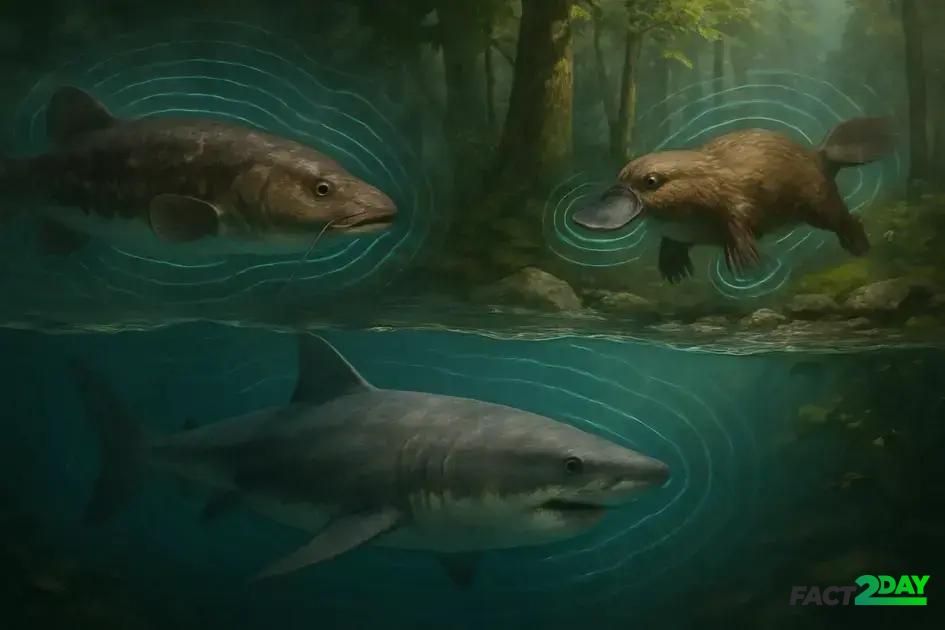
Animal electric sense is the ability of certain species to detect electric fields through specialized organs called electroreceptors, aiding in navigation, hunting, communication, and environmental awareness.
Have you ever wondered how some creatures navigate the world by sensing what we cannot? The animal electric sense lets certain animals detect electric fields surrounding them, opening a fascinating window into nature’s hidden senses.
what is the animal electric sense and how it works
The animal electric sense is a fascinating sensory ability that allows certain animals to detect electric fields in their environment. This sense is not common to all creatures but is especially prominent in aquatic species such as electric fish and sharks. The mechanism behind this involves specialized organs called electroreceptors, which can pick up weak electrical signals produced by other living beings or environmental changes.
These electroreceptors work by detecting changes in the electric field around the animal, helping them navigate, find prey, or communicate. For example, electric fish generate electric pulses and sense the returning signals to map surroundings even in murky water where vision is limited. This process is often called electrolocation.
On a biological level, the nervous system interprets these electric cues, allowing rapid responses to predators or mates. The electric sense complements other senses like sight and smell, offering an advantage in challenging environments. Understanding how it works requires knowledge of bioelectricity and the specific adaptations that evolved over millions of years.
species known for detecting electric fields
Several species have developed the incredible ability to detect electric fields, mainly aquatic animals but also some terrestrial ones. One of the most famous electric field detectors is the electric fish, which includes species like the electric eel and the knife fish. These fish use electric fields to navigate murky waters and communicate with each other.
Sharks and rays are other well-known examples. They possess specialized organs called ampullae of Lorenzini, which allow them to sense the weak electric fields generated by prey hiding under the sand or nearby. This ability gives them a huge advantage when hunting in dark or cloudy waters.
The platypus, a unique mammal, is a terrestrial example with electroreceptive capabilities. It uses its bill to sense electric fields produced by movements of small underwater prey while foraging in rivers. Similarly, certain species of freshwater fish and amphibians also use electric sensing for navigation and communication.
Unique Adaptations Across Species
Each species has evolved different methods and organs to detect electric fields, highlighting the diversity and importance of this sense. While fish rely mostly on electroreceptors in their skin, the platypus’s bill contains thousands of electroreceptors to help it hunt in murky waters.
how electroreception benefits animals in nature
Electroreception offers several key benefits to animals, helping them survive and thrive in their environments. One major advantage is improved navigation. Animals like electric fish and sharks use electric fields to move safely through dark or murky waters where vision is limited or ineffective.
This ability also enhances hunting and prey detection. Many animals can sense the weak electric fields generated by the muscle contractions of other creatures. This helps predators locate hidden or camouflaged prey.
Electroreception plays a vital role in communication between animals. Some species produce specific electric signals to send messages, find mates, or establish territory, creating a private channel that is not easily detected by others.
Additionally, electroreception helps animals avoid predators by sensing the electric fields created by approaching threats. This early warning system allows them to react quickly to danger.
Environmental Adaptation
In challenging habitats like turbid rivers or deep seas, electroreception offers a crucial edge. It supports environmental awareness by providing information about objects, other animals, and obstacles even without direct sight or sound, greatly improving an animal’s ability to adapt.
the science behind electric field detection
The science behind electric field detection centers on specialized organs called electroreceptors. These are sensory cells that respond to electrical signals in the environment. When an electric field passes near an animal, it causes changes in the electroreceptors, which send signals to the animal’s nervous system.
Electroreceptors can be classified into two types: ampullary and tuberous receptors. Ampullary receptors detect low-frequency electric fields, often produced by other animals. Tuberous receptors are tuned to higher frequencies and are common in electric fish generating electric fields themselves.
At the cellular level, electroreceptors contain ion channels that open or close in response to electrical stimuli, creating nerve impulses. These impulses travel to the brain, where specialized neural circuits process the signals to create an awareness of nearby objects, prey, or predators.
Electrolocation and Communication
The brain interprets changes in the electric field through a process known as electrolocation. This allows animals to detect the size, distance, and even the shape of nearby objects by analyzing the disturbance they cause in the self-generated electric field.
Some species use electric signals for communication. These signals can vary in frequency and pattern, conveying information about identity, reproductive status, or territorial boundaries.
examples of electric sensing in aquatic and terrestrial creatures
Electric sensing is found in both aquatic and terrestrial creatures, showcasing a fascinating adaptation to different environments. Among aquatic animals, electric fish such as the electric eel and elephantfish use electric fields to navigate, communicate, and hunt in murky waters. These fish generate electric signals and detect disruptions caused by nearby objects or other animals.
Sharks and rays use ampullae of Lorenzini, unique electroreceptors located around their snouts, to detect the faint electric fields from prey hidden under the sand. This helps them hunt efficiently even when visibility is low.
On land, the platypus is a remarkable example of an animal with electric sensing ability. It hunts underwater by detecting electric fields produced by the muscle contractions of its prey. Similarly, some species of electric fish in freshwater and amphibians have adapted to use electric sensing for navigation and communication.
Diverse Adaptations
These examples illustrate a wide range of evolutionary adaptations, from specialized skin receptors in fish to highly sensitive bills in the platypus. The ability to sense electricity provides these animals with powerful tools for survival in diverse habitats.
the future of studying animal electric senses
The future of studying animal electric senses holds great promise as technology and scientific methods improve. Researchers are developing more sensitive electrophysiological tools to measure electric signals emitted or detected by animals with greater precision. This helps unlock deeper understanding of how electroreception works in different species.
New imaging techniques, such as high-resolution MRI and 3D scanning, allow scientists to explore the anatomy of electroreceptors and neural pathways in detail without harming the animals. This promotes ethical research and better insights into the structures involved.
Additionally, advances in bioinformatics and genetic studies are revealing the genes responsible for developing electroreceptors and may help explain how this sense evolved. Comparing genomes of electric sense animals with others can uncover the biological basis of this unique ability.
Applications and Innovations
Understanding animal electric senses better could inspire new technologies, such as underwater navigation systems and sensors that mimic electroreception. Robotics and artificial intelligence may also benefit from biomimetic designs based on these natural electric sensing systems.
Moreover, studying these senses provides crucial data on animal behavior and environmental changes, aiding conservation efforts. As climate change impacts habitats, knowing how animals perceive electric fields can help predict how they will adapt or struggle.
Understanding the wonders of animal electric senses
The ability of animals to detect electric fields opens a unique window into the natural world. This sense helps them navigate, hunt, and communicate in ways that are still being discovered.
As science advances, so does our understanding of these incredible creatures and their hidden abilities. New technologies and research methods will continue to reveal the mysteries of electric sensing.
By learning more about this remarkable sense, we not only deepen our appreciation of nature but also gain insights that could inspire innovative technology and help protect wildlife in changing environments.