Masters of Metamorphosis: Animals That Change Skin and Color in Extraordinary Ways
Animais que mudam de cor radicalmente revelam segredos incríveis da natureza, transformando-se para sobreviver e encantar seus admiradores.
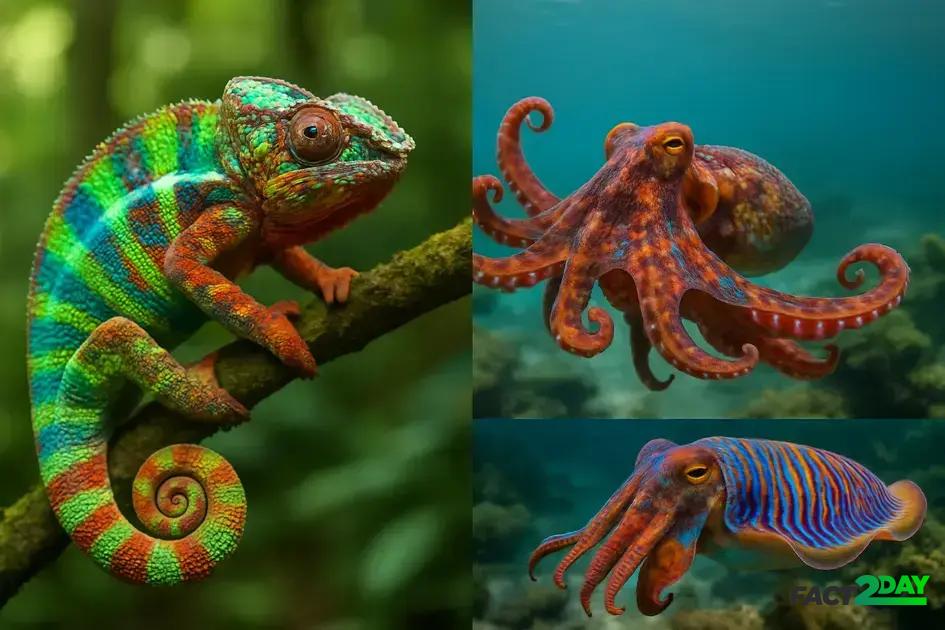
Animals that change color radically use specialized skin cells and hormonal signals to adapt for survival, communication, and environmental response with rapid or gradual color transformations.
You may never have noticed, but animals that radically change color hide fascinating stories behind their transformations. Have you ever wondered how and why these creatures adapt their colors so drastically? Let’s explore this magical and nuanced world together.
How and why some animals radically change color
Many animals have the amazing ability to change their color radically. This change happens for several reasons, mainly for survival. For example, some animals change color to blend into their surroundings and avoid predators, a strategy known as camouflage. Others might shift their colors to attract mates or warn rivals of their strength and danger.
These color changes can happen quickly or gradually, depending on the species. Chameleons are famous for their rapid shifts, adjusting their skin color to temperature, mood, and communication. Certain fish, like flounders, can alter their colors to match the ocean floor patterns. Meanwhile, cephalopods such as octopuses use specialized cells called chromatophores to create complex color patterns that confuse predators or lure prey.
Environmental factors like light, temperature, and habitat play important roles in triggering these changes. For example, some reptiles darken their skin to absorb more heat, while others lighten to avoid overheating. This dynamic color adjustment is a sophisticated adaptation that helps animals survive in constantly changing environments.
the surprising mechanisms behind animal metamorphosis
Animal metamorphosis and color change rely on remarkable biological mechanisms. One key element is specialized skin cells called chromatophores, found in creatures like octopuses, cuttlefish, and chameleons. These cells contain pigments that expand or contract, altering the visible color instantly.
In addition to chromatophores, some animals have iridophores, which reflect light to produce shiny or iridescent effects. This combination creates dynamic patterns and vivid color changes. The nervous system plays a critical role, sending signals to these cells to react to environmental cues, emotions, or threats.
Hormones and genetics also influence these changes. For example, changes in hormone levels during development trigger transformations, like caterpillars turning into butterflies. Some amphibians and reptiles adjust pigmentation through hormone fluctuations to adapt to seasonal changes.
These complex systems demonstrate how animals control their appearance with precision. Studying these mechanisms helps scientists understand evolution and develop technologies inspired by nature’s adaptive designs.
the importance of color change for survival and communication
Color change is a powerful tool for animal survival and communication. Many species use it to avoid predators by blending into their surroundings. This camouflage helps them stay hidden in complex environments such as forests, reefs, or deserts.
Besides hiding, color changes signal important messages. Animals can warn predators they are poisonous or dangerous by displaying bright, contrasting colors. This warning coloration is vital for their safety and deters attacks.
Color shifts also play a key role in communication between animals of the same species. During mating seasons, animals may change colors to attract partners or show dominance. For example, male cuttlefish use vibrant color displays to compete for females, while some frogs change colors to signal readiness to mate.
This ability can also help regulate body temperature. Darker colors absorb heat, warming the animal, while lighter colors reflect sunlight to keep cool in hot climates. Overall, color change supports survival by adapting to environmental challenges and social needs.
Understanding the power of color change in animals
The ability of animals to change color plays a crucial role in their survival and communication. This fascinating adaptation helps them hide from predators, attract mates, and warn others about danger.
By adjusting their colors, animals can respond quickly to their environment and social signals, increasing their chances of thriving in the wild. Learning about these mechanisms shows us the incredible ways nature works to protect and sustain life.
Appreciating these masters of metamorphosis encourages us to value biodiversity and the complex beauty of the animal kingdom.