The Perfect Illusion: Animals That Mimic Plants and Objects in Unbelievable Ways
Animais que imitam plantas/objetos revelam truques incríveis da natureza, surpreendendo pela camuflagem perfeita e astúcia visual.
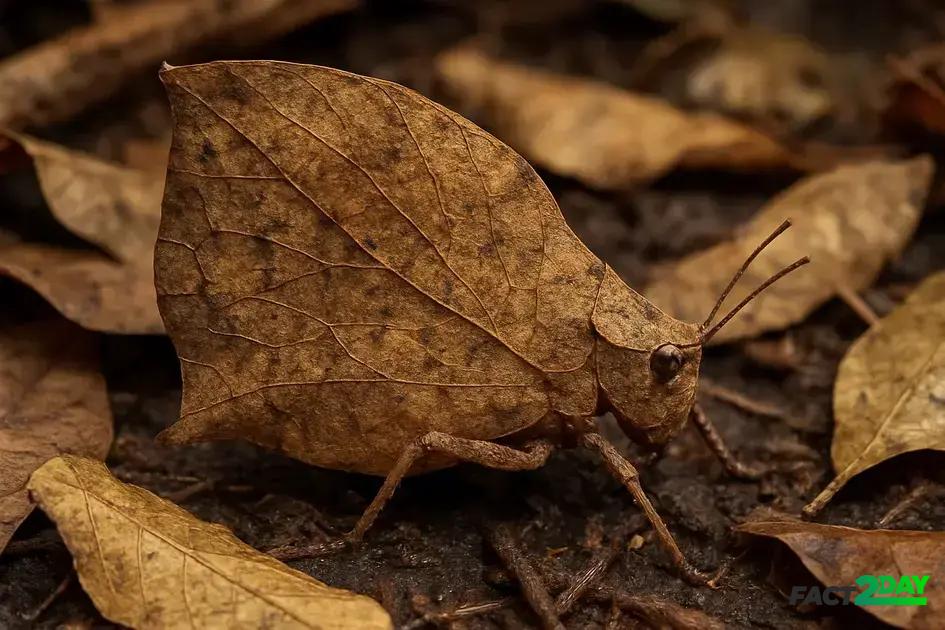
Animals that imitate plants and objects use camouflage to blend into their environment, enhancing survival by avoiding predators and improving hunting success through precise visual mimicry.
Have you ever wondered how some creatures manage to hide so well in their environment? Animals that imitate plants/objects create illusions so perfect that they defy our perception. Let’s explore this fascinating game of nature together and discover these incredible creatures.
How camouflage helps animals survive
Camouflage is one of nature’s most fascinating survival strategies. By blending into their environment, animals can avoid predators and increase their chances of catching prey. This adaptation involves colors, patterns, and shapes that mimic plants, rocks, or other objects around them.
The role of camouflage in protection
Animals that imitate plants or objects use their appearance to become nearly invisible. For example, stick insects look like twigs, while leafy sea dragons resemble floating seaweed. This helps them to escape detection by predators seeking food.
Camouflage as a hunting advantage
Some animals use camouflage not just for defense but also to sneak up on their prey. By blending into the background, they can get closer without alarming the target. This increases their hunting success and energy efficiency.
Adaptation and evolution
Over time, natural selection favors animals whose camouflage is the most convincing. This leads to amazing diversity in shapes and colors among species that rely on this skill. Camouflage is a powerful example of how species evolve to survive in their habitats.
impressive examples of animals that mimic plants
Several animals showcase amazing mimicry by imitating plants to survive. The leaf-tailed gecko, for instance, has a body shaped and colored like a dead leaf, making it nearly invisible on the forest floor. Its jagged edges and rough texture complete the illusion perfectly.
The orchid mantis
This insect looks just like a delicate orchid flower. Its pink and white body parts mimic the petals, allowing it to hide from predators and lure unsuspecting prey.
Stick insects
Stick insects have long, thin bodies that resemble twigs or branches. They often sway gently to imitate the movement of real plants in the breeze, adding another layer to their disguise.
Seaweed and leafy sea dragons
Leafy sea dragons resemble floating seaweed or kelp with their leaf-like appendages. This helps them blend into underwater plant environments, where they avoid predators and catch food.
the impact of this imitation on the relationship between predators and prey
Imitation by animals that mimic plants or objects has a profound effect on the balance between predators and prey. This natural disguise often protects prey from being spotted, which helps maintain their population and supports ecosystem stability.
Predator challenges
Predators face difficulties when prey blends seamlessly into their surroundings. This forces predators to develop sharper senses and alternative hunting methods, increasing the complexity of the food chain.
Prey advantages
Mimicry enhances the chances of survival for prey animals by reducing detection. It allows them to feed, reproduce, and raise offspring with less risk of being caught.
Impact on ecosystem dynamics
The ongoing struggle between predators and prey drives evolution. Animals constantly adapt to improve their camouflage or hunting tactics, leading to diverse species and rich biodiversity.
Understanding the Power of Animal Mimicry
Animals that imitate plants and objects use camouflage to survive and thrive in their habitats. This clever disguise affects how predators and prey interact, shaping the natural world around us.
By learning about these amazing adaptations, we gain a deeper appreciation for nature’s creativity and the ongoing balance between species. Such knowledge inspires us to protect these unique creatures and their environments.