Nature’s Engineers: Animals That Grow Food and Make Tools
Animais que "criam" agricultura/ferramentas surpreendem com suas estratégias únicas de cultivo e fabricação na natureza selvagem.
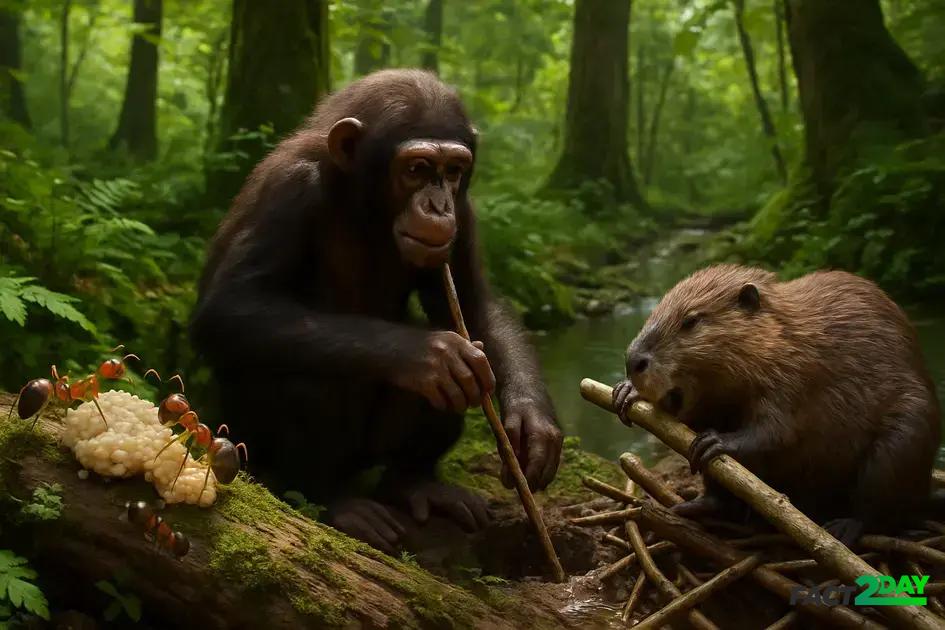
Animals that cultivate food and craft tools actively modify their environments, using advanced behaviors like fungus farming and tool-making to secure resources and shape ecosystems.
Animals that “create” agriculture/tools reveal a secret world where animal life intermingles with farming practices and surprising inventions. Ever wondered how some species domesticate their environment? Come meet these natural engineers.
Animals that grow their own food
Some animals have developed fascinating ways to cultivate their own food, showing remarkable intelligence and adaptation to their environments. One well-known example is the leafcutter ant, which cultivates fungus as a primary food source. These ants collect leaves and bring them to their nests, where they carefully tend to fungus gardens, ensuring optimal conditions for growth.
Another example is the ambrosia beetle, which farms fungus inside wooden tunnels it bores into trees. This relationship benefits both the beetle and the fungus, providing the beetle with nutrition. These behaviors demonstrate an early form of agriculture, driven by survival needs and complex social cooperation.
Such natural farming shows how animals alter their environment intentionally to improve food supplies. This ability is rare but significant, as it highlights the connection between animal behavior and ecosystem balance. By cultivating their own food, these species reduce competition and create a sustainable source of nutrition.
natural tools created by animals
Many animals have developed the ability to create and use natural tools, revealing impressive problem-solving skills and adaptability. One famous example is the chimpanzee, known for using sticks to extract termites from mounds or to crack nuts. This behavior shows how animals can manipulate objects to access food.
Sea otters use rocks as tools to break open shellfish on their bellies while floating in the water. This method allows them to eat prey that would otherwise be inaccessible. Similarly, some bird species, like the New Caledonian crow, craft sticks into hooks to fish insects out of tree bark.
These natural tools vary greatly depending on the species and their environment. The creation and use of tools demonstrate cognitive abilities and cultural transmission, as young animals often learn by observing adults. Such innovations have a strong impact on survival and reproduction.
ecological impact of these nature’s engineers
Animals that cultivate food and craft tools play a crucial role in their ecosystems. Their activities often modify habitats, influencing other species and contributing to ecological balance. For example, leafcutter ants improve soil quality through their fungus farming, which promotes nutrient cycling and plant growth.
Beavers are well-known ecosystem engineers, building dams that create wetlands. These wetlands provide habitat for many species, regulate water flow, and filter pollutants. Such environmental changes help maintain biodiversity and improve ecosystem resilience.
Moreover, the use of tools and cultivation practices by animals can affect food chains and competition between species. By creating new resources or altering existing ones, these animals transform their surroundings in ways that benefit multiple organisms. Understanding these impacts helps us appreciate the complexity and interdependence within natural systems.
Understanding the role of nature’s engineers
Animals that create agriculture and tools show us how intelligence and adaptation can shape ecosystems in surprising ways. Their behaviors help maintain balance and support other forms of life.
By studying these species, we learn about the importance of cooperation and environmental impact in the wild. These natural engineers remind us of the complex connections in nature and inspire us to appreciate the world around us more deeply.