Lessons from the Past: How Ancient Cultures Practiced Sustainable Living and Environmental Harmony
Explore Ancient Wisdom Environmentalism and discover how age-old practices inspire today's sustainable living and harmony with nature.
Exoplanets are planets orbiting stars beyond our solar system, discovered through methods like monitoring starlight dimming during transits, revealing the vastness and mystery of our galaxy.
Ancient Wisdom Environmentalism invites us to look back at how ancient cultures lived in harmony with their surroundings. Have you ever wondered what lessons their sustainable practices could teach us in today’s world? Let’s explore these timeless traditions together.
Understanding ancient wisdom and its environmental roots
Ancient wisdom forms the foundation of many environmental practices that emphasize living in balance with nature. These early understandings were not written down extensively but were passed through generations orally, embedding respect for the earth and its resources. At their core, ancient environmental roots reflect a deep awareness of ecosystems and the interconnectedness of all living things.
Key Elements of Ancient Environmental Wisdom
Many ancient cultures observed natural cycles carefully—seasons, animal behaviors, and plant growth—to guide their farming and harvesting. This knowledge led to sustainable resource use that preserved biodiversity and soil fertility over time.
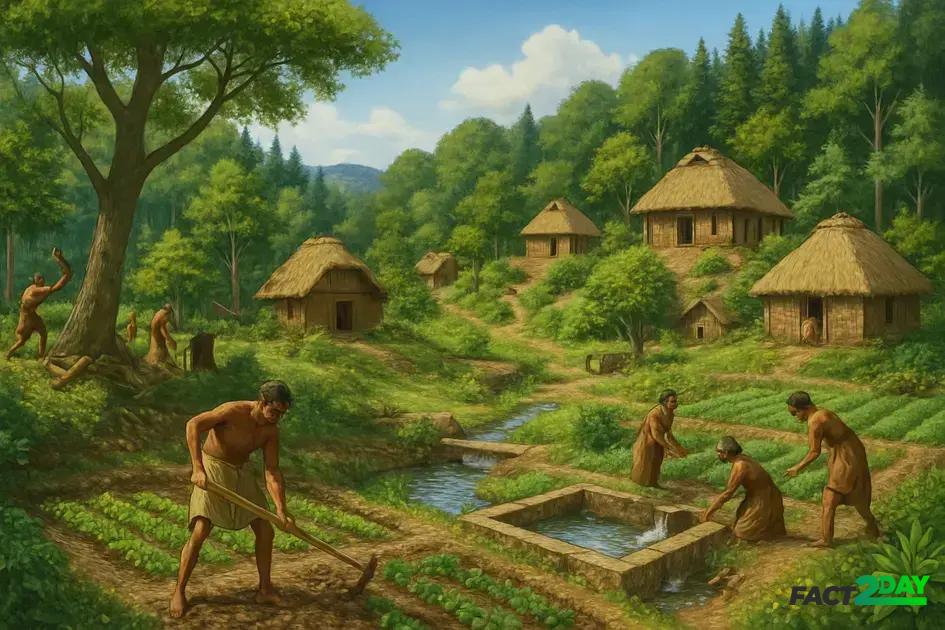
For example, indigenous peoples often practiced crop rotation and agroforestry, blending trees and crops to enrich the soil and support wildlife. Water conservation techniques like building terraces and canals helped communities adapt to their environment without depleting resources.
Respect for natural limits was a common principle, encouraging communities to take only what was needed and allow ecosystems to regenerate. This contrasted sharply with later industrial approaches that often prioritized short-term gains.
Many ancient beliefs also connected environmental stewardship with spiritual and social values, reinforcing behaviors that protected nature through rituals and community enforcement.
Understanding these roots reveals how environmental wisdom is deeply cultural, combining observation, tradition, and reverence. Today, these principles inspire sustainable living by showing that harmony with nature is both practical and essential for long-term survival.
How indigenous cultures cultivated sustainability
Indigenous cultures across the world developed sustainable practices deeply tied to their environment, ensuring resources lasted for generations. They used knowledge passed down through generations to live in harmony with nature, adopting methods that balanced consumption and preservation.
Community-based resource management
Many indigenous groups managed forests, rivers, and wildlife through shared governance. This collective approach prevented overuse and encouraged responsible harvesting. For example, controlled burns were used to clear underbrush and promote new growth, a practice that also reduced the risk of massive wildfires.
Traditional farming and crop diversity
Techniques like polyculture farming, where multiple types of crops grow together, helped maintain soil health and reduce pests naturally. Indigenous farmers often rotated crops and used organic fertilizers, which preserved the land’s fertility over time.
Respect for seasons and cycles
Indigenous peoples closely followed natural cycles, harvesting plants and hunting animals only during specific times to allow populations to recover. This seasonal awareness was key to maintaining ecosystem balance and avoiding depletion.
These time-tested methods reveal how indigenous cultures valued long-term sustainability over immediate gain, offering important lessons for modern environmentalism.
The role of spirituality in ancient environmentalism
Spirituality played a central role in ancient environmentalism by linking people’s beliefs with how they treated the natural world. Many ancient cultures saw nature as sacred and believed that spirits lived in animals, plants, rivers, and mountains. This view encouraged respect and care for all living things.
Rituals and ceremonies
Communities performed rituals to honor nature’s forces and ask for permission to harvest resources. These ceremonies fostered a sense of gratitude and responsibility, creating a bond between humans and the environment.
The concept of stewardship
Spiritual teachings often emphasized the role of humans as stewards rather than owners of the earth. This meant protecting land and species for future generations, promoting sustainable practices rooted in moral values.
By intertwining spirituality with environmental actions, ancient societies developed a worldview that valued harmony and balance with nature, which continues to inspire modern sustainability efforts.
Traditional agricultural techniques still relevant today
Many traditional agricultural techniques developed by ancient cultures remain relevant today due to their sustainable and environmentally friendly nature. These methods focus on working with natural systems rather than against them, preserving soil health and biodiversity.
Crop rotation and intercropping
Rotating crops helps prevent soil depletion and reduces pest buildup. Intercropping, or growing different crops together, enhances soil fertility and protects plants naturally from pests, reducing the need for chemical inputs.
Use of organic fertilizers
Ancient farmers used compost, manure, and other natural materials to enrich soil nutrients. This practice improves soil structure and water retention, supporting healthy plant growth without harmful chemicals.
Water conservation techniques
Techniques like terracing and rainwater harvesting manage water efficiently, reducing erosion and ensuring crops get adequate moisture even in dry periods. These methods mirror many modern sustainable farming practices.
Traditional farming practices offer valuable lessons for modern agriculture by promoting long-term productivity and environmental care.
Ancient water management and conservation practices
Ancient civilizations developed advanced water management and conservation practices that allowed them to thrive in varied and often harsh environments. These techniques maximized water use efficiency and safeguarded resources for communities and ecosystems.
Innovative irrigation systems
Many ancient cultures built canals, aqueducts, and terraced fields to channel water from rivers and rainfall to farmlands. These irrigation methods minimized water loss and made cultivation possible in arid regions.
Rainwater harvesting
Collecting and storing rainwater was common. Reservoirs, cisterns, and stone basins captured runoff, providing water during dry seasons. This practice supported agriculture and daily life without depleting natural water sources.
Water recycling and reuse
In some societies, water was reused for multiple purposes, such as irrigation and sanitation, demonstrating an early understanding of sustainable water cycles.
Overall, ancient water management proved effective because it was adapted to local climates and prioritized long-term resource availability, offering important lessons for modern conservation efforts.
Forest stewardship by early civilizations
Early civilizations practiced forest stewardship by managing woodlands to provide resources while maintaining ecosystem health. They understood the importance of forests for clean air, water, and biodiversity, and developed customs to protect these vital areas.
Sustainable harvesting
Communities harvested wood, fruits, and medicinal plants carefully, taking only what was needed. This selective use allowed forest resources to regenerate naturally over time.
Protection of sacred groves
Many cultures set aside specific forest areas as sacred spaces, where cutting trees and hunting were forbidden. These groves acted as natural reserves preserving rare plants and animals.
Controlled burns and forest maintenance
Some societies used controlled fire to clear underbrush, reduce pests, and encourage new growth. This technique helped prevent large wildfires and improved the forest’s overall health.
Forest stewardship by early civilizations demonstrates how managing nature respectfully and wisely can sustain ecosystems and human needs simultaneously.
Using natural resources without depletion
Ancient cultures developed methods to use natural resources carefully, ensuring they did not deplete them over time. This approach focused on balance and respect for the environment, allowing resources to renew naturally.
Rotational harvesting
Many societies practiced rotational resource use, such as moving harvesting sites or fishing areas regularly. This gave ecosystems time to recover and prevented exhaustion of plants, animals, and materials.
Limitations on consumption
Communities often set strict rules on how much and when resources could be taken. These regulations were shared through traditions and enforced socially, reducing overuse.
Use of renewable materials
Preference was given to materials that could regrow or be replenished quickly, like bamboo, reeds, or certain types of wood. This minimized lasting damage and supported ongoing availability.
By using natural resources wisely and respecting their limits, ancient peoples maintained ecological stability and laid groundwork for sustainable living.
Lessons from ancient urban planning and eco-design
Ancient urban planning and eco-design were thoughtfully created to fit local environments, enabling communities to thrive sustainably. Cities were often built with nature in mind, balancing human needs with ecological considerations.
Integration with natural landscapes
Many ancient cities were designed around natural features like rivers, hills, and forests. This helped in managing water flow and preserving green spaces, which reduced heat and supported biodiversity.
Efficient waste and water management
Innovative sewer systems and rainwater collection allowed ancient urban centers to maintain sanitation and conserve water effectively, lowering health risks and resource waste.
Orientation and building materials
Structures were oriented to maximize natural light and ventilation, reducing the need for artificial heating or cooling. Local, renewable materials like stone, clay, and wood were preferred for construction.
These ancient planning principles inspire modern eco-friendly design by demonstrating how urban life can coexist harmoniously with the environment.
The impact of ancient festivals and rituals on ecological awareness
Ancient festivals and rituals often had a strong connection to the natural world, promoting ecological awareness within communities. These events underscored the importance of seasons, cycles, and resources in daily life.
Seasonal celebrations
Many festivals marked key times in the agricultural calendar, such as planting and harvest seasons. These occasions included ceremonies that honored the earth, rain, sun, and fertility, reinforcing respect for nature’s rhythms.
Rituals for resource renewal
Communities performed rituals to ensure the renewal and balance of natural resources. For example, some cultures held tree-planting ceremonies or animal protection rites, teaching the value of regeneration and conservation.
Collective responsibility through tradition
These shared experiences fostered a communal sense of responsibility for the environment, connecting spiritual beliefs with practical care for ecosystems.
By linking ecological cycles with cultural practices, ancient festivals helped maintain environmental balance and inspired sustainable attitudes.
How oral traditions preserved environmental knowledge
Oral traditions played a crucial role in preserving environmental knowledge among ancient cultures. Passed down through stories, songs, and teachings, this wisdom guided communities in living sustainably and respecting nature.
Storytelling as education
Many environmental lessons were embedded in myths and legends. These stories taught important concepts like animal behavior, seasonal changes, and the value of natural resources in a way that was easy to remember and share.
Community roles and rituals
Ceremonies and rituals reinforced environmental wisdom by connecting people emotionally and spiritually to the land. Elders and storytellers ensured that each generation understood how to care for their environment.
This oral transmission helped maintain a continuous relationship between humans and nature, fostering respect and practical knowledge crucial to sustainable living.
The connection between ancient medicine and ecosystem health
Ancient medicine was deeply connected to the health of ecosystems. Many traditional healing practices relied on plants, minerals, and natural elements found in the environment. This connection reinforced the importance of preserving biodiversity.
Use of medicinal plants
Healers carefully harvested plants with knowledge of their growth cycles to avoid harming populations. They understood the roles different species played in the ecosystem’s balance.
Holistic health approaches
Ancient medicine often viewed human health as linked to the environment’s wellbeing. Practices included maintaining clean water, healthy soil, and diverse flora, recognizing these as essential to overall health.
This ancient wisdom highlights how protecting ecosystems supports not only nature but also human healing and wellbeing.
Applying ancient principles to modern sustainability challenges
Applying ancient principles to modern sustainability challenges offers valuable insights for today’s environmental efforts. These principles emphasize balance, respect, and long-term thinking, which are essential in addressing current ecological issues.
Adaptation to local environments
Ancient cultures designed solutions tailored to their local climates and ecosystems. Modern sustainability benefits from this approach by promoting regional strategies that consider unique environmental and cultural contexts.
Circular use of resources
The idea of using resources in a cycle—where waste becomes input—was common in ancient times. Incorporating this into modern practices encourages reducing waste and enhancing resource efficiency.
Community involvement and knowledge sharing
Traditional societies relied on collective stewardship and oral transmission of environmental knowledge. Today, engaging communities and respecting indigenous wisdom can foster stronger environmental stewardship.
By blending ancient wisdom with modern technology, societies can develop more resilient and sustainable solutions to environmental challenges.
Reviving ancient practices for future generations
Reviving ancient practices is essential for building a sustainable future. These time-tested methods provide guidance on how to live in harmony with the environment while respecting natural limits.
Preserving traditional knowledge
Communities are working to document and teach ancestral skills, from farming and water management to craftsmanship. This helps keep valuable wisdom alive for future generations.
Integrating technology with tradition
Modern technologies can enhance ancient practices by improving efficiency without losing their ecological benefits. Combining old and new methods offers promising solutions for environmental challenges.
Encouraging community participation
Revival efforts often involve local communities actively practicing sustainable lifestyles, fostering a strong connection with nature and shared responsibility.
By embracing ancient practices, society can protect ecosystems and cultural heritage while paving the way for resilient environments and healthier futures.
Embracing ancient wisdom for a sustainable future
By looking back at how ancient cultures lived in harmony with nature, we can learn valuable lessons about sustainability and environmental care. Their respect for natural cycles, community stewardship, and balance with ecosystems offers practical guidance for today.
Reviving and adapting these time-tested practices can help us face modern challenges and build healthier, more resilient communities. Combining ancient wisdom with modern innovation creates a path toward a sustainable future for generations to come.